SPR Sample Preparation Mastery: A Practical Guide to High-Quality Data for Biotherapeutics
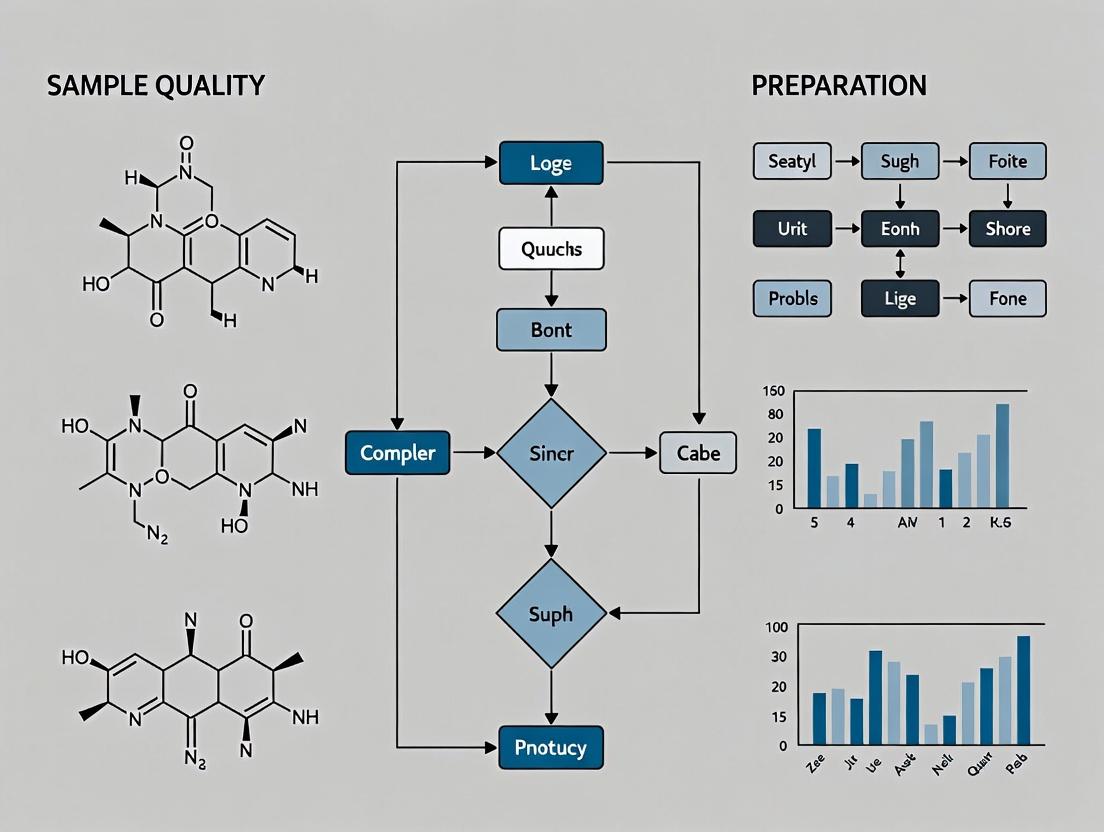
This comprehensive guide details the critical role of sample quality in Surface Plasmon Resonance (SPR) analysis, a cornerstone technology in drug discovery and life science research.
SPR Sample Preparation Mastery: A Practical Guide to High-Quality Data for Biotherapeutics
Abstract
This comprehensive guide details the critical role of sample quality in Surface Plasmon Resonance (SPR) analysis, a cornerstone technology in drug discovery and life science research. It addresses four core needs: establishing the foundational principles of SPR sample requirements, providing step-by-step methodological protocols for diverse analytes, offering troubleshooting frameworks for common data artifacts, and guiding validation strategies to ensure robust, publication-ready results. Aimed at researchers and development professionals, this article synthesizes current best practices to maximize data reliability and accelerate project timelines.
The Pillars of SPR Success: Why Sample Integrity is Non-Negotiable
Technical Support Center
Troubleshooting Guides & FAQs
Issue Category 1: Poor Binding Signal (Low Response Units - RUs)
- Q: My analyte yields a very low binding response despite high concentrations. What are the primary sample-related causes?
- A: Low RUs are frequently linked to compromised sample integrity or activity. The primary causes are:
- Protein Aggregation/Precipitation: Aggregated analyte has reduced functional monomers available for binding. Check for haziness or particles in the sample vial.
- Protein Degradation: Proteolysis or denaturation destroys binding sites. Always include fresh protease inhibitors and work with cold, stable buffers.
- Incorrect Concentration: Inaccurate determination via A280 (e.g., due to buffer contaminants) leads to overestimation of active concentration. Verify concentration with multiple methods.
- Immobilization Issues (for ligand): Low ligand activity on the chip surface (due to poor coupling chemistry or denaturation during immobilization) directly limits analyte binding capacity.
- A: Low RUs are frequently linked to compromised sample integrity or activity. The primary causes are:
- Q: How can I systematically diagnose a low signal problem?
- A: Follow this diagnostic protocol:
- Validate Analyte Integrity: Run SDS-PAGE (non-reduced and reduced) and size-exclusion chromatography (SEC) to check for purity, aggregation, and fragmentation.
- Verify Concentration: Use an orthogonal method (e.g., quantitative amino acid analysis, active site titration) to confirm A280 readings.
- Check System & Surface:
- Perform a standard binding test with a known system (e.g., IgG/anti-IgG).
- Regenerate and re-baseline the ligand surface.
- Ensure no air bubbles were injected.
- Optimize Sample Buffer: Match the running buffer exactly for pH, ionic strength, and co-solvents to prevent bulk shift artifacts and maintain protein stability.
- A: Follow this diagnostic protocol:
Issue Category 2: Non-Ideal Binding Kinetics (Poor Fits)
- Q: My sensorgrams show unusual curvature, drifting baselines, or poor fits to a 1:1 model. What sample issues could cause this?
- A: Non-ideal kinetics often stem from sample heterogeneity or surface artifacts.
- Sample Heterogeneity: A mixture of active and inactive (or differentially active) analyte populations leads to complex, multi-phasic binding. SEC-MALS (Multi-Angle Light Scattering) is crucial to confirm monodispersity.
- Non-Specific Binding (NSB): Analyte sticks to the dextran matrix or reference surface, causing a rising baseline. Increase ionic strength (e.g., add 150 mM NaCl), include a non-ionic detergent (e.g., 0.005% P20), or add a blocking agent (e.g., BSA, if compatible).
- Mass Transport Limitation (MTL): Binding is faster than analyte diffusion to the surface, distorting kinetics. Agitate samples, increase flow rate (e.g., 30-50 µL/min), or use a lower ligand density.
- Analyte Rebinding: Dissociated analyte re-binds to nearby free ligand sites, artificially slowing the observed dissociation rate (kd). Further reduce ligand density.
- A: Non-ideal kinetics often stem from sample heterogeneity or surface artifacts.
- Q: What is the step-by-step protocol to assess and mitigate mass transport limitation?
- A:
- Test for MTL: Inject analyte at multiple high flow rates (e.g., 10, 30, 50 µL/min). If the observed binding rate (k_obs) increases with flow rate, MTL is present.
- Reduce Ligand Density: Aim for an Rmax (theoretical) of <100 RU for kinetics studies. This minimizes analyte consumption near the surface.
- Optimize Flow Rate: Perform all kinetic experiments at the highest practical flow rate (minimizes diffusion layer thickness).
- Use a Stirred Sample Cup: If available, use sample agitation to ensure homogeneous analyte concentration.
- A:
Issue Category 3: High Variability & Poor Reproducibility
- Q: My replicate injections show significant variation in RUs or kinetic constants. How does sample handling contribute?
- A: Inconsistent sample preparation is a major culprit.
- Inconsistent Thawing: Repeated freeze-thaw cycles degrade proteins. Always aliquot samples into single-use volumes.
- Adsorption Losses: Protein adsorbs to vial walls, especially at low concentrations. Use low-protein-binding tubes and include a carrier protein (e.g., 0.1 mg/mL BSA) if scientifically justified.
- Buffer Degradation: Running buffer pH or composition drifts over time. Prepare fresh buffer daily, degas thoroughly, and use it for both dilution and system priming.
- Pipetting Errors: Use calibrated pipettes and consider gravimetric preparation for critical serial dilutions.
- A: Inconsistent sample preparation is a major culprit.
Quantitative Impact of Sample Quality
Table 1: Impact of Common Sample Issues on SPR Data
| Sample Issue | Primary Effect on Sensorgram | Impact on Reported ka (1/Ms) | Impact on Reported kd (1/s) | Impact on KD (M) |
|---|---|---|---|---|
| Aggregation (>10%) | Reduced max RU, slow complex kinetics | Artificially decreased | Artificially decreased | Unreliable, often overestimated |
| Proteolytic Clipping | Low RU, fast abnormal dissociation | Unreliable | Artificially increased | Severely underestimated |
| High NSB | Elevated baseline, slow dissociation | Unreliable | Artificially decreased | Overestimated |
| Significant MTL | Overly steep association, slow dissociation | Artificially decreased | Artificially decreased | May appear accurate but kinetics are wrong |
| Carrier Protein | Increased bulk shift, potential for indirect binding | Minor effect if reference subtracted correctly | Minor effect | Minor effect |
Essential Experimental Protocols
Protocol 1: Pre-SPR Sample Quality Control (Mandatory)
- Objective: Verify analyte monodispersity, purity, and accurate concentration.
- Materials: See "Scientist's Toolkit" below.
- Method:
- SEC-MALS Analysis:
- Equilibrate an appropriate size-exclusion column (e.g., Superdex 200 Increase) with SPR running buffer (filtered, degassed).
- Inject 50-100 µL of analyte sample (≥ 0.5 mg/mL).
- Monitor UV (280 nm), light scattering (LS), and refractive index (RI).
- Analysis: The molar mass from MALS should match the expected monomeric mass. The UV peak should be symmetric and coincident with LS and RI signals.
- Orthogonal Concentration Verification:
- Perform quantitative amino acid analysis (AAA) or use a fluorometric assay (e.g., Qubit Protein Assay) on a separate aliquot.
- Compare to the A280-derived concentration (using the theoretical extinction coefficient). Discrepancy >15% warrants investigation.
- SEC-MALS Analysis:
Protocol 2: Immobilization Optimization for Ligand Activity
- Objective: Achieve a stable, active, and appropriately dense ligand surface.
- Method (for amine coupling):
- Ligand Prep: Dialyze ligand into 10 mM sodium acetate, pH 4.0-5.5 (optimal pH is protein-specific). Centrifuge at 14,000 x g for 10 min before use.
- Surface Activation: Inject a 1:1 mixture of 0.4 M EDC and 0.1 M NHS for 420 seconds at 10 µL/min.
- Ligand Injection: Inject the ligand at a concentration of 10-50 µg/mL in the chosen acetate buffer for 300-600 seconds. Aim for a low density (e.g., 50 RU for kinetics).
- Quenching: Inject 1.0 M ethanolamine-HCl, pH 8.5, for 420 seconds.
- Activity Check: Perform a test injection of a known positive control analyte. A high binding response per RU of immobilized ligand confirms good activity.
The Scientist's Toolkit: Research Reagent Solutions
Table 2: Essential Materials for SPR Sample Preparation
| Item | Function & Importance |
|---|---|
| Low-Protein-Bind Microtubes (e.g., PCR tubes or Eppendorf LoBind) | Minimizes adsorptive losses of precious analyte, especially at low concentrations (< 1 µM). |
| Size-Exclusion Chromatography Column (e.g., Cytiva Superdex 200 Increase 3.2/300) | Gold-standard for assessing sample monodispersity and removing aggregates immediately before SPR injection. |
| SEC-Compatible Running Buffer (Filtered, 0.22 µm, Degassed) | Must be identical to SPR running buffer to avoid sample re-equilibration or aggregation upon injection. |
| Multi-Angle Light Scattering (MALS) Detector | Coupled with SEC, provides absolute molar mass to confirm monomeric state and detect oligomers/aggregates. |
| Degassing Station (or sonicator with vacuum) | Removes micro-bubbles from buffers which cause spikes and noise in the SPR flow system. |
| Protease Inhibitor Cocktail (e.g., EDTA-free) | Preserves protein integrity during handling and storage without interfering with metal-dependent interactions. |
| Surface Plasmon Resonance Chip (e.g., Series S CM5) | Gold sensor surface with a carboxymethylated dextran matrix for ligand immobilization via various chemistries. |
| Amine Coupling Reagents (EDC, NHS, Ethanolamine) | Standard chemistry for covalently immobilizing proteins via primary amines (lysines). |
| Regeneration Solution Scouting Kit | Contains buffers at various pH (glycine pH 1.5-3.0, NaOH) to identify conditions that remove bound analyte without damaging the ligand. |
Visualizations
Title: Sample Quality Control Decision Path for SPR
Title: Link Between Sample Issues and SPR Data Quality
Understanding the Sample Trinity
In Surface Plasmon Resonance (SPR) biosensing, the term 'sample' is often conflated with 'analyte.' However, a rigorous definition is critical for experimental reproducibility, especially within research on SPR sample quality and preparation. The injected 'sample' is a composite system defined by three core components:
- Ligand: The biomolecule immobilized on the sensor chip surface (e.g., a protein receptor, antibody, or DNA strand).
- Analyte: The molecule in solution whose binding to the ligand is measured (e.g., a drug compound, peptide, or antigen).
- Running Buffer: The solution carrying the analyte over the ligand surface. It is not merely a carrier; it defines the chemical environment for the interaction.
The quality and preparation of each component directly dictate data reliability, influencing specificity, binding kinetics (ka, kd), affinity (KD), and the magnitude of the response (RU).
Troubleshooting Guide & FAQs
FAQ 1: Why do I observe a high baseline drift or bulk shift during analyte injection? A: This is frequently a Running Buffer mismatch issue. A difference in composition (e.g., salt concentration, DMSO percentage, pH) between the analyte stock solution, the running buffer, and the analyte sample prepared for injection causes a change in refractive index unrelated to binding.
- Troubleshooting: Ensure the analyte is diluted into, and dialyzed/buffer-exchanged against, the exact same running buffer used for system equilibration. For small molecules in DMSO, match the final DMSO concentration precisely in both the running buffer and the analyte sample.
FAQ 2: My positive control analyte shows unexpectedly low binding response (RU). What could be wrong? A: This likely points to issues with the Ligand or Analyte integrity.
- Troubleshooting Checklist:
- Ligand Activity: Is the immobilized protein properly folded and active? Use a functional assay prior to immobilization.
- Analyte Stability: Has the analyte aggregated or degraded? Check via SEC-MALS or SDS-PAGE.
- Mass Transport Limitation: Is the binding rate artificially limited by analyte diffusion to the surface? Increase flow rate (e.g., from 30 µL/min to 100 µL/min) and see if the binding response increases.
- Immobilization Level: Is the ligand density too low? For small analytes, aim for higher ligand density (e.g., 5,000-10,000 RU for proteins). For large analytes, use lower density (e.g., 50-200 RU) to avoid avidity.
FAQ 3: I get nonspecific binding to the reference surface. How can I mitigate this? A: Nonspecific binding is an Analyte and Running Buffer formulation problem.
- Troubleshooting Protocol:
- Optimize Buffer: Add a non-ionic detergent (e.g., 0.005% Tween 20) to the running buffer.
- Include a Carrier Protein: Add 0.1-1 mg/mL BSA to block nonspecific interactions.
- Adjust Ionic Strength: Increase salt concentration (e.g., 150-500 mM NaCl) to shield electrostatic interactions.
- Use a CMSD Chip: Employ a carboxymethylated dextran chip pre-blocked with ethanolamine, then use the standard amine coupling kit reagents for immobilization.
FAQ 4: My kinetic data is noisy or fitting is poor, even with a good sensogram shape. A: This often stems from impurities or particulates in the Analyte sample or Running Buffer.
- Troubleshooting:
- Centrifuge: Always centrifuge analyte samples at >14,000 x g for 10 minutes before injection to remove aggregates and particulates.
- Filter: Use 0.22 µm filters on all running buffer solutions.
- Degas: Ensure buffers are properly degassed to prevent air bubble formation in the microfluidics.
Table 1: Common Sample-Related Artifacts and Their Primary Causes
| Observed Artifact | Primary Faulty Component | Typical Root Cause | Corrective Action |
|---|---|---|---|
| High Bulk Shift/Solvent Effect | Running Buffer | DMSO or salt mismatch between sample & running buffer | Precise buffer matching & dialysis |
| Low Binding Response | Ligand or Analyte | Ligand denaturation, analyte aggregation, low ligand density | Check activity/aggregation; optimize immobilization level |
| High Nonspecific Binding | Analyte & Running Buffer | Hydrophobic/electrostatic interactions with chip matrix | Add detergent (Tween-20), BSA, or increase salt |
| Poor Data (Noise, Drift) | Running Buffer & Analyte | Particulates, air bubbles, impurities | Centrifuge & filter samples; degas buffers |
| Inconsistent Replicates | All Components | Sample degradation over run time | Use fresh aliquots; include stability controls |
Key Experimental Protocols
Protocol 1: Analyte Sample Preparation for Kinetic Analysis Objective: To prepare an analyte sample free of artifacts from buffer mismatch or particulates.
- Buffer Matching: Prepare the final running buffer. Dialyze or perform buffer exchange of the analyte stock into this exact running buffer using a desalting column (e.g., Zeba Spin Desalting Columns, 7K MWCO).
- Dilution Series: Prepare a 2-fold serial dilution series of the analyte (typically 5-8 concentrations spanning 0.1x to 10x of the expected KD) using the running buffer as diluent.
- Clearing: Centrifuge each dilution at 14,000 x g for 10 minutes at 4°C to pellet aggregates.
- Storage: Transfer the top 80% of supernatant to fresh, low-protein-binding tubes for immediate use.
Protocol 2: Ligand Immobilization & Surface Validation Objective: To immobilize an active ligand at an appropriate density and validate binding functionality.
- Chip Activation: Dock a CMS sensor chip. Inject a 1:1 mixture of 0.4 M EDC and 0.1 M NHS for 7 minutes (flow rate: 10 µL/min).
- Ligand Injection: Dilute ligand in 10 mM sodium acetate buffer (pH optimized 0.5-1 unit below ligand pI). Inject until target density is reached (~50-200 RU for large analytes; ~5000-10000 RU for small molecules).
- Blocking: Inject 1 M ethanolamine-HCl (pH 8.5) for 7 minutes to deactivate remaining esters.
- Surface Validation: Inject a known, high-affinity positive control analyte at a single concentration. A rapid, stable binding response confirms ligand activity.
Visualizations
SPR Sample Composition & Interaction
Title: SPR Sample Interaction Workflow
Troubleshooting Decision Tree
Title: SPR Sample Issue Diagnosis Path
The Scientist's Toolkit: Key Research Reagent Solutions
Table 2: Essential Materials for SPR Sample Preparation & Analysis
| Item | Function | Critical for Component |
|---|---|---|
| Zeba Spin Desalting Columns | Rapid buffer exchange of analyte into exact running buffer. | Analyte, Running Buffer |
| Amine Coupling Kit (EDC, NHS, Ethanolamine) | Standard chemistry for covalent immobilization of ligands via primary amines. | Ligand |
| CMS Series Sensor Chips | Carboxymethylated dextran matrix for ligand immobilization. | Ligand |
| Low-Protein-Binding Tubes (e.g., LoBind) | Minimizes loss of analyte/ligand via surface adsorption. | Analyte, Ligand |
| 0.22 µm PVDF Syringe Filters | Removes particulates from running buffers to prevent microfluidic clogging. | Running Buffer |
| Buffer Additives: Tween-20, BSA | Reduces nonspecific binding in running buffer. | Running Buffer |
| DMSO (Molecular Biology Grade) | Consistent solvent for small molecule analyte stocks. | Analyte, Running Buffer |
| Portable Degasser | Removes dissolved air from running buffers to prevent bubbles and noise. | Running Buffer |
Welcome to the SPR Technical Support Center. This resource is built upon foundational research for a thesis on SPR sample quality and preparation, aiming to help you identify and troubleshoot common data sabotage issues.
Troubleshooting Guides & FAQs
Q1: My SPR sensogram shows a rapid "on" rate and an abnormally fast, concentration-independent "off" rate, suggesting low-affinity binding, but my ITC data indicates high affinity. What's wrong? A: This classic discrepancy often points to protein aggregation. Aggregates can multivalently bind to the sensor surface, appearing as high avidity in ITC, but the monovalent interaction measured by SPR dissociates rapidly as aggregates fall apart or dissociate unevenly. Buffer components can also induce non-specific aggregation on the dextran matrix.
- Troubleshooting Protocol:
- Analyze Sample Purity: Run SDS-PAGE and native-PAGE to check for oligomeric states.
- Check for Aggregates: Use dynamic light scattering (DLS) or size-exclusion chromatography coupled with multi-angle light scattering (SEC-MALS). A polydispersity index (PDI) >0.2 in DLS indicates a heterogeneous, possibly aggregated sample.
- Filter & Centrifuge: Immediately before injection, pass your sample through a 0.22 µm filter and centrifuge at >14,000g for 10 minutes.
- Include Surfactant: In your running buffer, add 0.005% v/v surfactant P20 (or similar). For problematic samples, test buffers with CHAPS (0.1-0.5%) or Tween-20 (0.01-0.05%).
Q2: I get significant bulk shift and unstable baselines when injecting my analyte, even at low concentrations. A: This is typically caused by a buffer mismatch between your sample and the running buffer. Differences in salt concentration, pH, or dielectric constant (e.g., from DMSO) create a refractive index shift that masks the binding signal.
- Troubleshooting Protocol:
- Perfect Buffer Matching: Dialyze your analyte extensively against a large volume of running buffer. Use slide-A-lyzer cassettes or repeated buffer exchange using centrifugal concentrators.
- Include Reference Subtractions: Always use a reference flow cell with a non-interacting surface. For small molecules in DMSO, include a series of DMSO calibration injections (e.g., 1-5% v/v) to create a standard curve for solvent correction.
- Prepare Samples in Running Buffer: After dialysis, dilute the stock analyte into fresh running buffer for the injection series.
Q3: My positive control ligand shows reduced binding capacity over multiple cycles, and baseline drifts upward. A: This is often due to carryover or non-specific binding (NSB) of impurities to the sensor chip. Sample contaminants like lipids, nucleic acids, or sticky proteins accumulate on the surface.
- Troubleshooting Protocol:
- Implement Robust Regeneration: Scout multiple regeneration conditions (see table below). Inject for longer periods (60-120 sec).
- Use a Cleaning Plug: Between analyte injections, include a short injection (e.g., 30 sec) of a mild regeneration solution or a solution with high ionic strength (e.g., 1-2 M NaCl) to remove loosely bound material.
- Enhance Sample Purity: Use affinity chromatography with a cleavage step to remove tags, followed by polishing SEC. For membrane proteins, ensure proper detergent screening.
Q4: The calculated stoichiometry of binding from my SPR data is implausibly high (>2:1 analyte:ligand). A: This strongly indicates the presence of active-site impurities or a partially inactive ligand population. If a fraction of immobilized protein is denatured or incorrectly folded, it will not bind, inflating the apparent Rmax and subsequent stoichiometry calculation.
- Troubleshooting Protocol:
- Quantify Active Concentration: Use a calibration-free concentration analysis (CFCA) module if available. Alternatively, pre-incubate a known concentration of analyte with a soluble, active-site competitor before injection; the response reduction gives the fraction of active analyte.
- Employ a Positive Control: Immobilize a ligand with a well-defined, 1:1 binding partner. Use the observed Rmax to back-calculate the active surface density.
- Optimize Immobilization: Use directed coupling (e.g., His-tag capture on NTA, biotin-streptavidin) over random amine coupling to better control orientation and preserve activity.
| Symptom | Likely Culprit | Diagnostic Test | Corrective Action |
|---|---|---|---|
Fast, conc.-indep. k_d, low Rmax |
Aggregation | DLS (PDI >0.2), SEC-MALS | Add mild surfactant, use SEC-purified sample |
| Large bulk shift, noisy baseline | Buffer Mismatch | Compare conductivities | Dialyze analyte vs. run buffer, use reference cell |
| Signal decay over cycles, high NSB | Sample Impurities | SDS-PAGE, Mass Spec | Improve purity, add cleaning injections |
| Inflated stoichiometry (>>1) | Inactive Ligand | Active concentration assay | Use directed immobilization, quantify activity |
Experimental Protocol: Assessing Sample Quality Pre-SPR
Title: Pre-SPR Sample Quality Control Workflow This protocol ensures sample integrity before committing to SPR analysis.
- Purity Assessment: Load 5 µg of protein onto 4-20% gradient SDS-PAGE (reducing and non-reducing) and a native PAGE gel. Stain with Coomassie or SYPRO Ruby. Band purity should be >95%.
- Aggregation Analysis:
- DLS: Dilute sample to 0.5-1 mg/mL in final SPR running buffer. Measure size distribution in a quartz cuvette. Perform triplicate measurements.
- SEC-MALS: Inject 50 µL of sample (1 mg/mL) onto a pre-equilibrated analytical SEC column (e.g., Superdex 200 Increase 3.2/300) connected to MALS and dRI detectors.
- Activity Verification:
- Perform a kinetic enzyme activity assay if applicable.
- Alternatively, use an orthogonal binding assay (e.g., microscale thermophoresis) with a known binder to confirm a percentage of active protein >80%.
- Buffer Exchange:
- Using a 10 kDa MWCO centrifugal filter, concentrate the sample and perform three cycles of dilution/concentration with >200x volume of final degassed SPR running buffer.
- Final Clarification:
- Centrifuge the prepared sample at 14,000g for 10 minutes at 4°C. Carefully pipette the top 80% of supernatant into a fresh, low-protein-binding microtube for SPR analysis.
The Scientist's Toolkit: Research Reagent Solutions
| Item | Function in SPR Sample Prep |
|---|---|
| HBS-EP+ Buffer (10x) | Standard running buffer (HEPES, NaCl, EDTA, surfactant P20); provides pH stability, ionic strength, reduces NSB. |
| Surfactant P20 | Non-ionic detergent critical for reducing hydrophobic NSB to the dextran chip matrix. |
| CHAPS Detergent (10% stock) | Zwitterionic detergent useful for solubilizing proteins and preventing aggregation without denaturing. |
| DMSO, Molecular Biology Grade | High-purity solvent for small molecule analytes; essential for matching solvent corrections. |
| Series S Sensor Chip NTA | For directed capture of His-tagged ligands, improving orientation and activity. |
| Regeneration Scout Kit | Contains Glycine pH 1.5-3.0, NaOH, SDS, etc., for systematic screening of optimal regeneration conditions. |
| 10 kDa MWCO Centrifugal Filters | For rapid buffer exchange and concentration while maintaining sample integrity. |
| Slide-A-Lyzer MINI Dialysis Units | For exhaustive dialysis of samples into running buffer to eliminate mismatch. |
Visualizations
Title: SPR Data Sabotage Culprits and Artifacts
Title: Pre-SPR Sample Preparation and QC Workflow
Technical Support Center: SPR Sample Quality & Preparation
Troubleshooting Guides & FAQs
Q1: My SPR sensogram shows high, non-exponential dissociation. What is the cause and how do I fix it? A: This is typically caused by sample heterogeneity or avidity effects due to multivalent analytes or aggregated proteins.
- Solution: Implement rigorous sample purification and quality control before the experiment.
- Perform size-exclusion chromatography (SEC) immediately prior to SPR injection to remove aggregates.
- Analyze sample monodispersity using Dynamic Light Scattering (DLS). Accept a polydispersity index (PDI) <0.2.
- For multivalent analytes (e.g., antibodies), consider using a Fab fragment or monovalent construct for kinetic studies.
Q2: I observe significant bulk shift refractive index artifacts during my buffer-sample transitions. A: This is a classic symptom of poor buffer matching between the running buffer, sample buffer, and regeneration solution.
- Solution: Perform exhaustive buffer exchange.
- Dialyze or desalt your ligand and analyte into identical buffers.
- Use the final dialysis buffer as the SPR running buffer.
- Verify matching by measuring conductivity and pH. Differences should be <5% and <0.1 pH unit, respectively.
Q3: My baseline drifts continuously, making data analysis impossible. A: Baseline drift often stems from ligand instability or inadequate surface conditioning.
- Solution: Optimize surface chemistry and stability.
- For amine coupling, ensure the ligand is in a buffer with pH < pI and no competing amines.
- Implement a more stable capture system (e.g., streptavidin-biotin, His-tag-NTA) if the ligand is losing activity.
- Run a control flow cell with a stable reference protein to distinguish system drift from ligand-specific instability.
Q4: Replicate analyte injections show variable binding responses (RU). Why? A: Inconsistent responses usually indicate poor sample handling or surface fouling.
- Solution: Standardize sample preparation and include cleaning cycles.
- Centrifuge all analyte samples at >16,000 x g for 10 minutes at 4°C immediately before loading into the SPR instrument.
- Avoid repeated freeze-thaw cycles; use single-use aliquots.
- Implement regular surface regeneration scouting to find a condition that fully regenerates without damaging the ligand.
Quantitative Data: Impact of Sample Prep on SPR Data Quality
Table 1: Effect of Protein Aggregation on Kinetic Parameter Accuracy
| Sample Prep Method | % Aggregate (by SEC) | Reported kₐ (1/Ms) x 10⁵ | Reported kₐ (1/s) x 10⁻³ | True Monomeric kₐ (1/s) x 10⁻³ | Error in kₐ |
|---|---|---|---|---|---|
| Direct from -80°C, thawed | 15.2 | 2.34 ± 0.41 | 1.08 ± 0.32 | 5.01 | +78% |
| Spin filtration only | 8.7 | 3.01 ± 0.28 | 2.15 ± 0.21 | 4.98 | +57% |
| SEC purified, fresh | 0.8 | 4.89 ± 0.11 | 4.95 ± 0.14 | 4.98 | <1% |
Table 2: Resource Waste from Poor Preparation in a Typical SPD Study
| Failure Point | Wasted Materials (Est.) | Lost Instrument Time | Mitigation Cost (Prevention) |
|---|---|---|---|
| Buffer mismatch (Full dataset) | 250 µg analyte, 50 µg ligand | 48 hours | 2 hours of dialysis |
| Aggregate injection (Fouled chip) | 100 µg analyte, Chip ($1,500) | 24 hours (clean+recoat) | 1-hour SEC run |
| Inconsistent regeneration (Repeats) | 150 µg analyte | 18 hours | 4-hour regen scouting |
Experimental Protocols
Protocol 1: Pre-SPR Protein Sample Quality Control
- Buffer Exchange: Dialyze both ligand and analyte into the chosen SPR running buffer (e.g., HBS-EP+) using a 10kDa MWCO cassette at 4°C for 18 hours with two buffer changes.
- Clarification: Centrifuge samples at 16,000 x g for 30 minutes at 4°C. Carefully pipette the top 80% of supernatant into a new tube.
- Aggregate Analysis: Inject 50 µL of clarified sample onto a pre-equilibrated SEC column (e.g., Superdex 200 Increase 3.2/300) at 0.15 mL/min. Integrate peaks; the main monomer peak should be >95%.
- Concentration Verification: Measure monomer peak concentration via absorbance at 280 nm using the calculated extinction coefficient.
Protocol 2: Immobilization via Amine Coupling with Stability Check
- Surface Activation: Inject a 1:1 mixture of 0.4 M EDC and 0.1 M NHS over the target flow cell for 420 seconds (typical).
- Ligand Injection: Dilute the ligand into 10 mM sodium acetate buffer (pH 4.5 is a common starting point; scout pH below ligand pI). Inject until the desired immobilization level (RU) is achieved.
- Deactivation: Inject 1 M ethanolamine-HCl (pH 8.5) for 420 seconds to block remaining active esters.
- Stability Test: Monitor the baseline in running buffer for 30 minutes. Acceptable drift is <5 RU/min. If drift is high, the surface is unstable, and the coupling must be optimized (e.g., lower density, different pH).
Visualizations
Title: SPR Sample Preparation Workflow and Failure Points
Title: Consequences of Poor SPR Sample Prep
The Scientist's Toolkit: SPR Sample Prep Essentials
| Item | Function & Importance |
|---|---|
| Size-Exclusion Chromatography (SEC) System | Critical for separating monomeric protein from aggregates and fragments immediately before SPR analysis. |
| Dynamic Light Scattering (DLS) Instrument | Rapid assessment of sample monodispersity and hydrodynamic radius. A quick QC step post-SEC. |
| 10 kDa MWCO Dialysis Cassettes or Desalting Columns | Ensures perfect buffer matching between analyte, ligand, and running buffer to minimize refractive index artifacts. |
| Tabletop Ultracentrifuge (100,000+ x g capable) | Removes sub-micron particulates and large aggregates that can clog microfluidic channels or foul the sensor surface. |
| pH & Conductivity Meter | Verifies exact buffer equivalence after dialysis. Differences must be minimal. |
| Low-Protein-Binding Tubes & Pipette Tips | Prevents loss of precious, low-concentration analytes (common in kinetics studies) via surface adsorption. |
| Regeneration Solution Scouting Kit | Includes common reagents (Glycine pH 1.5-3.0, SDS, NaOH) to find optimal conditions for removing analyte without damaging the ligand. |
Technical Support Center
Troubleshooting Guides & FAQs
Q1: Why is my sensorgram showing a very high, non-specific binding response during the association phase? A: This is often due to inadequate sample characterization. Prior to SPR, ensure you have characterized the following:
- Sample Purity: Run SDS-PAGE and size-exclusion chromatography (SEC). Aggregates or impurities can non-specifically bind to the sensor chip dextran matrix.
- Buffer Compatibility: Analyze your analyte and ligand buffers for matching pH, ionic strength, and the presence of non-ionic detergents (e.g., 0.05% P20). A mismatch of >10% in buffer osmolarity can cause bulk shift and non-specific binding.
- Ligand Activity: Confirm ligand functionality with an independent assay (e.g., ELISA for an antibody). An inactive or denatured ligand will still bind proteins non-specifically.
Q2: My kinetic data is inconsistent between runs. What sample parameters should I re-check? A: Inconsistent kinetics frequently stem from poor sample stability or inaccurate concentration.
- Analyte Stability: Perform thermal stability assays (e.g., nanoDSF) and SEC over the time course of your experiment. A shift in the aggregation temperature or an increase in high-molecular-weight species indicates degradation.
- Accurate Concentration: Use absorbance at 280 nm with a corrected extinction coefficient (from sequence) and validate with a colorimetric assay (e.g., BCA). Do not rely on manufacturer-provided concentrations alone. Inaccurate concentration directly skews calculated kinetics (ka, kd, KD).
Q3: I observe significant baseline drift during the dissociation phase. What could be the cause? A: Baseline drift can be caused by sample-induced chip surface changes.
- Analyte Homogeneity: Characterize monomeric state via dynamic light scattering (DLS) or analytical ultracentrifugation (AUC). Polydispersity >20% often leads to unstable binding and drift.
- Carryover/Non-Complete Regeneration: Ensure your regeneration scouting identifies a condition that fully removes analyte without damaging the ligand. A weak acid or base (e.g., 10 mM Glycine pH 1.5-3.0) is typical. Incomplete regeneration leads to accumulating baseline drift over cycles.
Q4: What are the critical parameters to define for my immobilization buffer? A: The immobilization buffer must optimize ligand activity and coupling efficiency.
- pH Optimization: The buffer pH must be at least 0.5-1.0 units below the ligand's pI for amine coupling to ensure a positive charge. Determine pI via calculation or capillary isoelectric focusing (cIEF).
- Absence of Interfering Compounds: The buffer must be free of primary amines (e.g., Tris, azide), which compete in the coupling reaction, and reducing agents, which can break the dextran matrix.
Experimental Protocols for Key Pre-SPR Characterization
Protocol 1: Sample Purity & Aggregation Analysis via SEC-MALS Objective: Determine the monomeric purity and molecular weight of the analyte/ligand.
- Equilibrate an analytical SEC column (e.g., Superdex 200 Increase 5/150) with SPR running buffer (filtered, degassed) at 0.5 mL/min.
- Inject 5-10 µL of sample at 2-5 mg/mL.
- Connect the SEC outlet to a multi-angle light scattering (MALS) detector and refractive index (RI) detector.
- Analyze data. The peak area % indicates purity. The MALS-derived molecular weight confirms proper oligomeric state.
Protocol 2: Ligand Activity Validation by ELISA Objective: Confirm functional integrity of a capture ligand (e.g., antibody).
- Coat a high-binding ELISA plate with 100 µL/well of a known antigen (2 µg/mL in PBS) overnight at 4°C.
- Block with 5% BSA in PBS for 1 hour.
- Serially dilute the ligand (antibody) in SPR running buffer. Add to wells and incubate 1-2 hours.
- Add an appropriate enzyme-conjugated secondary antibody. Develop with TMB substrate.
- Compare the EC50 of the ligand sample to a freshly thawed, validated reference standard. Activity should be ≥90%.
Table 1: Acceptable Ranges for Key Pre-SPR Sample Parameters
| Parameter | Analytical Method | Target Specification | Impact if Out of Spec |
|---|---|---|---|
| Purity (Monomer) | SEC-UV | >95% peak area | High non-specific binding, unstable baselines |
| Polydispersity Index (PDI) | DLS | <0.2 | Inconsistent kinetics, multi-phasic dissociation |
| Concentration Accuracy | A280 & BCA assay | Within ±10% of expected | Direct error in calculated affinity (KD) |
| Functional Activity | ELISA or Bioassay | ≥90% of reference standard | Low binding response, inaccurate kinetics |
| Buffer Mismatch (Osmolarity) | Osmometer | <10% difference between analyte & running buffer | Bulk refractive index shift, masquerading as binding |
Table 2: Recommended Immobilization Buffer Conditions
| Coupling Method | Critical Buffer Component | Requirement | Example Buffer |
|---|---|---|---|
| Amine Coupling | pH | 0.5-1.0 units below ligand pI | 10 mM Sodium Acetate, pH 4.5 |
| Thiol Coupling | Reducing Agent | EDTA present, no thiols | 0.1 M Borate, 1 mM EDTA, pH 8.5 |
| Anti-Capture | Ligand Type | High-affinity, bivalent capture | Standard HBS-EP (10 mM HEPES, pH 7.4) |
The Scientist's Toolkit: Research Reagent Solutions
| Item | Function in Pre-SPR Characterization |
|---|---|
| Analytical SEC Column (e.g., Superdex 200 Increase) | Separates monomers from aggregates and fragments to assess sample homogeneity. |
| Dynamic Light Scattering (DLS) Instrument | Measures hydrodynamic radius and polydispersity to confirm monodisperse sample. |
| NanoDrop Microvolume Spectrophotometer | Provides rapid A280 measurement for protein concentration estimation. |
| Capillary Isoelectric Focusing (cIEF) System | Precisely determines protein pI for optimal immobilization pH scouting. |
| Surface Plasmon Resonance (SPR) Chip (CM5 Series S) | Gold sensor chip with a carboxymethylated dextran matrix for ligand immobilization. |
| HBS-EP+ Buffer (10x Concentrate) | Standard filtered, degassed running buffer (HEPES, NaCl, EDTA, Surfactant P20). |
| Amine Coupling Kit (NHS/EDC) | Contains reagents for activating carboxyl groups on the sensor chip surface. |
| Regeneration Scout Kit (Glycine, NaOH) | Pre-mixed solutions for scouting conditions to remove bound analyte without damaging the ligand. |
Visualizations
Title: Pre-SPR Sample Characterization Workflow
Title: SPR Problem Diagnosis & Pre-Assay Root Causes
From Theory to Bench: Step-by-Step Protocols for Flawless SPR Sample Prep
Troubleshooting Guides & FAQs
Q1: During covalent amine coupling, my ligand surface shows a rapid, massive drop in response units (RU) during the dissociation phase. What went wrong?
A: This typically indicates non-covalent, multipoint attachment or aggregation on the sensor surface, rather than a stable covalent bond. The ligand may be denaturing upon contact with the dextran matrix or forming aggregates that wash away.
- Primary Cause: Incorrect pH or ionic strength of the ligand immobilization buffer, leading to improper electrostatic pre-concentration.
- Solution:
- Optimize Pre-concentration: Perform a pH scouting experiment. Dilute your ligand in a series of sodium acetate buffers (pH 3.5–5.5) and inject over an activated surface. Choose the pH that gives the highest, most stable pre-concentration signal without causing aggregation.
- Reduce Density: If the ligand is large or multi-domain, aim for a lower immobilization level (< 50 RU) to minimize steric crowding and non-specific interactions with the matrix.
- Change Chemistry: Consider using a different covalent chemistry. For cysteine-containing ligands, switch to thiol coupling. For ligands sensitive to low pH, use a chemistry like aldehyde coupling that works at neutral pH.
Q2: My captured ligand surface decays rapidly over multiple cycles, even with gentle regeneration. How can I improve stability?
A: This points to instability in the capture system itself, often due to harsh regeneration conditions or a weak capture tag/antibody interaction.
- Primary Cause: The regeneration scouting protocol was too aggressive, damaging the capturing molecule (e.g., anti-His antibody, streptavidin) or leaching the ligand.
- Solution:
- Gentle Regeneration Scouting: Start with the mildest possible regeneration buffer (e.g., low ionic strength, pH shift of 1 unit) for the shortest time (e.g., 30 seconds). Gradually increase strength only if needed.
- Two-Step Regeneration: Use two sequential injections: a mild buffer to dissociate the analyte, followed by a slightly stronger buffer to remove any stubbornly bound analyte, protecting the capture layer.
- Test Capture Ligand Stability: Perform repeated regeneration cycles on the capture molecule surface before ligand capture to establish its baseline stability.
Q3: I observe high non-specific binding (NSB) to my reference surface after immobilization. How do I diagnose and fix this?
A: High NSB invalidates binding data. It often stems from incomplete deactivation or a hydrophobic ligand surface.
- Diagnosis: Compare the NSB in the reference flow cell before and after the immobilization process. If it increases post-deactivation, the problem is with the blocking step.
- Solution for Covalent:
- Ensure Complete Deactivation: After ligand injection, inject a fresh, non-amine-containing deactivation solution (e.g., 1M ethanolamine-HCl, pH 8.5) for a full 7-10 minutes.
- Use a Better Blocker: Add a low concentration of a non-ionic detergent (e.g., 0.05% Tween-20) to running buffer, or include a post-deactivation injection of a hydrophobic blocker like BSA (1 mg/mL for 1 min).
- Solution for Capture: Ensure the captured ligand is purified and free of contaminants. NSB may come from impurities co-captured with your ligand of interest.
Q4: My kinetic data from a captured ligand surface doesn't fit a 1:1 model well, even though it should. What are potential causes?
A: In capture systems, avidity effects and mass transport limitations are common culprits.
- Primary Cause 1: Avidity. If your analyte is multivalent (e.g., an antibody) and your ligand is captured at high density, one analyte molecule may bind multiple ligands simultaneously.
- Fix: Drastically reduce the density of captured ligand. Aim for an Rmax (theoretical) that is <10% of the capture molecule's Rmax to ensure isolated, monovalent interactions.
- Primary Cause 2: Mass Transport. Rapid binding kinetics combined with a high ligand density can cause an artificially slow observed association rate.
- Fix: Reduce ligand density. Increase the flow rate to 50-100 µL/min during analyte injection. Perform a "flow rate test": if the observed binding rate increases with higher flow rate, mass transport is influencing your data.
Data Presentation
Table 1: Comparison of Covalent Coupling vs. Capture Strategies
| Feature | Covalent Coupling (e.g., Amine) | Capture (e.g., His-Tag / Anti-His) |
|---|---|---|
| Ligand Prep Required | Requires purification and buffer exchange into low-salt, low-pH immobilization buffer. | Requires a purification tag (His, GST, AviTag, etc.). Must be free of contaminating proteins. |
| Typical Immobilization Level | Can be precisely controlled (10–10,000 RU). | Variable; depends on tag accessibility and capture molecule density. |
| Ligand Orientation | Random. Can lead to inactive populations. | Defined, if tag placement is controlled. |
| Surface Stability | High. Withstands harsh regeneration (low/high pH, chaotropes). | Moderate to Low. Limited by stability of capture complex. |
| Re-usability | Single ligand type for 100s of cycles. | Capture surface can be regenerated; ligand is refreshed each cycle. |
| Best For | Small molecules, peptides, robust proteins, high-throughput screening. | Large, multi-domain, or sensitive proteins, antibody characterization, low-abundance samples. |
| Key Risk | Ligand denaturation during coupling; incomplete deactivation. | Capture molecule degradation; avidity artifacts; variable ligand density. |
Table 2: Recommended Regeneration Solutions for Common Systems
| Immobilization Type | Typical System | Mild Regeneration | Strong Regeneration |
|---|---|---|---|
| Covalent | Protein-Protein | 10 mM Glycine, pH 2.0-2.5 | 10 mM Glycine, pH 1.5-2.0 + 0.5-1M NaCl |
| Covalent | Small Molecule-Protein | 0.5% SDS (short pulse) | 50 mM NaOH, 1M NaCl |
| Capture | His-Tag / Anti-His | 10 mM Glycine, pH 2.2 | 350 mM EDTA, pH 8.0 (dissociates metal) |
| Capture | Biotin-Streptavidin | 10 mM Glycine, pH 2.0-2.5 | 1-3M GuHCl (for high affinity) |
Experimental Protocols
Protocol 1: Optimized Amine Coupling for Sensitive Proteins
- Surface Activation: At 10 µL/min, inject a 1:1 mixture of 0.4M EDC and 0.1M NHS for 7 minutes over the target flow cell(s).
- Ligand Preparation & Pre-concentration: Dilute ligand to 1–10 µg/mL in 10 mM sodium acetate, pH 4.5. Perform a 1-minute scout injection to check for electrostatic pre-concentration. Adjust pH (3.5–5.5) to achieve ~50-100 RU of preconcentration.
- Immobilization: Inject the optimal ligand solution for 5-7 minutes, aiming for a total increase of 50-200 RU for large proteins.
- Deactivation: Inject 1M ethanolamine-HCl-NaOH, pH 8.5, for 10 minutes (not 5-7).
- Final Wash: Perform two 1-minute injections of regeneration solution suitable for your future analytes to condition the surface.
Protocol 2: Establishing a Stable Capture Surface (His-Tag Example)
- Covalent Immobilization of Capture Molecule: Immobilize an anti-His antibody (~5000-8000 RU) on a CM5 chip using standard amine coupling at pH 5.0.
- Capture Molecule Stability Test: Flow running buffer (e.g., HBS-EP+) at 30 µL/min for 30 minutes to establish a stable baseline. Inject your planned regeneration solution for 1 minute. Repeat this regeneration 10-20 times. A stable baseline (<1 RU drift/cycle) confirms a robust surface.
- Ligand Capture: Inject His-tagged ligand at 5-10 µg/mL for 60-180 seconds at 10 µL/min to achieve the desired density (aim for low Rmax).
- Analyte Binding & Regeneration: Perform analyte injections. Regenerate with the pre-validated mild solution (e.g., 10 mM Glycine pH 2.2) for 30-60 seconds to remove analyte, followed by a second 30-second stabilization period before the next capture cycle.
Visualization
Decision Flow for Ligand Immobilization Method
Amine Coupling Experimental Workflow
The Scientist's Toolkit: Research Reagent Solutions
| Item | Function in SPR Immobilization |
|---|---|
| CM5 Sensor Chip (Series S) | Gold surface with a carboxymethylated dextran hydrogel matrix. The standard for amine coupling and many capture strategies. |
| EDC (1-Ethyl-3-(3-dimethylaminopropyl)carbodiimide) | Crosslinker activating carboxyl groups to form reactive O-acylisourea intermediates. |
| NHS (N-hydroxysuccinimide) | Stabilizes the EDC-formed intermediate, creating an amine-reactive NHS ester for efficient coupling. |
| 1M Ethanolamine-HCl, pH 8.5 | Quenches excess reactive NHS esters on the surface after ligand coupling by blocking with a small, non-reactive amine. |
| Sodium Acetate Buffers (pH 3.5-5.5) | Low ionic strength buffers for ligand dilution during amine coupling. Facilitates electrostatic pre-concentration. |
| Anti-His Antibody (High Affinity) | Capture molecule immobilized on the chip to specifically bind His-tagged ligands. Enables uniform orientation. |
| Streptavidin Sensor Chip (SA) | Pre-immobilized streptavidin for capturing biotinylated ligands. Provides a defined, high-affinity capture system. |
| HBS-EP+ Running Buffer | Standard SPR running buffer (HEPES, NaCl, EDTA, surfactant). Provides consistent pH, ionic strength, and reduces NSB. |
| Glycine-HCl (pH 1.5-3.0) | Common, mild regeneration solution for disrupting protein-protein interactions without damaging covalently attached ligands. |
This technical support guide addresses the critical pre-analytical steps for Surface Plasmon Resonance (SPR) experiments, framed within the broader thesis on SPR sample quality and preparation research. Reproducible SPR data is contingent upon consistent analyte purity, accurate concentration, and compatible buffer composition. The following FAQs and protocols are designed to assist researchers and drug development professionals in troubleshooting common preparation challenges.
FAQs & Troubleshooting
Q1: Why is my purification yield low or protein inactive after IMAC purification of a His-tagged analyte? A: Common issues include incomplete cell lysis, improper binding/wash stringency, or harsh elution conditions. Ensure lysis is complete via sonication or high-pressure homogenization. Optimize wash buffer imidazole concentration (e.g., 20-50 mM) to remove weakly bound contaminants without eluting your target. For elution, use a stepped or gradient imidazole concentration (150-500 mM) and collect fractions. Always include a protease inhibitor cocktail during lysis and keep samples at 4°C. Check protein activity post-purification; if lost, consider using milder elution conditions (e.g., reduced imidazole with longer incubation) or switch to a tag-cleaving system.
Q2: My concentration measurement (A280) is inconsistent between different instruments or gives unrealistic values. What should I do? A: Inconsistencies often stem from buffer components that absorb at 280 nm or protein aggregation. First, perform a buffer blank correction using your exact exchange buffer. Common interfering substances include EDTA, nucleotides, and certain detergents. If the reading remains erratic, check for protein turbidity. Dilute the sample and measure again. For critical measurements, validate A280 results with a colorimetric assay (e.e., Bradford, BCA) and cross-reference. Always use the protein's theoretical extinction coefficient for calculation.
Q3: Following buffer exchange, my analyte begins to aggregate. How can I prevent this? A: Aggregation during buffer exchange is frequently caused by protein concentration or osmotic shock. Use spin concentrators with a membrane MWCO at least 3-4 times smaller than your protein's molecular weight to prevent surface adsorption and shear stress. Perform exchange into a buffer containing stabilizing agents (e.g., 100-200 mM NaCl, 5% glycerol, or 0.01% polysorbate 20). Keep the process cold and do not over-concentrate; aim to keep protein concentration below 2 mg/mL for sensitive proteins. Pre-wet membranes with the target buffer.
Q4: After concentration and buffer exchange, my SPR sensogram shows high non-specific binding or a poor fitting model. What went wrong? A: This typically indicates residual contaminants or an incorrect running buffer. Ensure your final buffer after exchange perfectly matches the SPR instrument's running buffer for ionic strength, pH, and additives. Use a final 0.22 µm filtration step to remove any aggregates or particulates. If non-specific binding persists, consider adding a non-ionic detergent (e.g., 0.005% P20) or a low-concentration (0.1 mg/mL) inert protein (e.g., BSA) to the running buffer, provided it doesn't interfere with your interaction.
Experimental Protocols
Protocol 1: His-Tagged Protein Purification via Gravity-Flow IMAC
This protocol details the bench-scale purification of a His-tagged protein for SPR analysis.
- Column Preparation: Equilibrate 2 mL of Ni-NTA resin in a gravity-flow column with 10 column volumes (CV) of equilibration/wash buffer (50 mM Tris-HCl, pH 8.0, 300 mM NaCl, 20 mM imidazole).
- Sample Loading: Clarify the cell lysate by centrifugation (15,000 x g, 30 min, 4°C). Load the supernatant onto the column at a flow rate of 0.5-1 mL/min.
- Washing: Wash with 10-15 CV of wash buffer until the A280 signal returns to baseline.
- Elution: Elute the protein with 5 CV of elution buffer (50 mM Tris-HCl, pH 8.0, 300 mM NaCl, 250 mM imidazole). Collect 1 mL fractions.
- Analysis: Analyze fractions via SDS-PAGE. Pool fractions containing the pure target protein.
Protocol 2: Buffer Exchange and Concentration Using Centrifugal Filters
This protocol describes simultaneous buffer exchange and concentration.
- Device Preparation: Select a centrifugal filter unit with an appropriate MWCO. Pre-rinse the device with 1 mL of your target buffer (e.g., HBS-EP pH 7.4) by centrifuging at the recommended g-force for 2 minutes. Discard the flow-through.
- Sample Loading: Load up to 4 mL of your protein sample (from Protocol 1) into the filter unit.
- Concentration: Centrifuge at the recommended g-force (e.g., 4,000 x g) at 4°C until the retentate volume is ~0.5 mL.
- Buffer Exchange: Add 3 mL of fresh target buffer to the retentate. Centrifuge again to ~0.5 mL. Repeat this dilution/concentration step twice.
- Recovery: Invert the device into a fresh collection tube. Centrifuge at 1,000 x g for 2 minutes to recover the concentrated, buffer-exchanged protein (~100-200 µL).
Protocol 3: Protein Concentration Determination via A280
This is the standard method for purified proteins.
- Blank Preparation: Using a quartz cuvette, blank the spectrophotometer with your final, filtered buffer.
- Measurement: Dilute the protein sample in the same buffer to an expected absorbance between 0.1 and 1.0. Measure the absorbance at 280 nm.
- Calculation: Calculate concentration using the Beer-Lambert law: Concentration (mg/mL) = (A280 / ε) * Molecular Weight (Da) / 1000, where ε is the theoretical molar extinction coefficient (M⁻¹cm⁻¹). Record all measurements in triplicate.
Data Presentation
Table 1: Comparison of Protein Concentration Determination Methods
| Method | Principle | Sample Volume Required | Interfering Substances | Typical CV* |
|---|---|---|---|---|
| A280 (Direct UV) | Aromatic amino acid absorbance | 50-100 µL (microvolume) | Any UV-absorbing compounds (e.g., nucleotides) | 2-5% |
| Bradford Assay | Coomassie dye binding | 10-20 µL (microplate) | Detergents, strong bases | 5-10% |
| BCA Assay | Biuret reaction with Cu²⁺ | 10-20 µL (microplate) | Reducing agents, chelators | 5-8% |
*CV: Coefficient of Variation for replicate measurements of a purified protein sample.
Table 2: Troubleshooting Common Analyte Preparation Issues for SPR
| Symptom | Potential Cause | Recommended Solution |
|---|---|---|
| Low binding response, poor kinetics | Incorrect/uncertain analyte concentration | Validate A280 reading with a second method (e.g., BCA). |
| High bulk shift, noisy baseline | Buffer mismatch between analyte and running buffer | Perform buffer exchange using dialysis or centrifugal filters into the exact running buffer. |
| Steady baseline drift | Aggregates or particles in analyte sample | Filter analyte (0.22 µm) immediately before injection. Avoid over-concentration. |
| Non-specific binding to reference flow cell | Hydrophobic or charge-based interactions | Add 0.005% surfactant P20 to running buffer. Include a non-target protein blocker if appropriate. |
Mandatory Visualizations
SPR Analyte Preparation and QC Workflow
IMAC Purification Logic for His-Tagged Proteins
The Scientist's Toolkit
Table 3: Essential Research Reagent Solutions for SPR Analyte Prep
| Item | Function & Importance for SPR |
|---|---|
| Ni-NTA Agarose Resin | Immobilized metal-affinity chromatography matrix for high-purity capture of polyhistidine-tagged recombinant proteins. |
| HBS-EP Buffer (10x) | Standard SPR running buffer (HEPES, NaCl, EDTA, Polysorbate 20). The final buffer for analyte exchange must match this exactly to prevent bulk shifts. |
| Centrifugal Filter Units (e.g., 10kDa MWCO) | For rapid buffer exchange and gentle concentration of purified analytes. Critical for matching buffer conditions and achieving optimal analyte concentration. |
| Protease Inhibitor Cocktail (EDTA-free) | Added during cell lysis to prevent degradation of the target protein, especially important for labile or sensitive drug targets. |
| Dithiothreitol (DTT) or TCEP | Reducing agents to maintain cysteine-containing proteins in a monomeric, functional state and prevent disulfide-mediated aggregation. |
| Glycerol (Molecular Biology Grade) | A common stabilizing agent (5-10%) added to purified protein stocks for long-term storage at -80°C without freezing damage. |
Technical Support Center: Troubleshooting Nonspecific Binding in SPR
Frequently Asked Questions (FAQs)
Q1: Why is my SPR sensorgram showing a high response in the reference flow cell or during buffer injections, even with a blank surface? A: This is a classic sign of nonspecific binding (NSB) to the sensor chip matrix. First, increase the ionic strength of your running buffer to 150-500 mM NaCl. If the issue persists, incorporate a non-ionic detergent like Tween-20 (0.005-0.05% v/v). Re-evaluate your analyte's isoelectric point (pI); if it's positively charged at your experimental pH, consider adding an anionic competitor like carboxymethyl dextran (0.1 mg/mL).
Q2: After optimizing buffer conditions for my analyte, I now see reduced binding signal from my ligand. What happened? A: You may have inadvertently disrupted the specific interaction. Systematically reverse your changes. First, reduce or remove any detergent. Then, lower ionic strength in steps. Use the table below to find a balance between suppressing NSB and maintaining biological activity.
Q3: My protein aggregates in the running buffer, causing drifts and inconsistent binding. How can I prevent this? A: Aggregation often stems from surface adsorption or low solubility. Add a stabilizing agent like BSA (0.1 mg/mL) or a carrier protein, but ensure it does not interact with your ligand. For longer experiments, include an antioxidant like TCEP (0.5-1 mM) for cysteine-containing proteins. Ensure your running buffer is filtered (0.22 µm) and degassed.
Q4: What is the most effective additive to prevent NSB of highly cationic proteins or peptides? A: Charged polymers are highly effective. Heparin (0.1-1 µg/mL) or sulfated cyclodextrins can competitively inhibit binding to anionic chip surfaces (e.g., CM5). Alternatively, a short pre-injection pulse (30-60 sec) of a high-molecular-weight polyanion like dextran sulfate can condition the surface.
Troubleshooting Guide: Step-by-Step Protocol
Protocol: Systematic Running Buffer Optimization for NSB Reduction Objective: Identify the minimal set of additives needed to suppress NSB without affecting specific binding kinetics.
Baseline Establishment: Dilute your analyte in the simplest running buffer (e.g., HBS-EP: 10 mM HEPES, 150 mM NaCl, 3 mM EDTA, 0.05% v/v P20 surfactant, pH 7.4). Inject over active and reference surfaces. Record the response difference (specific binding) and the response on the reference (NSB).
Ionic Strength Screening: Prepare running buffers with NaCl concentrations of 0, 150, 300, and 500 mM (maintaining constant pH and other components). Re-inject analyte. Observe NSB and specific signal.
Detergent Screening: To the optimal ionic strength buffer from step 2, test non-ionic detergents:
- Tween-20: 0.001%, 0.005%, 0.01% v/v
- Triton X-100: 0.001%, 0.005% v/v
- Note: Some detergents can denature proteins; verify activity after.
Charge Competitor Test: If NSB remains, add a charged competitor:
- For cationic analytes: Add heparin (0.1 µg/mL) or increase NaCl further.
- For anionic analytes: Add a cationic polymer like polylysine (0.01% w/v) or spermine (1 mM).
Stability Additive Test: For drift or aggregation, add:
- BSA or casein (0.1 mg/mL) – Caution: Can block specific binding.
- TCEP (0.5 mM) for reducing environments.
- Glycerol (2-5% v/v) to stabilize protein conformation.
Validation: Perform a full kinetic analysis with the final optimized buffer. Compare the obtained affinity (KD) with literature or orthogonal methods to ensure specificity is retained.
Table 1: Efficacy of Common Running Buffer Additives in Reducing Nonspecific Binding (NSB)
| Additive Class | Specific Example | Typical Concentration Range | Primary Mechanism of Action | % NSB Reduction (Typical Range)* | Potential Impact on Specific Binding |
|---|---|---|---|---|---|
| Salt | NaCl, KCl | 150 - 500 mM | Shields electrostatic interactions | 40-70% | Can weaken charged-specific interactions |
| Non-ionic Detergent | Polysorbate 20 (Tween-20) | 0.001 - 0.05% v/v | Blocks hydrophobic adsorption | 60-90% | Low risk of denaturation at low concentrations |
| Ionic Detergent | CHAPS | 0.1 - 0.5% w/v | Blocks hydrophobic & electrostatic ads. | 70-95% | Moderate risk of denaturation/ligand stripping |
| Protein/Peptide | BSA, Casein | 0.1 - 1 mg/mL | Passivates surface via competitive adsorption | 80-98% | High risk of blocking specific binding sites |
| Polymeric Competitor | Carboxymethyl Dextran | 0.01 - 0.1 mg/mL | Competes for charged surface sites | 50-80% (for cationic analytes) | Low risk if polymer is inert to ligand |
| Charge Shield | Heparin | 0.1 - 1 µg/mL | High-affinity competitor for cationic patches | 75-95% (for cationic analytes) | May bind and inhibit some growth factors |
| Reducing Agent | TCEP | 0.5 - 2 mM | Prevents disulfide-mediated aggregation | N/A (targets aggregation) | Can break essential disulfide bonds |
*Data synthesized from current SPR literature and manufacturer application notes. % reduction is relative to a basic buffer (e.g., 10 mM phosphate, pH 7.4) and varies significantly by analyte.
The Scientist's Toolkit: Research Reagent Solutions
| Item | Function in SPR Buffer Optimization |
|---|---|
| HEPES Buffer (10-50 mM, pH 7.4) | Provides stable, physiologically relevant pH buffering capacity. |
| Sodium Chloride (NaCl) | Modulates ionic strength to screen and weaken non-specific electrostatic interactions. |
| Polysorbate 20 (Tween-20) | Non-ionic surfactant that adsorbs to hydrophobic surfaces, blocking protein adsorption. |
| Carboxymethyl Dextran | Anionic polymer used to compete with the chip surface for binding of positively charged analytes. |
| Bovine Serum Albumin (BSA) | Inert blocking protein that passivates surface sites; use with caution to avoid blocking specific binding. |
| Tris(2-carboxyethyl)phosphine (TCEP) | Stable, odorless reducing agent to prevent protein aggregation via disulfide bond formation. |
| EDTA (1-3 mM) | Chelates divalent cations (Mg2+, Ca2+) to inhibit metalloproteinase activity and cation-bridged binding. |
Experimental Workflow Diagram
SPR Buffer Optimization Decision Workflow
NSB Minimization Pathways Diagram
NSB Mechanisms and Corresponding Solutions
Technical Support Center & Troubleshooting Guides
Frequently Asked Questions (FAQs)
Q1: Why do I observe non-specific binding or high bulk shift with membrane protein samples in SPR? A: This is often due to residual detergent or lipid contamination from the extraction and purification process. Ensure thorough detergent exchange or removal using appropriate chromatography (e.g., size-exclusion) or bio-beads. Optimize the running buffer to match the detergent's critical micelle concentration (CMC). Using a control flow cell with immobilized lipid bilayers can help differentiate specific from non-specific binding.
Q2: My antibody capture level on a Protein A/G surface is low and inconsistent. What could be wrong? A: Inconsistent capture can stem from improper antibody handling. Avoid repeated freeze-thaw cycles, as aggregates can form. Centrifuge antibodies at >14,000xg for 10 minutes immediately before injection to remove particulates. Ensure the antibody is not in a buffer containing primary amines (e.g., Tris, glycine) or low pH (<4.0), which can degrade the Protein A/G surface over time.
Q3: How can I improve the analysis of small molecule fragments that give very low response units (RU)? A: For fragments (<300 Da), maximize sensitivity by using a high-density target protein surface. Employ a low molecular weight (LMW) injection kit if available, which minimizes buffer refractive index artifacts. Increase analyte concentration (up to high µM or mM range) and use longer contact times. Always subtract responses from a reference flow cell with a non-target protein.
Q4: PEGylated analytes yield unstable sensorgrams and drifting baselines. How do I resolve this? A: PEG is highly hydrophilic and can cause significant refractive index (bulk) effects. Match the analyte and running buffer exactly for salt concentration and osmolality. Include a low concentration of detergent (e.g., 0.005% P20) in both buffer and sample to reduce surface adhesion. Perform a standard double-referencing by subtracting both a reference surface and a buffer injection.
Q5: I suspect my Fab fragment is partially aggregated. How does this affect SPR kinetics and how can I fix it? A: Aggregates cause mass transport limitation, visible as linear association phases and poor curve fitting. Purify the Fab immediately before analysis using on-line size-exclusion chromatography (SEC) coupled to the SPR instrument or via offline SEC/spin filtration. Analyze at multiple flow rates; if the binding rate increases with flow rate, mass transport is an issue.
Table 1: Recommended Buffer Additives for Challenging Samples
| Sample Type | Common Issue | Recommended Additive | Typical Concentration | Purpose |
|---|---|---|---|---|
| Membrane Proteins | Denaturation, Aggregation | DDM/CHS | 0.01-0.1% / 0.001-0.01% | Maintain solubility & stability |
| Antibodies | Non-specific Binding | Polysorbate 20 (P20) | 0.005-0.05% | Reduce hydrophobic interactions |
| Fab/Fragments | Low Signal, Adhesion | Tween-20 & NaCl | 0.005-0.01%, 150-500 mM | Minimize bulk effect & NSB |
| PEGylated Molecules | Bulk Refractive Index Shift | CHAPS & Matching Salts | 0.1-0.5%, Buffer Match | Reduce surface adhesion & bulk shift |
Table 2: Critical Sample Prep Steps for Reliable SPR Data
| Step | Membrane Protein | Antibody | Fragment | PEGylated Molecule |
|---|---|---|---|---|
| Pre-Analysis Filtration | 0.22 µm, low protein binding | 0.22 µm, low protein binding | 0.22 µm, low protein binding | 0.22 µm, low protein binding |
| Centrifugation | 100,000xg, 30 min | 14,000xg, 10 min | 14,000xg, 10 min | 14,000xg, 15 min |
| Buffer Exchange | SEC into CMC buffer | Into HBS-EP+ or similar | Into running buffer | Exact match to running buffer |
| Recommended [Analyte] | 10-500 nM | 1-50 nM (for capture) | 10-1000 µM | 10-200 nM |
| Reference Surface | Liposome or empty micelles | Isotype control antibody | Non-target protein | UnPEGylated protein or blank |
Detailed Experimental Protocols
Protocol 1: Regeneration Scouting for Captured Antibodies
- Purpose: To find conditions that remove bound analyte without damaging the captured antibody ligand.
- Method:
- Immobilize or capture the antibody ligand on the sensor chip.
- Bind a saturating concentration of analyte.
- Inject a series of 30-second pulses of regeneration candidates (e.g., 10 mM glycine pH 1.5-3.0, 1-5 mM NaOH, 1-3 M MgCl₂).
- Monitor the baseline stability and ligand activity post-regeneration by injecting a mid-concentration analyte.
- Select the condition yielding >95% analyte removal and <5% loss in ligand binding capacity.
Protocol 2: SEC-SPR Coupling for Aggregate-Sensitive Samples
- Purpose: To analyze kinetics of aggregation-prone samples (Fabs, membrane proteins) by purifying immediately prior to injection.
- Method:
- Connect an in-line SEC column (e.g., Superdex Increase 200 5/150 GL) upstream of the SPR flow cells.
- Equilibrate the SEC column and SPR system with the same degassed, filtered running buffer.
- Load the sample (e.g., 50 µL of Fab at 5 µM) onto the SEC column via the autosampler.
- The SPR software triggers the start of kinetics acquisition as the monomer peak elutes from the SEC and enters the flow cells.
- The monomeric fraction binds to the immobilized target, while aggregates elute separately and are not injected.
Protocol 3: Capture and Stabilization of Membrane Proteins on L1 Chips
- Purpose: To form a stable lipid bilayer containing the functional membrane protein target.
- Method:
- Pre-condition an L1 chip (lipophilic surface) with 50 µL injections of 40 mM CHAPS.
- Capture liposomes (e.g., POPC:POPG 3:1) at 0.3 mg/mL in HBS-EP to form a baseline bilayer.
- Stabilize the bilayer with a 25 µL injection of 50 mM NaOH.
- Dilute the purified membrane protein (in detergent micelles) into a buffer below its CMC.
- Inject the membrane protein sample over the lipid surface. The protein will insert into the bilayer, and unincorporated material is washed away.
Visualizations
SPR Analysis of Membrane Proteins on L1 Chip
Troubleshooting Challenging SPR Samples
The Scientist's Toolkit: Research Reagent Solutions
Table 3: Essential Materials for Challenging SPR Experiments
| Item | Function & Rationale |
|---|---|
| L1 Sensor Chip | A hydrogel-dextran matrix with lipophilic anchors for capturing lipid bilayers and nanodiscs, essential for studying membrane proteins in a near-native environment. |
| Series S Sensor Chip Protein A | Pre-immobilized, high-capacity Protein A for reliable, oriented capture of antibody ligands, saving time and ensuring consistent starting points for kinetic assays. |
| HBS-EP+ Buffer | Standard SPR running buffer (HEPES, NaCl, EDTA, Polysorbate 20). The EDTA minimizes metal-dependent non-specific binding, and P20 reduces hydrophobic interactions. |
| Detergent Screening Kits | Contain a range of detergents (e.g., DDM, CHAPS, OG) at optimized concentrations for stabilizing membrane proteins during analysis. |
| Low MW Injection Kit | Includes specialized plasticware and protocols designed to minimize buffer spikes and air bubbles, critical for the small signals generated by fragment molecules. |
| Regeneration Scout Kits | Pre-formatted, pH-buffered solutions (low pH, high salt, mild chaotropes) for systematic testing of regeneration conditions without ligand damage. |
| PEGylated Analyte Buffer Match Kit | Contains salts and additives to precisely match the osmolality and composition of samples containing high levels of PEG, minimizing bulk refractive index shifts. |
| In-line SEC Columns (e.g., Superdex Increase) | When coupled upstream of the SPR flow cells, these columns separate monomeric analyte from aggregates immediately prior to injection, ensuring data quality. |
Technical Support Center
Troubleshooting Guides & FAQs
Q1: After three regeneration cycles, our sample binding signal drops by >40%. What is the likely cause and how can we resolve it?
A: A >40% signal loss typically indicates cumulative, irreversible ligand damage or fouling from sample matrix components. First, verify the chemical stability of your immobilized ligand under your regeneration pH. For antibody ligands, a shift from Glycine-HCl (pH 2.0-2.5) to a milder Glycine pH 3.0 with 1-3 M MgCl₂ can reduce denaturation. Implement a daily "cleaning-in-place" protocol using 20-50 mM SDS or 10-100 mM NaOH for 30-60 seconds, followed by extensive buffer wash. This removes non-covalently adhered debris. Always run a reference flow cell to distinguish between specific signal loss and general sensor drift.
Q2: Our baseline drifts upward significantly after regeneration, compromising kinetic analysis. What steps should we take?
A: Upward baseline drift post-regeneration suggests incomplete removal of the analyte or buffer mismatch. Follow this protocol:
- Extend regeneration contact time: Increase from 30 sec to 60-120 sec.
- Introduce a stabilization period: After regeneration, flow running buffer for 5-10 minutes before the next analyte injection to allow for full equilibration.
- Verify buffer compatibility: Ensure the running buffer and regeneration buffer have matched ionic strength and chemical composition (e.g., same surfactant type/concentration) to prevent bulk refractive index shifts. A final "conditioning" injection of running buffer can help.
Q3: We suspect our regeneration scouting is damaging the dextran matrix on our CM5 chip. How can we systematically assess this?
A: Dextran matrix hydrolysis or collapse manifests as a permanent drop in baseline response units (RU) and reduced ligand binding capacity. Perform a matrix integrity assay:
- Immobilize a stable, small protein (e.g., BSA) on all flow cells.
- Subject flow cells to different regeneration scouting conditions (varying pH, additives).
- After each cycle, inject a standardized, high-concentration antibody specific to the immobilized protein.
- Monitor the maximum binding capacity (Rmax) over 20-50 cycles.
| Regeneration Condition | Initial Rmax (RU) | Rmax after 20 Cycles (RU) | % Capacity Retained |
|---|---|---|---|
| 10 mM Glycine, pH 2.0 | 450 | 210 | 46.7% |
| 10 mM Glycine, pH 3.0 | 455 | 430 | 94.5% |
| 10 mM Glycine, pH 3.0 + 1 M NaCl | 448 | 440 | 98.2% |
| 50 mM NaOH | 460 | 150 | 32.6% |
The data above shows pH 2.0 and NaOH cause significant matrix damage, while milder pH with salt is robust.
Q4: What is the optimal scouting workflow to find a regeneration condition for a novel protein-ligand system?
A: Use a sequential, low-to-high stringency approach to preserve ligand activity.
Protocol: Regeneration Condition Scouting
- Ligand Immobilization: Immobilize your target ligand on one flow cell. Use a reference surface.
- Saturating Analyte Injection: Inject a high concentration of analyte to achieve ~90-95% surface saturation.
- Regeneration Test Injection: Inject the first candidate regeneration solution for 30-60 seconds.
- Efficacy Assessment: Monitor the sensorgram. A successful condition returns the signal to within ±5 RU of the original baseline.
- Stability Test: Repeat the bind-regenerate cycle 5-10 times with the same analyte concentration. Calculate % activity retained: (Rmaxcyclen / Rmax_initial) * 100.
- Stringency Escalation: If a condition fails (incomplete regeneration), move to the next in the sequence:
- Low: Gentle pH shift (e.g., 10 mM Glycine pH 8.0 -> pH 3.0)
- Medium: Additive Screen (e.g., pH 3.0 + 0.5-1 M NaCl, 0.1% surfactant)
- High: Chaotrope Screen (e.g., 1-3 M MgCl₂, 1-2 M Guanidine HCl)
- Very High: Denaturant (e.g., 10-50 mM NaOH, 0.1% SDS)
- Validate: Perform full kinetic analysis (multi-concentration analyte) using the selected condition over 50-100 cycles to confirm robustness.
Diagram: Regeneration Scouting Decision Workflow
Q5: Within our thesis on SPR sample quality, how does sample purity directly impact regeneration protocol development?
A: Impure samples (cell lysates, crude supernatants) deposit non-specific debris (lipids, nucleic acids, host cell proteins) onto the sensor surface. This creates a fouling layer that standard regeneration cannot remove, leading to gradual baseline increase and signal loss. Your regeneration scouting must include empirical "deep cleaning" steps tailored to these contaminants. For example, a periodic (every 5-10 cycles) injection of 0.05% Zwittergent 3-14 or 10 mM EDTA can dissolve lipids or disrupt metal-mediated deposits. Always pre-clear complex samples by centrifugation and filtration (0.22 µm).
The Scientist's Toolkit: Key Research Reagent Solutions
| Item | Function in Regeneration Scouting |
|---|---|
| Glycine-HCl Buffer (pH 1.5-3.5) | Mild acid standard for disrupting ionic and polar interactions. Foundation for most antibody-antigen regeneration. |
| NaOH (10-100 mM) | Strong base effective for removing acidic proteins, lipids, and deeply adsorbed contaminants. Risks damaging dextran matrix and alkalinelabile ligands. |
| SDS (0.01-0.1%) | Ionic detergent for stripping hydrophobic interactions and solubilizing lipid-based fouling. Requires thorough washout to prevent assay interference. |
| MgCl₂ or Guanidine HCl (1-4 M) | Chaotropic agents that disrupt hydrogen bonding and protein folding. Useful for high-affinity or conformational complexes. |
| Phosphoric Acid (0.1-1%) | Low pH with additional chaotropic effect. Effective for challenging protein-protein complexes and removing nucleic acids. |
| HBS-EP+ Buffer | Standard running buffer containing a surfactant (Polysorbate 20) to minimize non-specific adsorption during analysis and regeneration. |
| Reference Sensor Chip | A chip functionalized with an inert protein (e.g., BSA) or just the dextran matrix to monitor non-specific binding and matrix degradation during scouting. |
Diagram: Specific vs. Non-Specific Surface Interactions & Regeneration Targets
Diagnosing and Solving Common SPR Data Artifacts: A Troubleshooter's Handbook
FAQs & Troubleshooting Guides
Q1: What causes abnormally "bulky" or broad association/dissociation curves in my SPR data? A: Bulky curves often indicate mass transport limitation, non-specific binding, or heterogeneous sample quality. Within the thesis context of SPR sample quality research, this is frequently traced to aggregated proteins or improper ligand immobilization density. Ensure your analyte is monodisperse (use SEC-MALS) and consider reducing ligand density.
Q2: Why does my sensorgram show continuous upward or downward baseline drift? A: Drift is typically a systematic issue. Common causes include:
- Temperature mismatch between running buffer and sample.
- Buffer mismatch (e.g., different salt concentration, pH).
- Unstable reference surface (e.g., degraded reference channel).
- Instrument instability (requires maintenance). Protocol: Always degas and thermally equilibrate all buffers. Match sample buffer to running buffer via dialysis or desalting.
Q3: My calculated Rmax is much higher than the theoretical value. What does this mean? A: A high experimental Rmax suggests non-specific binding or multivalent interactions. It conflicts with the 1:1 binding model assumption critical for quantifying binding affinity. This directly impacts thesis conclusions on binding stoichiometry.
Q4: The kinetic model fits poorly to my data (high chi²). How should I proceed? A: Poor fitting signals a mismatch between the model and the real interaction. Follow this diagnostic workflow:
Diagram Title: Diagnostic Workflow for Poor Model Fitting
Q5: How can I quickly diagnose if my sample quality is the root cause of these symptoms? A: Implement a pre-SPR quality control panel. Correlate symptoms with sample attributes:
| Symptom | Likely Sample Issue | Recommended QC Method |
|---|---|---|
| Bulky Curves, High Rmax | Protein aggregation/oligomers | Analytical SEC, Dynamic Light Scattering (DLS) |
| Drift, Poor Fitting | Buffer mismatch, impurities | Conductivity/pH check, SDS-PAGE |
| Inconsistent Replicates | Sample instability/degradation | Thermal shift assay, repeat injection over time |
Experimental Protocols
Protocol 1: Pre-SPR Sample Preparation and QC
- Purification: Use affinity + size-exclusion chromatography (SEC) in final SPR running buffer.
- Buffer Exchange: Dialyze or use desalting columns into degassed running buffer. Check pH/conductivity.
- Aggregation Check: Perform SEC-MALS or DLS. Acceptable polydispersity index (PDI) <0.2.
- Concentration: Determine accurately via A280 (use calculated extinction coefficient).
Protocol 2: Immobilization Optimization for Minimizing Bulkiness
- Scouting: Perform a ligand density series (50-1000 RU).
- Immobilize using standard amine-coupling, but target low density (e.g., 50-100 RU) initially.
- Inject analyte at a single concentration across different density surfaces.
- Analyze: If binding rate/affinity changes with density, mass transport or crowding is likely. Use the lowest density giving a robust signal.
Protocol 3: Reference Surface Subtraction & Drift Correction
- Prepare a reference flow cell with immobilized non-interacting protein (e.g., BSA) or use a blocked surface.
- Run all analyte samples over both active and reference channels.
- Subtract the reference sensorgram from the active sensorgram in the analysis software.
- Apply a drift correction algorithm (often built into software) to the subtracted data, using a buffer injection or pre-injection baseline.
The Scientist's Toolkit: Research Reagent Solutions
| Item | Function in SPR Sample Prep |
|---|---|
| Series S Sensor Chips (CM5) | Gold surface with carboxymethylated dextran for covalent ligand immobilization. |
| Amine Coupling Kit (NHS/EDC) | Activates carboxyl groups on the chip surface to immobilize amine-containing ligands. |
| HBS-EP+ Buffer (10x) | Standard running buffer (HEPES, NaCl, EDTA, surfactant P20); minimizes non-specific binding. |
| Glycine-HCl (pH 1.5-2.5) | Regeneration solution; removes bound analyte without damaging the immobilized ligand. |
| Analytical SEC Columns (e.g., Superdex 200 Increase) | Critical for assessing sample monodispersity and removing aggregates prior to SPR. |
| Desalting Spin Columns (PD-10/Zeba) | For rapid buffer exchange into running buffer to prevent drift. |
| Surfactant P20 (0.05% v/v) | Added to running buffer to reduce non-specific hydrophobic binding to the chip. |
Technical Support Center
Troubleshooting Guide & FAQs
Q1: My DLS results show a high polydispersity index (PdI > 0.3). What does this mean for my SPR sample quality and how should I proceed? A: A high PdI indicates a heterogeneous, aggregated sample. For SPR analysis, this is critical as aggregates cause non-specific binding, mass transport artifacts, and unreliable kinetics. Immediately proceed to SEC to separate species. Do not inject aggregated samples onto the SPR sensor chip.
Q2: SEC analysis shows an early eluting peak. Is this always protein aggregation? A: Not always. An early eluting peak indicates a higher molecular weight species. It could be:
- True irreversible aggregation.
- Reversible self-association (concentration-dependent).
- A different oligomeric state. Correlate with DLS size and check symmetry of the SEC peak. A broad, asymmetric peak suggests aggregation. For SPR, all three scenarios can compromise data, requiring further characterization.
Q3: My protein is monomeric by SEC but shows signs of aggregation in SPR sensograms (high RU, poor fitting). Why? A: This is a common issue in SPR sample prep. SEC occurs in a dilute, purified state. Aggregation can be induced by:
- Sample handling post-purification (repeated freeze-thaw, storage conditions).
- The SPR running buffer (difference in pH, ionic strength, or lacking stabilizers).
- Surface-induced aggregation on the sensor chip. Protocol: Re-analyze the actual sample injected over the SPR chip by DLS immediately after the SPR run. Compare the size to the stock.
Q4: What are the most effective buffer additives to prevent aggregation during SPR analysis? A: The effectiveness is protein-specific. A systematic screening is recommended. Start with these, added individually to your buffer:
| Additive | Typical Concentration | Mechanism | Caution for SPR |
|---|---|---|---|
| Polysorbate 20 (Tween-20) | 0.005-0.01% (v/v) | Surfactant, reduces surface adsorption | Can reduce binding response; keep consistent. |
| Glycerol | 5-10% (v/v) | Preferential exclusion, stabilizes native state | Increases viscosity, affecting kinetics. |
| L-Arginine HCl | 50-250 mM | Suppresses protein-protein interactions | Can affect specific binding interactions. |
| EDTA | 1-5 mM | Chelates metals, inhibits metalloproteases | Required if protein is metal-sensitive. |
| DTT or TCEP | 0.5-2 mM | Reduces intermolecular disulfides | Use TCEP for stability; may reduce immobilized ligand. |
Q5: Can I filter my aggregated sample to use it for SPR? A: No. While sterile 0.22 µm filtration is standard practice, it will remove large aggregates but not submicron aggregates or oligomers. These smaller aggregates are the primary menace for SPR, causing noisy baselines and drift. Filtration is a good practice but not a remedy for aggregation identified by DLS/SEC.
Experimental Protocols
Protocol 1: Coupled DLS-SEC Analysis for SPR Sample Qualification Objective: To comprehensively assess sample monodispersity and size before SPR. Materials: Purified protein sample, DLS instrument (e.g., Malvern Zetasizer), HPLC system with SEC column (e.g., Superdex 200 Increase), matched SEC running buffer. Method:
- Buffer Exchange: Dialyze or desalt protein into the intended SPR running buffer.
- DLS Measurement:
- Centrifuge sample at 14,000-20,000 x g for 10 min at 4°C to remove dust.
- Load supernatant into a low-volume quartz cuvette.
- Measure at 3-4 different concentrations (e.g., 0.5, 1, 2 mg/mL) at 25°C.
- Record hydrodynamic radius (Rh) and PdI. A PdI < 0.2 is acceptable for SPR.
- SEC Analysis:
- Using the same buffer, inject 50-100 µL of the centrifuged sample.
- Run isocratically at 0.5-0.75 mL/min.
- Monitor absorbance at 280 nm.
- Data Correlation: The primary peak's elution volume should correspond to the expected monomeric Rh from DLS. Any secondary peaks, particularly earlier-eluting ones, indicate impurities or aggregates. Do not proceed to SPR if aggregate peak is >5% of total AUC.
Protocol 2: Stress Test for Aggregation Propensity Objective: To predict sample stability under typical SPR experiment conditions. Method:
- Prepare a monomeric sample as confirmed by Protocol 1.
- Aliquot the sample and subject to relevant stress:
- Thermal: Incubate at 4°C, 25°C (room temp), and 37°C for 1-4 hours.
- Shear/Interface: Vortex vigorously for 60 sec, or perform 10x pipette mixing.
- Freeze-Thaw: Subject to 3 rapid freeze-thaw cycles (liquid N₂/37°C water bath).
- After each stress, centrifuge briefly and re-analyze by DLS for changes in Rh and PdI.
- Interpretation: Samples showing significant increase in size/PdI after mild stresses (like room temp incubation) are high-risk for aggregation during SPR.
Table 1: DLS PdI Interpretation Guide for SPR Samples
| Polydispersity Index (PdI) | Sample Interpretation | Recommendation for SPR |
|---|---|---|
| PdI < 0.1 | Monodisperse, homogeneous. | Ideal. Proceed directly. |
| 0.1 ≤ PdI ≤ 0.2 | Near-monodisperse. | Acceptable for SPR. |
| 0.2 < PdI ≤ 0.3 | Moderately polydisperse. | Use with caution. Validate by SEC. |
| PdI > 0.3 | Very polydisperse, aggregated. | Unacceptable. Require SEC purification, buffer optimization. |
Table 2: Common Aggregation Culprits and Remediation Strategies
| Culprit | Identification Signs | Remediation Strategy |
|---|---|---|
| Partially Unfolded Protein | Conformational instability, sensitive to temperature. | Add stabilizing excipients (glycerol, sugars), optimize pH. |
| Hydrophobic Patches | Aggregation increases with concentration & time. | Add mild surfactants (e.g., Tween-20), use arginine. |
| Intermolecular Disulfides | Aggregation reduces with reducing agents. | Add 0.5-2 mM TCEP (preferred over DTT for stability). |
| Proteolytic Clipping | SEC shows multiple late-eluting peaks. | Add protease inhibitors, purify promptly. |
| Buffer Mismatch | Aggregation only in SPR buffer. | Dialyze exhaustively into final running buffer. |
Diagrams
The Scientist's Toolkit: Research Reagent Solutions
| Item | Function in Aggregation Management |
|---|---|
| SEC Columns (e.g., Superdex 200 Increase 10/300 GL) | High-resolution size-based separation to quantify monomer vs. aggregate percentage. |
| DLS Instrument (e.g., Malvern Zetasizer Nano S) | Measures hydrodynamic radius and polydispersity in solution pre- and post-SPR. |
| Tris(2-carboxyethyl)phosphine (TCEP) | Stable reducing agent to prevent disulfide-mediated aggregation; superior to DTT for long experiments. |
| Polyethylene Glycol (PEG) Variants (e.g., PEG-3350) | Used as a crowding agent to test for reversible self-association propensity. |
| 0.1 µm Spin Filters (PES membrane) | Final clarification step before SPR injection to remove large particulates. |
| 96-Well Plate for Buffer Screening | Enables high-throughput DLS screening of different buffers/additives for stability. |
| Dynamic Light Scattering Plate Reader | Allows for thermal stress testing while simultaneously monitoring size and PdI. |
Technical Support Center: Troubleshooting Nonspecific Binding in SPR Biosensing
FAQs & Troubleshooting Guides
Q1: My sensogram shows a large bulk shift and a high, non-flat baseline in the reference flow cell. What does this indicate and how do I proceed? A: This is a classic sign of significant, systemic nonspecific binding (NSB) to the sensor chip surface or matrix. The bulk shift indicates a change in refractive index from your sample buffer, but the persistent high baseline suggests analytes are sticking to the reference surface.
- Troubleshooting Steps:
- Verify Sample Preparation: Ensure your running buffer and sample buffer are perfectly matched for pH, ionic strength, and co-solvents (e.g., DMSO concentration).
- Test for Matrix NSB: Inject your analyte over an activated and immediately deactivated (blocked) surface. A response here indicates NSB to the carboxymethyl dextran matrix itself.
- Implement Countermeasures:
- Increase ionic strength (e.g., add 150-500 mM NaCl).
- Add a non-ionic detergent (e.g., 0.005% Tween 20).
- Include a blocking agent in the running buffer (e.g., 0.1-1 mg/mL BSA or CMS-grade casein).
- Protocol: Matrix NSB Test
- Activate a new sensor chip flow cell with a standard EDC/NHS mix (1:1, 7 min).
- Immediately deactivate with 1M ethanolamine-HCl, pH 8.5 (7 min).
- Equilibrate with your running buffer.
- Inject your analyte at the highest concentration used in your assay.
- A response > 10-20 RU typically warrants the use of buffer additives (see table below).
Q2: I observe a concentration-dependent binding signal, but the response does not return to baseline upon dissociation, even with long washes. What is the cause and solution? A: This indicates strong, irreversible, or avidity-driven NSB, often to the ligand itself or to residual charged/ hydrophobic groups on the immobilized surface.
- Troubleshooting Steps:
- Identify the Source:
- Ligand Dependency: Immobilize a different, unrelated ligand (or use a bare reference). If the slow dissociation persists, it's analyte-surface NSB. If it disappears, it's analyte-ligand NSB.
- Analyte Properties: Check your analyte's pI (is it positively charged at your assay pH?), hydrophobicity, and aggregation state.
- Implement Countermeasures:
- For Ligand Immobilization: Optimize ligand density. High density can cause avidity effects and masquerade as NSB. Aim for a lower density (<100 RU for small molecules, <5000 RU for antibodies).
- For Surface Chemistry: Switch to a sensor chip with a different surface (e.g., from carboxymethyl dextran to a short linker, planar, or hydrophobic surface).
- Regeneration Scouting: Perform a rigorous regeneration scouting protocol to find a wash that removes stubbornly bound analyte without damaging the ligand.
- Identify the Source:
- Protocol: Regeneration Scouting
- Immobilize your ligand.
- Inject a high concentration of analyte for 2-3 minutes.
- Test a series of 30-60 second pulses of potential regeneration solutions in order of increasing stringency:
- Glycine-HCl (10-100 mM, pH 1.5-3.0)
- Phosphoric acid or Citric acid (10-100 mM)
- NaOH (1-50 mM)
- SDS (0.01-0.1%)
- Ethylene glycol (25-50%)
- The optimal solution returns the baseline to pre-injection levels with minimal loss of active ligand (checked by a subsequent analyte injection).
Q3: How can I systematically distinguish between specific binding and NSB in my assay? A: A robust assay design incorporates multiple control surfaces. The response from a specific interaction should be absent in well-designed negative controls.
Table 1: Control Surfaces for NSB Identification
| Control Surface Type | Preparation Method | Interpretation of Observed Response |
|---|---|---|
| Blocked/Deactivated | EDC/NHS activation followed by ethanolamine deactivation. | Response indicates NSB to the sensor chip matrix or hydrogel. |
| Non-specific Protein | Immobilize a protein unrelated to your analyte (e.g., BSA, casein at similar density to ligand). | Response indicates NSB to a generic protein surface. |
| Ligand Spot + Inhibitor | Co-inject analyte with a known, high-affinity competitive inhibitor. | Drastic signal reduction confirms specificity of the interaction. |
| Low Density Ligand | Immobilize your ligand at a very low density (e.g., <50 RU). | Reduces avidity effects; more closely reflects 1:1 kinetics. |
Experimental Protocols for NSB Mitigation
Protocol 1: Standardized Pre-Screening for Analyte NSB Purpose: To rapidly profile analyte behavior and identify optimal buffer conditions before kinetic/affinity experiments.
- Prepare a sensor chip with at least two flow cells: one blocked/deactivated (FC1) and one with a non-specific protein immobilized (FC2).
- Prepare analyte dilutions in a series of candidate running buffers (e.g., HBS-EP+, PBS + 0.05% Tween 20, buffer with 1 mg/mL BSA).
- Inject each analyte buffer condition over both flow cells for 2-3 minutes at a high flow rate (e.g., 50 µL/min).
- Monitor the response at the end of the injection and the baseline stability after a 5-minute wash.
- Select the buffer that yields the lowest response on FC1 and FC2 and the most stable baseline.
Protocol 2: Ligand Immobilization Optimization for Minimal NSB Purpose: To achieve an optimal, low-density ligand surface that minimizes avidity and NSB artifacts.
- Dilute your ligand in a low ionic strength buffer (e.g., 10 mM sodium acetate, pH 4.0-5.5) at varying concentrations (e.g., 1, 5, 20 µg/mL).
- Use the "manual injection" mode to perform short contact pulses (30-120 seconds) of each ligand dilution over a pre-activated surface.
- Monitor the immobilization slope. Aim for a final density appropriate for your analyte size (see Table 1).
- Stop the immobilization by injecting deactivation solution once the target density is reached.
- Validate: Inject a positive control analyte. A very slow dissociation may still indicate high local density; consider using a lower ligand concentration or a different immobilization chemistry (e.g., streptavidin-capture of biotinylated ligand for better orientation).
The Scientist's Toolkit: Research Reagent Solutions
Table 2: Essential Materials for NSB Troubleshooting
| Item | Function & Rationale |
|---|---|
| CMS Sensor Chip | Standard carboxymethyl dextran chip. The matrix itself is a common source of NSB; serves as the baseline for troubleshooting. |
| Series S Sensor Chip SA | Streptavidin-preimmobilized chip. Enables capture of biotinylated ligands. Offers a different surface chemistry and controlled, oriented immobilization, often reducing NSB. |
| HBS-EP+ Buffer | Standard running buffer (HEPES, NaCl, EDTA, Surfactant P20). The surfactant (Tween 20) reduces hydrophobic interactions. A starting point for all assays. |
| Tween 20 (10% solution) | Non-ionic detergent. Added to running buffer (0.005-0.05%) to minimize hydrophobic NSB. |
| CMS-grade Bovine Serum Albumin (BSA) | High-purity, lipid-free BSA. Used as an additive (0.1-1 mg/mL) to block NSB sites or immobilized as a non-specific protein control. |
| Carboxymethyl dextran | Soluble form. Used as a soluble competitor to block NSB sites on the chip matrix without affecting protein-protein interactions. |
| Regeneration Scout Kit | Commercial kit containing a range of buffers (low/high pH, ionic, chaotropic). Essential for finding optimal regeneration without ligand degradation. |
Visualizations
Title: NSB Troubleshooting Decision Tree
Title: SPR Assay Development Workflow with NSB Pre-Screen
Technical Support Center: Troubleshooting & FAQs
Q1: My SPR sensogram shows an initial steep binding slope followed by a plateau, but the dissociation phase is extremely slow or incomplete. What does this indicate and how can I resolve it?
A: This is a classic signature of mass transport limitation (MTL) coupled with rebinding. The analyte is depleted near the sensor surface faster than it can be replenished by diffusion, causing an artificially slow observed association. The slow dissociation occurs because analyte molecules that dissociate are immediately recaptured by nearby free ligands (rebinding) instead of diffusing away.
Experimental Solutions:
- Reduce Ligand Density: Immobilize at a lower surface density (often 50-100 RU for kinetics). This decreases the analyte capture rate, allowing diffusion to keep up.
- Increase Flow Rate: Maximize the flow rate (e.g., 100 µL/min) to enhance analyte delivery to the surface and remove dissociated molecules faster.
- Use a Lower Capacity Sensor Chip: Switch from a high-capacity chip (e.g., CM5) to a lower capacity one (e.g., C1, Series S).
Protocol for Diagnosing MTL:
- Method: Perform a flow rate dependence test.
- Steps:
- Inject the same analyte concentration over the same ligand surface at multiple flow rates (e.g., 10, 30, 50, 100 µL/min).
- Analyze the initial binding rates (dR/dt) for each sensorgram.
- Interpretation: If the binding rate increases significantly with higher flow rates, MTL is present. Under ideal, non-MTL conditions, the binding rate should be independent of flow rate.
Q2: How can I distinguish between slow, genuine dissociation and artifactually slow dissociation caused by rebinding?
A: True slow dissociation is a molecular property, while rebinding is a surface artifact dependent on ligand density and geometry.
Experimental Solution:
- Ligand Density Series: Measure analyte kinetics across surfaces with sequentially lower ligand densities. If the observed dissociation rate constant (kobs) increases as ligand density decreases, rebinding is a significant factor.
- Add a Competitive Inhibitor in Running Buffer: During the dissociation phase, include a soluble form of the ligand or a high-affinity competitor in the buffer. This will bind dissociated analyte molecules, preventing them from rebinding. A resulting increase in the observed dissociation rate confirms rebinding.
Protocol for Rebinding Test with Soluble Competitor:
- Prepare running buffer containing a high concentration (e.g., 10x KD) of a soluble competitor molecule.
- Perform a standard binding experiment.
- At the start of the dissociation phase, switch to the competitor-containing buffer.
- Compare the dissociation profile to one obtained with standard buffer.
Q3: My kinetic data fits poorly to a 1:1 model, showing systematic residuals. Are there MTL/rebinding issues or is my interaction model wrong?
A: Poor fit can stem from either. You must systematically rule out artifacts before moving to complex interaction models.
Troubleshooting Workflow:
- Perform the flow rate test (from Q1) to check for MTL.
- If MTL is ruled out, perform the ligand density series test.
- If systematic deviations remain after minimizing artifacts, consider more complex models (e.g., heterogenous ligand, conformational change).
Diagnostic Data Summary Table
| Symptom in Sensogram | Likely Primary Cause | Diagnostic Experiment | Expected Result if Cause is Confirmed |
|---|---|---|---|
| Steep bind, slow/ incomplete dissoc. | MTL & Rebinding | Flow Rate Increase | Binding rate increases with higher flow |
| Slow dissociation phase | Rebinding | Lower Ligand Density | Dissociation rate increases |
| Poor fit to 1:1 model | MTL or Complex Model | Flow Rate & Ligand Density Series | Binding/dissociation rates change with conditions |
| Conc.-independent kobs | MTL | Vary Analyte Concentration | kobs for association is similar across concentrations |
Visualization: SPR Artifact Diagnosis & Resolution Workflow
Diagram Title: SPR Artifact Diagnosis & Solution Workflow
The Scientist's Toolkit: Key Research Reagent Solutions
| Item | Function & Role in Mitigating MTL/Rebinding |
|---|---|
| Low-Capacity Sensor Chips (e.g., Series S C1, SA) | Minimize maximum achievable ligand density, providing a hardware solution to prevent high-density artifacts. |
| Regeneration Buffers (e.g., Glycine pH 1.5-3.0) | Allow for complete surface regeneration after testing at high density, enabling the ligand density series experiment. |
| High-Purity, Monomeric Analyte | Aggregates can cause severe MTL and non-specific binding. Essential for clean data. |
| Soluble Competitor / EGFP Fusion Ligand | A tool for in-solution competition during dissociation phase to diagnostically quench rebinding events. |
| High-Quality Coupling Kits (amine, thiol, etc.) | Ensure controlled, efficient, and stable ligand immobilization at targeted densities. |
| Kinetic Injection Kits | Enable precise, automated serial dilutions for high-quality concentration series essential for kinetic analysis. |
Technical Support Center: Troubleshooting & FAQs
FAQ: Scouting Experiment Design & Execution
Q1: What is the primary goal of a scouting experiment in SPR, and how does it relate to sample quality? A: The primary goal is to rapidly and efficiently determine the optimal sample concentration and flow rate to use for subsequent, detailed kinetic analysis. This directly relates to the core thesis of SPR sample quality, as improperly defined ranges lead to poor-quality data (e.g., mass transport limitation, weak signals, nonspecific binding), which undermines the validity of the binding kinetics derived from precious, well-prepared samples.
Q2: My sensorgram shows a flat, featureless curve during association. What went wrong? A: This typically indicates a signal too low to detect. Refer to the troubleshooting guide below.
Q3: My sensorgram is irregular, with a very steep, non-linear association phase that plateaus abruptly. What does this mean? A: This is a classic sign of mass transport limitation, where the rate of analyte binding is faster than its diffusion to the sensor surface. The primary remedy is to increase the flow rate.
Troubleshooting Guide: Scouting Experiment Issues
| Symptom | Likely Cause | Recommended Action |
|---|---|---|
| Flat, no binding signal | Analytic concentration too low. | Increase analyte concentration in next scouting round. Check sample activity/degradation. |
| Steep, linear association, abrupt plateau | Mass transport limitation. Flow rate too low. | Increase flow rate (e.g., from 30 µL/min to 75-100 µL/min). |
| High, unstable baseline; irregular shapes | Nonspecific binding (NSB). | Optimize running buffer (add mild detergent, change ionic strength). Include a blank reference surface. |
| Rapid dissociation to baseline | Very low affinity (fast off-rate). | Use a lower flow rate to capture dissociation. Consider a higher-density ligand surface. |
| Signal exceeds upper limit of detector (RUmax) | Analytic concentration or ligand density too high. | Dilute analyte. Use a lower ligand density surface for scouting. |
Experimental Protocol: Sequential Scouting for Concentration & Flow Rate
Objective: To identify the combination of analyte concentration and flow rate that yields a robust, mass transport-free binding curve for kinetic analysis.
Materials:
- SPR instrument (e.g., Biacore, Sierra Sensors SPR).
- Sensor chip with immobilized ligand.
- Series of analyte concentrations (e.g., 0.5x, 2x, 10x, 50x of estimated KD).
- Running buffer (e.g., HBS-EP+).
- Regeneration solution (e.g., 10 mM Glycine, pH 2.0).
Method:
- Flow Rate Scouting (at a fixed, mid-range concentration):
- Prepare a single analyte sample at a concentration near your preliminary KD estimate (e.g., 20 nM if KD ~10 nM).
- Inject this sample over the ligand surface at multiple flow rates (e.g., 10, 30, 75, 100 µL/min) using the same contact/dissociation time.
- Analysis: Plot maximum RU (Response Units) reached vs. flow rate. Identify the flow rate where the response becomes independent of flow rate (plateau region). This is the minimum flow rate to avoid mass transport effects. Proceed with this flow rate.
- Concentration Range Scouting (at the optimized flow rate):
- Using the flow rate determined in Step 1, prepare a 3-5 point, serial dilution of analyte spanning a broad range (e.g., 0.1, 1, 10, 100 nM for a KD ~10 nM).
- Inject each concentration in random order, including a zero (buffer) concentration.
- Analysis: Plot steady-state binding response (Req) versus analyte concentration. The ideal concentration range for full kinetic analysis should cover from ~0.1KD (low response) to ~10KD (near saturation), yielding a good sigmoidal fit.
Data Summary: Typical Scouting Experiment Outcomes
| Scouting Phase | Tested Parameter Range | Ideal Outcome (Quantitative Indicator) |
|---|---|---|
| Flow Rate | 10 - 100 µL/min | Response Independence Point: Flow Rate ≥ 75 µL/min (where ΔRU between 75 & 100 µL/min is < 5%). |
| Concentration | 0.1 - 100 nM (for KD ~10nM) | Saturation Curve Span: Req at lowest conc. > 10 RU; Req at highest conc. ≈ Rmax (theoretical). Curve fits Langmuir isotherm. |
The Scientist's Toolkit: Research Reagent Solutions
| Item | Function in Scouting/SPR |
|---|---|
| HBS-EP+ Buffer | Standard running buffer. Contains HEPES (pH stabilization), NaCl (ionic strength), EDTA (chelates divalent cations), and Surfactant P20 (reduces NSB). |
| Series S Sensor Chip CM5 | Gold sensor surface with a carboxymethylated dextran matrix for covalent ligand immobilization via amine coupling. The standard for scouting. |
| Amine Coupling Kit | Contains N-hydroxysuccinimide (NHS), N-ethyl-N'-(3-dimethylaminopropyl)carbodiimide (EDC) for activation, and ethanolamine-HCl for deactivation. |
| Regeneration Scouting Kit | Contains a panel of solutions (e.g., low pH glycine, high pH NaOH, high salt) to empirically determine the optimal regeneration condition. |
| Analyte Dilution Buffer | Must be identical to running buffer to prevent bulk refractive index shifts. Often includes a low concentration of carrier protein (e.g., 0.1% BSA) to prevent surface adsorption. |
Visualization: Scouting Experiment Workflow & Decision Logic
Title: SPR Scouting Experiment Decision Flowchart
Title: Scouting's Role in SPR Research Thesis
Ensuring Confidence: Validation Strategies and Cross-Technique Corroboration for SPR Data
Technical Support Center
FAQs & Troubleshooting
Q1: My SPR binding curves show high variability between replicate analyte injections, even on the same sensor chip. What internal controls can I implement to diagnose the issue?
A: High replicate variability often stems from sample preparation or fluidics. Implement these internal controls:
- Reference Surface Control: Always use a dextran channel functionalized without ligand. The response here should be flat. Any drift or binding indicates non-specific interaction or sample carryover.
- Buffer-Only Injections: Regularly inject running buffer as a "sample." This controls for system drift, bulk refractive index shifts, and detects carryover.
- Calibration Analyte: For kinetic studies, include a well-characterized protein (e.g., lysozyme for an anti-lysozyme surface) in a standardized concentration at the start and end of a run. Significant deviation in its binding response indicates surface decay or instrument performance issues.
Q2: How many technical and biological replicates are sufficient for robust kinetic analysis (ka, kd, KD) in SPR?
A: Statistical rigor requires replication at multiple levels. The following table summarizes minimum recommendations based on current consensus:
Table 1: Replication Guidelines for SPR Kinetics
| Replicate Type | Minimum Recommended Number | Purpose & Justification |
|---|---|---|
| Biological Replicate | 3 | Accounts for biological variability in sample source (e.g., different protein purifications from separate cell cultures). |
| Technical Replicate (Injection) | 2-3 per concentration | Accounts for instrumental variability. Inject each analyte concentration in duplicate/triplicate within a single cycle. |
| Concentration Series | 5-8 concentrations | Essential for fitting reliable kinetic isotherms. Use a range spanning 0.1x to 10x the estimated KD. |
| Reference Subtraction | Mandatory for all | Not a replicate, but a critical data processing step using the reference surface control to remove systematic noise. |
Q3: My equilibrium binding data (Response vs. Concentration) has a poor fit (high chi²). How can I redesign my experiment to improve data quality?
A: A high chi-squared value suggests the model doesn't match the data. Follow this troubleshooting protocol:
Protocol: Diagnosing Poor Equilibrium Fit in SPR
- Visual Inspection: Plot the normalized steady-state response (Req) against analyte concentration. Look for signs of aggregation (sudden response jump) or biphasic behavior.
- Check for Mass Transport Limitation:
- Test: Inject the same analyte concentration at multiple flow rates (e.g., 10, 30, 100 µL/min). If the observed binding rate (ka) increases with flow rate, mass transport is limiting.
- Fix: Reduce ligand density on the chip surface or increase the flow rate for kinetics.
- Assess Heterogeneity:
- Test: Fit data to a 1:1 Langmuir model and a two-site (heterogeneous) binding model. If the latter significantly improves the fit, the ligand surface or analyte may be heterogeneous.
- Fix: Improve sample purification protocols (see Scientist's Toolkit). Implement a more stringent capture method for the ligand.
- Verify Replicates: Return to raw replicate sensorgrams. If specific replicates are clear outliers, investigate those samples for preparation errors (vortexing, centrifugation, dilution accuracy).
Q4: What are the critical controls to include when studying low-affinity (mM range) interactions, where responses are often very small?
A: Low-affinity studies push the instrument's detection limit. Essential controls include:
- High Concentration Solvent Correction: Analyte stocks at high concentrations can cause buffer mismatch. Perform a "two-fold dilution series" control where both the analyte and the running buffer are prepared in the same sample buffer. This corrects for systematic refractive index artifacts.
- Extended Dissociation Phase: Allow for a very long dissociation time (often 10-30 minutes) to reliably estimate fast off-rates (kd).
- Negative Control Ligand: Immobilize a structurally similar but non-binding protein to differentiate very weak specific binding from non-specific background.
Diagram 1: SPR Run QC Workflow
Diagram 2: Replication Hierarchy for SPR
The Scientist's Toolkit: Key Reagent Solutions for SPR Sample Quality
Table 2: Essential Materials for Robust SPR Sample Preparation
| Item | Function & Rationale |
|---|---|
| High-Purity Buffers with Chelator | Use filtered, degassed HEPES or PBS with 1-3 mM EDTA. EDTA chelates divalent cations to inhibit metal-dependent protease/aggregation. |
| BSA or Surfactant (e.g., P20) | Adding 0.1% BSA or 0.005% P20 to running buffer reduces non-specific binding to the fluidics and chip. |
| Regeneration Scouting Kits | Pre-formatted plates with varied pH (glycine, acetate), ionic strength, or chaotropic agents to identify optimal surface regeneration conditions without degrading ligand. |
| Desalting / Buffer Exchange Columns | Critical for ensuring analyte and ligand are in identical buffer to eliminate bulk refractive index shifts (solvent effects). |
| Protease Inhibitor Cocktails | Essential for fragile protein ligands/analytes to maintain integrity during long experimental runs. |
| Concentration Measurement Standards | Use both UV-Vis (A280) and a quantitative colorimetric assay (e.g., BCA) to cross-validate protein concentration accuracy before immobilization or injection. |
| Capture-Compatible Chips (e.g., SA, Ni-NTA) | Prefer capture methods over direct covalent coupling when possible. They provide a uniform orientation and allow for surface regeneration back to the capture molecule level, improving reproducibility. |
Technical Support Center: Troubleshooting & FAQs
This support center addresses common challenges in correlating Surface Plasmon Resonance (SPR) data with Isothermal Titration Calorimetry (ITC), Biolayer Interferometry (BLI), and Enzyme-Linked Immunosorbent Assay (ELISA). Effective orthogonal validation is critical for confirming binding affinities and kinetics, directly impacting thesis research on SPR sample quality and preparation.
FAQ 1: Our SPR-derived KD is 10 nM, but ITC reports a KD of 100 nM. What are the primary causes of such discrepancies?
- Answer: Discrepancies of this magnitude often stem from sample quality or experimental design differences.
- SPR-Specific Issue: Immobilization can cause partial denaturation or incorrect orientation of the ligand, reducing apparent affinity. Check immobilization level and stability (RU drift).
- ITC-Specific Issue: The compound or buffer may contain competing solvents (e.g., DMSO >1%) that create heat artifacts, or the protein may have low solubility at the concentrations required for ITC.
- Common Sample Issue: Inconsistent protein activity/function between SPR and ITC samples. Always validate sample activity with a functional assay prior to biophysical analysis.
- Protocol Action: For SPR, try a different immobilization chemistry (e.g., switch from amine to anti-His capture). For ITC, perform a buffer-matching dialysis step for all components.
FAQ 2: BLI shows faster kon and koff rates compared to SPR for the same interaction. How should we troubleshoot this?
- Answer: Differences in kinetic rates frequently arise from mass transport limitations or sensor surface differences.
- Mass Transport: SPR can be limited by diffusion in flow systems, especially with high-affinity binders or high ligand density, which slows observed kinetics. BLI, with its agitation, can reduce this effect.
- Ligand Density: Excessively high ligand density on either SPR chip or BLI biosensor tip can cause rebinding effects (slowing koff) or steric hindrance.
- Data Analysis: Ensure both datasets are fit with appropriate models. For SPR, test if including a mass transport correction term improves the fit.
- Protocol Action: For SPR, perform a ligand density series. Reduce density until kinetic constants stabilize. For both techniques, analyze a dilution series of the analyte to check for consistency.
FAQ 3: ELISA confirms binding, but SPR shows no response. What could be wrong?
- Answer: This typically indicates a surface accessibility or regeneration problem in SPR.
- Immobilization Masking: The epitope recognized by the analyte may be buried or hindered due to the method of SPR surface attachment.
- Regeneration Harshness: If the SPR surface was regenerated after a prior experiment, the ligand may be denatured or stripped.
- Negative Control: An improperly functioning reference flow cell can obscure a small specific signal.
- Protocol Action: Switch to a capture-based immobilization method (e.g., capture antibody, streptavidin-biotin) to better present the native ligand. Run a fresh ligand surface without prior regeneration.
FAQ 4: When correlating data, what quantitative thresholds define successful orthogonal validation?
- Answer: Consensus in the literature suggests the following acceptable ranges for correlation:
| Parameter | Acceptable Correlation Range (SPR vs. Orthogonal Method) | Notes |
|---|---|---|
| Affinity (KD) | Within 3-fold (0.5 log unit) | Considered good agreement given technical variances. |
| Kinetics (kon) | Within 5-fold | kon is highly sensitive to experimental setup. |
| Kinetics (koff) | Within 3-fold | Directly impacts KD; should correlate closely. |
| Binding Response | Rank order consistency (ELISA/SPR) | Semi-quantitative agreement on strong/weak binders. |
Experimental Protocols for Key Correlation Experiments
Protocol A: SPR-ITC Correlation Sample Preparation
- Expression & Purification: Use the same expression system and purification batch for both techniques.
- Buffer Matching: Co-dialyze all proteins and compounds into identical, degassed buffer (e.g., PBS, 0.005% P20 surfactant for SPR, no surfactant for ITC).
- Concentration Determination: Use A280 and calculated extinction coefficient for proteins. For small molecules, use quantitative NMR or LC-MS.
- Activity Check: Perform a quick functional assay (if available) to confirm sample integrity post-dialy sis.
- Run Order: Perform ITC first to inform SPR concentration ranges, as ITC requires higher sample concentrations and is more sensitive to aggregation.
Protocol B: SPR-BLI Kinetic Correlation Workflow
- Ligand Standardization: Dilute the ligand to the same concentration for SPR immobilization and BLI loading.
- Surface Density Matching: Aim for comparable ligand density: ~50-100 RU for SPR (on a CMS chip) and ~0.5-1 nm wavelength shift for BLI.
- Analyte Serial Dilution: Prepare a 2-fold dilution series of the analyte from a single stock, using the same running buffer for both instruments.
- Data Collection: On SPR, use a contact time of 120-180s and dissociation time of 300-600s. On BLI, match these association/dissociation times as closely as possible.
- Reference Subtraction: Use a proper reference surface (SPR) or reference sensor (BLI) for all runs.
Visualizations
Diagram 1: Orthogonal Validation Decision Pathway
Diagram 2: SPR-ITC-BLI-ELISA Sample Prep Workflow
The Scientist's Toolkit: Research Reagent Solutions
| Item | Function in Orthogonal Validation |
|---|---|
| Series S Sensor Chip CMS (Cytiva) | Gold-standard SPR chip for amine coupling. Provides a carboxymethylated dextran matrix for ligand immobilization. |
| Anti-His Capture (CAPture) Chip (Cytiva) | For oriented, gentle immobilization of His-tagged ligands, minimizing denaturation and improving correlation. |
| Streptavidin (SA) Biosensors (FortéBio) | BLI biosensors for capturing biotinylated ligands, enabling quick surface regeneration and comparison to SPR. |
| MicroCal ITC Auto-sampler Cells (Malvern) | High-sensitivity cells for measuring binding enthalpy, providing label-free solution-phase affinity data. |
| High-Binding 96-Well ELISA Plates (e.g., Nunc MaxiSorp) | Plastic surface optimized for protein adsorption, used for qualitative/rank-order binding validation. |
| HBS-EP+ Buffer (10x) (Cytiva) | Standard SPR running buffer (HEPES, NaCl, EDTA, Polysorbate 20). The surfactant is critical to prevent non-specific binding. |
| Zeba Spin Desalting Columns (7K MWCO, Thermo) | For rapid buffer exchange and matching of all samples prior to ITC, SPR, and BLI experiments. |
| ProteOn GLM Sensor Chip (Bio-Rad) | An alternative SPR chip with a hydrogel surface that can reduce mass transport limitations, aiding kinetic correlation. |
Technical Support Center: SPR Assay Troubleshooting
FAQs on Reproducibility & Variability
Q1: Our binding kinetics (ka, kd, KD) show high variability between different assay runs (high inter-assay CV). What are the most likely causes? A: High inter-assay variability often stems from inconsistencies in core reagents or instrument state. Key troubleshooting steps include:
- Regenerate Sensor Chips Inconsistently: Ensure the regeneration protocol (solution, contact time) returns the baseline to within ±5 RU of the original. Test at least 5 regeneration cycles for consistency before experimental runs.
- Prepare Fresh Running Buffer: Degassed PBS-P+ (0.05% Surfactant P20) is critical. Use buffer from a single, fresh preparation for an entire kinetic experiment to avoid pH or ionic strength drift.
- Calibrate Fluidics: Perform a Desorb and Prime procedure at the start of each day. Check for air bubbles in the buffer lines and degasser.
Q2: Our replicate injections within the same assay run (intra-assay) show poor reproducibility. What should we check first? A: Intra-assay issues typically point to sample or immediate preparation problems.
- Analyte Aggregation: Centrifuge analyte samples at >14,000 x g for 10 minutes at 4°C immediately before loading into the instrument. Use a 0.22 µm filter on the sample line.
- Inconsistent Sample Temperature: Allow all samples and buffer to equilibrate to the instrument temperature (typically 25°C) for 30 minutes before use.
- Ligand Immobilization Heterogeneity: Aim for a uniform ligand density. For amine coupling, keep the immobilization level for kinetic analysis moderate (50-100 RU for small molecules, ~1000 RU for protein-protein interactions).
Q3: How much variability (CV%) is acceptable for SPR kinetic parameters in a quality-controlled assay? A: While acceptance criteria depend on the specific assay, the following table summarizes benchmarks from current literature on robust SPR assays:
Table 1: Typical Coefficients of Variation (CV) for SPR Kinetic Parameters
| Parameter | Intra-Assay CV (Acceptable) | Inter-Assay CV (Target) | Common Cause of High CV |
|---|---|---|---|
| Association Rate (ka) | ≤10% | ≤15% | Analyte stability, temperature drift |
| Dissociation Rate (kd) | ≤15% | ≤20% | Ligand activity, regeneration stringency |
| Affinity (KD) | ≤20% | ≤25% | Combined ka/kd errors, baseline drift |
| Max Response (Rmax) | ≤10% | ≤15% | Immobilization level, flow cell clogging |
Q4: What is a step-by-step protocol to systematically assess intra- and inter-assay variability for an SPR method? A: Protocol for Systematic Variability Assessment
1. Experimental Design:
- Ligand: Use a well-characterized protein (e.g., IgG for Protein A/G chip).
- Analyte: Prepare a single, large master stock of a stable analyte at 10x the expected KD. Aliquot and freeze at -80°C.
- Run Structure: Perform 3 independent assay runs on different days (inter-assay). Within each run, inject the same analyte concentration in quintuplicate (intra-assay).
2. Intra-Assay Protocol:
- Immobilize ligand to a target density of 1000 RU.
- Prime system with fresh, degassed buffer (3x 1-min injections).
- Perform a 2-fold analyte dilution series (5 concentrations) for kinetic analysis.
- At the KD concentration, inject five consecutive replicates.
- Analyze the five overlayed sensorgrams. Fit the data globally to a 1:1 binding model.
- Calculate the CV% for ka, kd, KD, and Rmax from the five fits.
3. Inter-Assay Protocol:
- On three separate days, using the same instrument and a new sensor chip each day, repeat the intra-assay protocol.
- Use a fresh aliquot of the master analyte stock each day.
- Prepare fresh running buffer each day from the same stock powder.
- Calculate the mean for each parameter (ka, kd, KD) from each day's run (using the average of the quintuplicates).
- Calculate the inter-assay CV% from the three daily mean values.
The Scientist's Toolkit: Key Research Reagent Solutions for SPR Reproducibility
Table 2: Essential Materials for Robust SPR Assays
| Item | Function & Importance for Reproducibility |
|---|---|
| PBS-P+ Buffer (with surfactant) | Standard running buffer. Surfactant (e.g., P20) reduces non-specific binding. Must be filtered (0.22 µm) and degassed to prevent micro-bubbles. |
| Series S Sensor Chip CM5 | Gold-standard carboxymethylated dextran chip for amine coupling. Consistent surface chemistry is vital for inter-assay comparisons. |
| Amine Coupling Kit (NHS/EDC) | For covalent ligand immobilization. Fresh, unused reagents for each immobilization ensure consistent activation levels. |
| Ethanolamine-HCl | Blocks remaining activated esters after immobilization. Critical for stabilizing the baseline and reducing charge-based non-specific binding. |
| Glycine-HCl (pH 1.5-2.5) | Common regeneration solution. Precise pH and lot-to-lot consistency are key for ligand stability across multiple cycles. |
| HBS-EP Buffer | Alternative running buffer (10mM HEPES, 150mM NaCl, 3mM EDTA, 0.05% P20). EDTA chelates divalent cations that can influence some interactions. |
| In-line 0.22 µm Microfilter | Placed on the sample line inlet. Removes aggregates from analyte samples, a major source of injection noise and variability. |
Visualizations
Diagram 1: SPR Variability Assessment Workflow
Diagram 2: Key Factors Influencing SPR Reproducibility
Technical Support Center
Troubleshooting Guides & FAQs
FAQ 1: Why do I observe high non-specific binding and a noisy baseline in my SPR sensorgram?
- Answer: This is frequently linked to inadequate sample purity or improper handling. Contaminants like aggregates, host cell proteins, or degraded analyte can bind non-specifically to the sensor surface. Ensure your purification protocol includes a final size-exclusion chromatography (SEC) step to remove aggregates. Always centrifuge and filter (using a 0.22 µm low-protein-binding filter) samples immediately before injection. Buffer mismatches between the sample and running buffer can also cause bulk shifts, so ensure precise buffer exchange.
FAQ 2: My calculated binding affinity (KD) varies significantly between sample preparations. What is the source of this inconsistency?
- Answer: Inconsistent sample quality is a primary cause. Variations in protein activity (e.g., due to oxidation, deamidation, or misfolding) between prep batches lead to variable data. Implement strict quality control (QC) assays for every preparation. Key QC metrics (see Table 1) include SEC-HPLC for aggregation, SDS-PAGE for purity, and a functional activity assay. Standardize handling protocols (e.g., freeze-thaw cycles, storage buffer composition, temperature) to maintain stability.
FAQ 3: After multiple regeneration cycles, my ligand activity drops. Could my sample prep be at fault?
- Answer: Yes. Trace contaminants in your analyte sample, such as proteases or nucleases, can degrade the immobilized ligand over repeated cycles. Including protease/RNase inhibitors during cell lysis and purification is crucial. Furthermore, ensure your analyte is in a clean, non-reactive buffer (e.g., HBS-EP+) without primary amines if using an amine-coupling chip. A final dialysis or desalting step into the SPR running buffer is recommended.
FAQ 4: I am preparing membrane protein samples for SPR. What specific prep considerations are critical?
- Answer: Membrane proteins require maintenance of a lipid environment for stability and function. Inconsistent results often stem from protein aggregation or loss of native conformation. Benchmark different solubilization methods (e.g., detergent screening, nanodiscs, liposomes). The choice of detergent is critical; it must maintain protein function without interfering with SPR detection. Always include a control for detergent micelle binding in your experimental design.
FAQ 5: How should I handle and prepare low molecular weight (LMW) compounds for fragment screening by SPR?
- Answer: LMW compounds pose solubility and DMSO tolerance challenges. Always prepare a master stock in 100% DMSO and dilute into running buffer immediately before use, ensuring the final DMSO concentration is consistent and ≤1-2% across all samples. Centrifuge compound plates before loading to the SPR instrument. Use a reference flow cell and subtract solvent injections to correct for buffer artifacts and non-specific binding to the dextran matrix.
Table 1: Impact of Purification Method on Key SPR Sample QC Metrics
| Purification Protocol | % Monomer (by SEC) | Endotoxin (EU/mg) | Functional Activity (IC50 nM) | SPR Result: Signal Noise (RU) | SPR Result: KD Reproducibility (%CV) |
|---|---|---|---|---|---|
| Ni-NTA Only | 78% | 5.2 | 12.5 | 2.1 | 45% |
| Ni-NTA + SEC | 99% | 1.8 | 10.1 | 0.8 | 18% |
| Ni-NTA + IEX + SEC | >99% | <0.1 | 9.8 | 0.5 | 8% |
| Affinity + SEC (HD) | >99% | <0.01 | 9.7 | 0.3 | 5% |
Table 2: Effect of Sample Handling on Protein Stability and SPR Data
| Handling Variable | Condition Tested | % Aggregate Formed after 24h | SPR Binding Response Loss |
|---|---|---|---|
| Freeze-Thaw Cycles | 0 cycles (fresh) | <1% | 0% (Reference) |
| 3 cycles (-80°C) | 5% | 15% | |
| 3 cycles (LN2) | 2% | 5% | |
| Storage Buffer | PBS, 4°C | 8% | 22% |
| HBS-EP+, 4°C | 3% | 10% | |
| HBS-EP+ + 5% Glycerol, -80°C | <1% | <2% | |
| Pre-injection Filtration | No filter | N/A | High baseline drift |
| 0.22 µm PVDF filter | N/A | Stable baseline |
Experimental Protocols
Protocol A: Standard Two-Step Purification with SEC for SPR
- Lysis & Clarification: Lyse cells in appropriate buffer with protease inhibitors. Centrifuge at 20,000 x g for 45 min at 4°C. Filter supernatant through a 0.45 µm filter.
- Affinity Capture: Load clarified lysate onto a pre-equilibrated affinity column (e.g., HisTrap, Protein A). Wash with 20 column volumes (CV) of wash buffer (e.g., with 20 mM imidazole for His-tag).
- Elution: Elute with a step or gradient of elution buffer (e.g., 250 mM imidazole or low pH glycine).
- Buffer Exchange & Cleavage (if needed): Immediately desalt into cleavage/buffer exchange buffer using a PD-10 or dialysis. Perform tag cleavage if required.
- Size-Exclusion Chromatography (SEC): Inject the sample onto a Superdex 75 or 200 Increase column pre-equilibrated with degassed and filtered SPR running buffer (e.g., HBS-EP+). Collect the monomer peak.
- Concentration & QC: Concentrate using a centrifugal concentrator to the desired concentration. Measure A280 for concentration, run SDS-PAGE, SEC-HPLC, and aliquot for storage at -80°C.
Protocol B: Rapid Desalting for Low Molecular Weight Compounds
- Stock Solution: Dissolve compound to 10 mM in 100% DMSO. Store at -20°C in a sealed vial.
- Working Dilution: Using an acoustic liquid handler or positive-displacement pipette, transfer the required volume of DMSO stock into a polypropylene plate.
- Buffer Dilution: Dilute the DMSO stock 1:50 into SPR running buffer (e.g., from 10 mM in DMSO to 200 µM in 2% DMSO/buffer) to create an intermediate plate. Vortex gently.
- Final Preparation: Perform a serial dilution in running buffer from the intermediate plate to create the analysis concentration series, ensuring the final DMSO concentration is constant (e.g., 1%) in all samples and the blank.
- Clarification: Centrifuge the final sample plate at 3000 x g for 10 minutes before loading onto the SPR instrument.
Visualizations
Title: SPR Sample Preparation and QC Workflow
Title: SPR Data Issues: Root Causes and Mitigations
The Scientist's Toolkit: Research Reagent Solutions
| Item | Function in SPR Sample Prep |
|---|---|
| HBS-EP+ Buffer | Standard SPR running buffer. Contains HEPES for pH stability, NaCl for ionic strength, EDTA to chelate metals, and polysorbate 20 to reduce non-specific binding. |
| Size-Exclusion Chromatography (SEC) Resin (e.g., Superdex Increase) | Critical polishing step to separate monomeric protein from aggregates and fragments, ensuring sample homogeneity. |
| 0.22 µm PVDF Syringe Filter | Low-protein-binding filter for clarifying samples immediately before injection, removing particulates that cause clogging and noise. |
| Protease Inhibitor Cocktail (e.g., EDTA-free) | Added during cell lysis and early purification to prevent proteolytic degradation of the target protein. |
| DMSO (Hygrade, >99.9%) | High-purity solvent for preparing and storing LMW compound stocks. Minimizes interfering contaminants. |
| Centrifugal Concentrator (MWCO appropriate) | For gently concentrating protein samples without inducing aggregation or shear stress. |
| Analytical SEC Column (e.g., AdvanceBio SEC) | For QC analysis of sample aggregation state and purity prior to SPR experiments. |
| Detergent Screening Kit | For identifying optimal detergents or amphiphiles to solubilize and stabilize membrane proteins for SPR. |
Technical Support Center
Troubleshooting Guides & FAQs
FAQ 1: Why is my SPR sensogram showing high, non-decaying response units (RU) during the association phase, followed by no dissociation?
- Issue: This typically indicates non-specific binding of the analyte to the sensor chip surface or the ligand.
- Solution: Verify sample purity via SDS-PAGE or mass spectrometry. Include additional controls: (1) Use a reference flow cell with immobilized irrelevant protein. (2) Increase ionic strength (e.g., 150-500 mM NaCl) in the running buffer. (3) Add a non-ionic detergent (e.g., 0.005% P20). (4) Ensure proper ligand coupling density to minimize avidity effects.
- Protocol - Reference Surface Subtraction:
- Immobilize your ligand on the test flow cell (Fc2).
- Immobilize an irrelevant protein (e.g., BSA) at a similar density on the reference flow cell (Fc1).
- Inject your analyte sample over both flow cells simultaneously using a multi-channel instrument.
- In the analysis software, subtract the reference sensogram (Fc1) from the test sensogram (Fc2) to yield specific binding data.
FAQ 2: My regenerated surface shows a significant loss of ligand activity after 3-5 cycles. How can I improve surface stability?
- Issue: Harsh regeneration conditions or an unstable ligand-immobilization chemistry degrades the surface.
- Solution: Screen a wider range of regeneration solutions in a scouting experiment. Start with mild conditions (e.g., pH shift using 10 mM glycine-HCl, pH 2.0-3.5) and gradually increase stringency (e.g., 1-10 mM NaOH, 1-5 mM HCl, 0.1-1% SDS, or 1-3 M MgCl₂). Aim for the mildest solution that returns the baseline to >95% of its pre-injection level.
- Protocol - Regeneration Scouting:
- Immobilize the ligand.
- Inject a saturating concentration of analyte to achieve >90% binding site occupancy.
- Inject a candidate regeneration solution for 30-60 seconds.
- Monitor the stabilized baseline. Ideal regeneration returns the baseline to within 1-2 RU of the original.
- Repeat steps 2-4 with the same analyte concentration. A stable, repeatable binding response over 10-15 cycles indicates a successful regeneration condition.
FAQ 3: I observe significant bulk refractive index shifts and injection artifacts. How can I minimize them?
- Issue: Mismatch in composition (buffer, DMSO, salt concentration) between the sample solution and the running buffer.
- Solution: Perform exhaustive buffer exchange of the analyte sample into the running buffer using dialysis or size-exclusion spin columns. For small molecule analytes dissolved in DMSO, match the DMSO concentration precisely between the running buffer and the sample using a calibrated stock solution.
- Table: Acceptable Sample Buffer Mismatch Tolerances
Parameter Maximum Tolerable Mismatch Typical Acceptable Range DMSO Concentration ±0.5% 0.0% - 5.0% v/v Salt Concentration (e.g., NaCl) ±10 mM 0-500 mM Glycerol/Sucrose ±1% 0-5% Detergent (e.g., P20) ±0.001% 0.001-0.01%
FAQ 4: My kinetic data has a poor fit to the 1:1 binding model. What are the likely causes?
- Issue: This suggests a more complex interaction or sample quality issues.
- Solution: Assess these possibilities in order:
- Ligand Heterogeneity: Analyze ligand purity (should be >95% homogeneous). Use a site-specific immobilization method (e.g., His-tag capture, biotin-streptavidin) to ensure uniform orientation.
- Analyte Heterogeneity: Check for aggregates via dynamic light scattering (DLS) or size-exclusion chromatography (SEC). Filter or centrifuge samples immediately before injection.
- Mass Transport Limitation: Reduce ligand density (<50 RU for kinetics) and increase flow rate (≥30 µL/min).
- Avidity: If the analyte is multivalent, use a monovalent fragment or analyze data with a bivalent analyte model.
- Conformational Change: Consider more complex interaction models (e.g., two-state or conformational change models) only after rigorously excluding points 1-4.
The Scientist's Toolkit: Key Research Reagent Solutions
| Item | Function in SPR Sample Preparation |
|---|---|
| Series S Sensor Chip CM5 | General-purpose chip with a carboxymethylated dextran matrix for covalent coupling via amine, thiol, or aldehyde chemistry. |
| Series S Sensor Chip NTA | For capturing His-tagged proteins via nickel chelation, allowing for oriented immobilization and mild surface regeneration. |
| HBS-EP+ Buffer (10x) | Standard running buffer (10 mM HEPES, 150 mM NaCl, 3 mM EDTA, 0.05% v/v Surfactant P20), pH 7.4. Reduces non-specific binding. |
| Surfactant P20 (10% solution) | Non-ionic detergent added to running buffer (0.005-0.01% final) to minimize non-specific hydrophobic interactions. |
| Amine Coupling Kit | Contains NHS, EDC, and ethanolamine-HCl for standard covalent immobilization of ligands via primary amines. |
| Glycine-HCl, pH 2.0 & 2.5 | Mild regeneration solutions for breaking antibody-antigen or protein-protein interactions. |
| DMSO, Molecular Biology Grade | High-purity solvent for preparing small molecule analyte stocks; essential for matching buffer composition. |
| ZV (Zero-Volume) 96-Well Plates | Polypropylene plates designed to eliminate dead volume for accurate sample recovery in autosampler. |
| 0.22 µm PVDF Spin Filters | For sterile filtration and removal of particulate matter or aggregates from analyte samples immediately before injection. |
| Bovine Serum Albumin (BSA), Fatty-Acid Free | Used as a negative control ligand on reference surfaces and sometimes as a carrier protein in sample dilution. |
Experimental Protocols
Protocol 1: Standard Amine Coupling for Ligand Immobilization
- Dilute Ligand: Dialyze the ligand into 10 mM sodium acetate buffer, pH 4.0-5.5 (optimal pH determined from a pre-immobilization pH scouting run). Concentrate to 10-100 µg/mL.
- Activate Surface: Inject a 1:1 mixture of 0.4 M EDC and 0.1 M NHS over the target flow cell for 7 minutes (e.g., at 10 µL/min).
- Immobilize Ligand: Immediately inject the ligand solution for 5-7 minutes or until the desired immobilization level (typically 50-100 RU for kinetics) is achieved.
- Block Excess Groups: Inject 1 M ethanolamine-HCl, pH 8.5, for 7 minutes to deactivate remaining esters.
- Condition: Perform 2-3 injections of regeneration solution to stabilize the surface before analyte binding experiments.
Protocol 2: Kinetic Characterization Experiment
- Prepare Analyte Series: Perform a 2-fold serial dilution of the analyte in running buffer, typically covering a range from 0.1x to 10x the estimated KD. Use at least 5 concentrations. Include a zero-concentration (buffer) sample for double-referencing.
- Buffer Match: Use the final dialysis buffer from the analyte prep for all dilutions and as the running buffer.
- Program Run Method:
- Prime system with running buffer 3x.
- Set flow rate to 30-50 µL/min.
- For each analyte concentration, program:
- Baseline stabilization: 60-120 sec.
- Association phase: Inject analyte for 120-300 sec.
- Dissociation phase: Switch to running buffer for 300-600 sec (or until >30% dissociation is observed).
- Include regeneration injections (30-60 sec) between cycles if needed.
- Data Processing: Double-reference the data (subtract reference flow cell and buffer injection). Fit the globally processed sensograms to a 1:1 binding model, reporting ka (association rate, M⁻¹s⁻¹), kd (dissociation rate, s⁻¹), KD (kd/ka, M), and χ² (goodness-of-fit).
Visualizations
SPR Troubleshooting Decision Tree
SPR Kinetic Experiment Core Workflow
Essential SPR Sample & Assay Quality Metrics
Conclusion
High-quality SPR data is inextricably linked to meticulous sample preparation. This guide has underscored that understanding foundational principles, adhering to robust methodological protocols, proactively troubleshooting artifacts, and implementing rigorous validation are sequential, interdependent pillars. For researchers in biotherapeutics and beyond, investing time in optimizing sample quality is not a preliminary step but the central determinant of success, ensuring kinetic and affinity parameters are accurate, reproducible, and biologically meaningful. Future directions point toward increased automation of prep workflows, advanced in-line analytics for real-time quality control, and standardized reporting frameworks to enhance data comparability across the global research community, ultimately accelerating the translation of discoveries into clinical applications.