The Complete Guide to SPR Biosensor Analysis for Accurate Antibody Affinity Measurement in Drug Development
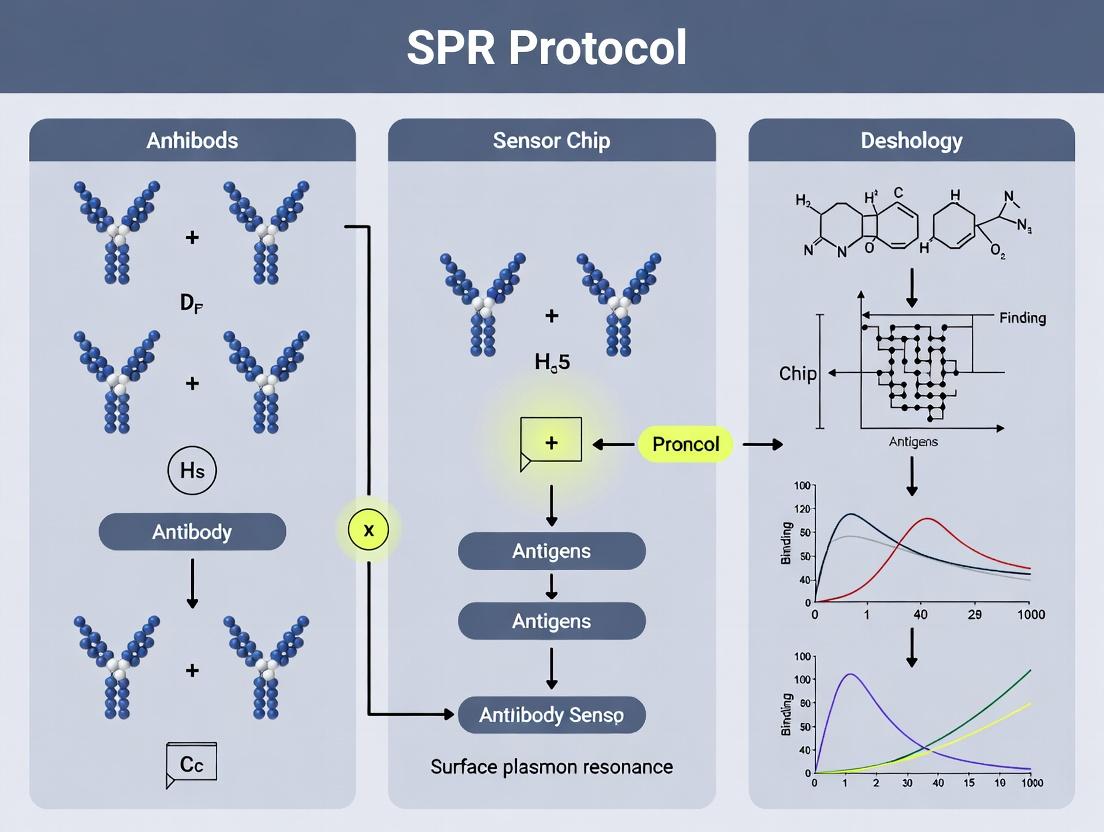
This comprehensive guide explores Surface Plasmon Resonance (SPR) biosensor technology for the precise measurement of antibody-antigen binding affinity (KD) and kinetics.
The Complete Guide to SPR Biosensor Analysis for Accurate Antibody Affinity Measurement in Drug Development
Abstract
This comprehensive guide explores Surface Plasmon Resonance (SPR) biosensor technology for the precise measurement of antibody-antigen binding affinity (KD) and kinetics. Aimed at researchers and drug development professionals, the article details the fundamental principles of SPR, provides step-by-step methodological protocols for assay development, addresses common troubleshooting and optimization challenges, and validates the technique through comparative analysis with other biophysical methods. Readers will gain actionable insights for implementing robust, label-free affinity measurements critical to antibody characterization, lead selection, and therapeutic development.
SPR Fundamentals Demystified: Understanding the Principles of Label-Free Antibody Affinity Measurement
Surface Plasmon Resonance (SPR) is a label-free, real-time optical biosensing technology that measures biomolecular interactions. Within the context of a thesis focused on antibody affinity measurement, SPR is the gold-standard methodology for determining binding kinetics (association rate, ka; dissociation rate, kd) and the equilibrium dissociation constant (KD). Its core principle leverages the excitation of surface plasmons to detect changes in refractive index at a sensor surface, which correlate directly with mass changes due to molecular binding or dissociation.
Core Principle of SPR Biosensing
SPR occurs when polarized light, under conditions of total internal reflection at a metal (typically gold)-dielectric interface, couples with the free electron cloud (plasmons) in the metal film. This coupling creates an evanescent wave that penetrates a short distance (~200-300 nm) into the sample medium. The angle of incident light at which this resonance (manifested as a sharp dip in reflected light intensity) occurs is extremely sensitive to changes in the refractive index at the sensor surface. When an analyte (e.g., an antigen) binds to an immobilized ligand (e.g., an antibody), the mass increase shifts the resonance angle. Monitoring this angle in real-time produces a sensorgram, a plot of response units (RU) versus time, from which kinetic and affinity data are derived.
SPR Signal Generation Pathway
Diagram Title: SPR Optical Principle and Signal Generation Pathway
Key Application Notes for Antibody Affinity Measurement
Table 1: Critical Experimental Parameters and Recommended Ranges
| Parameter | Recommended Range/Setting | Rationale & Impact on Data |
|---|---|---|
| Ligand Immobilization Level | 50 - 150 RU (for kinetics) | Minimizes mass transport limitation and rebinding effects. |
| Analyte Concentration Series | 0.1 x KD to 10 x KD (≥5 concentrations) | Ensures accurate curve fitting for both kinetic and steady-state analysis. |
| Contact Time | 60-300 s (varies by ka) | Must be sufficient to reach binding equilibrium for steady-state analysis. |
| Dissociation Time | 600-1800 s (varies by kd) | Must be sufficient to observe meaningful dissociation; longer for high-affinity interactions. |
| Flow Rate | 30-100 µL/min (kinetics) | Higher flow rates reduce mass transport limitation. |
| Buffer | HBS-EP+ (0.01M HEPES, 0.15M NaCl, 3mM EDTA, 0.05% v/v P20) | Standard buffer; reduces non-specific binding. Must match running & sample buffer. |
| Regeneration Solution | 10 mM Glycine pH 1.5-3.0, or 10-100 mM NaOH | Must fully remove analyte without damaging the immobilized ligand. Requires scouting. |
Table 2: Representative SPR Kinetic Data for Antibody-Antigen Interactions
| Antibody Type | Antigen | ka (1/Ms) | kd (1/s) | KD (M) | Assay Temperature |
|---|---|---|---|---|---|
| Human IgG1 | Soluble Protein | 1.0 x 10^5 | 1.0 x 10^-4 | 1.0 x 10^-9 | 25°C |
| Humanized mAb | Peptide | 5.0 x 10^4 | 1.0 x 10^-2 | 2.0 x 10^-7 | 25°C |
| Murine Fab | Small Molecule | 1.5 x 10^3 | 5.0 x 10^-3 | 3.3 x 10^-6 | 25°C |
| Bispecific | Cell Surface Receptor ECD | 2.8 x 10^5 | 3.5 x 10^-5 | 1.25 x 10^-10 | 37°C |
Detailed Experimental Protocol: Antibody Affinity Kinetics Measurement
Objective: To determine the kinetic rate constants (ka, kd) and equilibrium dissociation constant (KD) for the interaction between a monoclonal antibody (ligand) and its target antigen (analyte).
Protocol Workflow
Diagram Title: SPR Kinetic Affinity Assay Workflow
Step-by-Step Methodology
I. System and Sample Preparation
- Instrument: Prime the SPR instrument (e.g., Biacore, Sierra Sensors SPR) with freshly filtered and degassed running buffer (HBS-EP+).
- Sensor Chip: Dock a CMS Series S (carboxymethylated dextran) sensor chip.
- Ligand (Antibody): Dilute to 1-10 µg/mL in 10 mM sodium acetate buffer (pH 4.0-5.5; optimal pH must be pre-determined via scouting).
- Analyte (Antigen): Prepare a 2-fold or 3-fold dilution series of at least 5 concentrations spanning the expected KD. Include a zero-concentration (buffer) sample for double-referencing.
II. Ligand Immobilization via Amine Coupling
- Activation: Inject a 1:1 mixture of 0.4 M EDC and 0.1 M NHS for 7 minutes at a flow rate of 10 µL/min.
- Immobilization: Immediately inject the prepared antibody solution for 5-7 minutes or until the desired immobilization level (50-150 RU) is achieved.
- Blocking: Inject 1 M ethanolamine-HCl (pH 8.5) for 7 minutes to deactivate excess reactive esters.
- Reference Flow Cell: Activate and block a reference flow cell without ligand injection, or immobilize an irrelevant protein of similar type.
III. Kinetic Measurement Cycle
- Initialize: Flow running buffer over all flow cells at the chosen kinetics flow rate (e.g., 50 µL/min).
- Baseline: Establish a stable baseline for at least 60 seconds.
- Association Phase: Inject the analyte sample for a predetermined contact time (e.g., 180 seconds). Monitor the binding curve in real-time.
- Dissociation Phase: Switch back to running buffer and monitor dissociation for a sufficient time (e.g., 600 seconds).
- Regeneration: Inject the pre-optimized regeneration solution (e.g., 10 mM glycine pH 2.0) for 30-60 seconds to fully remove bound analyte without damaging the antibody.
- Re-equilibration: Allow the baseline to stabilize in running buffer for 60-120 seconds before the next cycle.
- Repeat: Run all analyte concentrations in random order, including replicates of at least one concentration for quality control.
IV. Data Processing and Analysis
- Subtraction: Subtract the sensorgram from the reference flow cell to correct for bulk refractive index shifts and non-specific binding.
- Double-Referencing: Further subtract the sensorgram from the zero-concentration analyte injection.
- Fitting: Align the binding curves and fit the data globally to a 1:1 Langmuir binding model using the instrument's evaluation software (e.g., Biacore Evaluation Software, TraceDrawer).
- Validation: Assess the goodness of fit by inspecting the residual plots. Calculate KD both from the kinetic ratio (kd/ka) and from steady-state analysis of the plateau response (Req) vs. concentration for cross-validation.
The Scientist's Toolkit: Key Research Reagent Solutions
| Item | Function & Role in SPR Assay |
|---|---|
| CMS Series S Sensor Chip | Gold sensor surface with a covalently attached carboxymethylated dextran matrix. Provides a hydrophilic, low non-specific binding environment for ligand immobilization. |
| HBS-EP+ Buffer | The standard running buffer. Provides consistent pH and ionic strength. EDTA chelates divalent cations. Surfactant P20 reduces non-specific surface interactions. |
| Amine Coupling Kit (EDC, NHS, Ethanolamine) | EDC and NHS activate carboxyl groups on the dextran matrix to form reactive NHS esters. Ethanolamine blocks excess esters after ligand immobilization. |
| 10 mM Glycine-HCl (pH 1.5-3.0) | Common regeneration solution. Low pH disrupts antibody-antigen interactions by protonating critical residues. Must be scouted for each unique molecular pair. |
| Anti-Human Fc Capture (CM5/CM4) Chip | Sensor chip pre-immobilized with antibody that captures antibodies via their Fc region. Enables oriented, uniform immobilization and facilitates ligand regeneration. |
| PBS-P+ Buffer (0.05% Surfactant P20) | Alternative running buffer for assays requiring phosphate-buffered saline. Surfactant P20 is critical to minimize bulk and non-specific binding effects. |
| Software: Biacore Evaluation, Scrubber, TraceDrawer | Specialized data analysis software for sensorgram processing, curve fitting, kinetic modeling, and report generation. Essential for extracting accurate rate constants. |
Why Measure Affinity (KD) and Kinetics (ka, kd)? The Role in Antibody Characterization.
Introduction Within the framework of a broader thesis on Surface Plasmon Resonance (SPR) for antibody affinity measurement, this application note details why comprehensive characterization extends beyond a single equilibrium dissociation constant (KD). For therapeutic antibody development, the binding affinity, defined by KD = kd/ka, is a critical potency indicator. However, dissecting its kinetic components—the association rate (ka) and dissociation rate (kd)—provides deeper insights into mechanism of action, predict in vivo efficacy, and guide lead optimization. This document outlines the rationale for full kinetic profiling and provides a detailed SPR-based protocol to achieve it.
The Quantitative Imperative: KD vs. Kinetics The table below summarizes how affinity and kinetics parameters inform critical aspects of antibody characterization and development.
Table 1: Interpretation and Impact of Affinity and Kinetic Parameters
| Parameter | Definition | What It Reveals | Impact on Therapeutic Profile |
|---|---|---|---|
| ka (Association Rate) | Speed of complex formation (M⁻¹s⁻¹) | Target accessibility, electrostatic steering, conformational changes. | Influences on-rate limited targeting (e.g., rapid neutralization of toxins/viruses). |
| kd (Dissociation Rate) | Speed of complex breakdown (s⁻¹) | Complex stability, residence time, avidity potential. | Correlates with efficacy for targets with high turnover; long residence time can sustain effect. |
| KD (Affinity) | Equilibrium constant (M) = kd/ka | Overall binding strength at equilibrium. | Primary indicator of potency; necessary but insufficient for predicting in vivo behavior. |
Table 2: Kinetic Correlates for Different Antibody Modalities
| Antibody Modality | Typical Kinetic Profile Target | Rationale |
|---|---|---|
| Neutralizing Antibody | High ka (fast on-rate) | Must rapidly engage and block pathogen or cytokine before cellular entry or signaling. |
| Receptor Agonist | Moderate ka, very low kd (long residence) | Sustained receptor engagement is required to trigger prolonged signaling cascades. |
| Receptor Antagonist/Blocking Ab | Low kd (slow off-rate) | Prolonged occupancy prevents natural ligand binding, enhancing efficacy despite ligand concentration. |
| T-cell Engager (BiTE) | Balanced, but very low kd for tumor antigen | Ensures stable anchoring to the tumor cell to recruit T cells effectively. |
Detailed SPR Protocol for Kinetic Characterization This protocol utilizes a Biacore T200 or equivalent SPR instrument with a Series S CM5 sensor chip for the capture of monoclonal antibodies (mAbs) via anti-human Fc antibodies.
Workflow Overview:
Diagram Title: SPR Kinetic Analysis Workflow for Captured Antibodies
Protocol Steps:
- System Preparation: Prime the SPR instrument with HBS-EP+ (10 mM HEPES, 150 mM NaCl, 3 mM EDTA, 0.05% v/v Surfactant P20, pH 7.4) running buffer. Dock a fresh Series S CM5 sensor chip.
- Capture Surface Preparation:
- Activate two flow cells (Fc2=reference, Fc3=sample) for 7 minutes with a 1:1 mixture of 0.4 M EDC and 0.1 M NHS.
- Dilute anti-human Fc antibody to 20 µg/mL in 10 mM sodium acetate buffer (pH 5.0). Inject over the sample flow cell (Fc3) for 7 minutes to achieve ~10,000 Response Units (RU).
- Deactivate excess reactive esters with a 7-minute injection of 1 M ethanolamine-HCl (pH 8.5).
- Kinetic Binding Experiment:
- Capture Phase: Dilute the mAb to 1-5 µg/mL in running buffer. Inject over both reference and sample flow cells for 60 seconds at a flow rate of 10 µL/min to achieve a consistent capture level (~50-100 RU).
- Association Phase: Prepare a 3-fold or 5-fold dilution series of the antigen (e.g., 0.5 nM to 100 nM). Inject each concentration over the reference and sample surfaces for 180-300 seconds (association phase) at a flow rate of 30 µL/min.
- Dissociation Phase: Switch to running buffer and monitor the dissociation for 600-900 seconds.
- Regeneration: Remove bound antigen and captured mAb with two 30-second pulses of 10 mM Glycine-HCl (pH 1.5). Re-capture mAb for the next cycle.
- Data Processing & Analysis:
- Reference subtract the sample sensorgram using the reference flow cell data.
- Subtract a buffer blank injection.
- Fit the globally processed sensorgrams to a 1:1 Langmuir binding model using the instrument's evaluation software (e.g., Biacore Evaluation Software). The software will iteratively solve for the optimal ka (kon) and kd (koff) that fit all concentration curves simultaneously.
- Calculate KD = kd/ka.
Signaling Pathway Context for Kinetic Relevance The impact of binding kinetics is most apparent within cellular signaling pathways, as illustrated for a receptor-blocking antibody.
Diagram Title: Kinetic Impact of a Blocking Antibody on Signaling
The Scientist's Toolkit: Key Research Reagent Solutions
Table 3: Essential Materials for SPR-Based Kinetic Analysis
| Item / Reagent | Function / Purpose |
|---|---|
| Biacore T200 or comparable SPR System | Core instrument for label-free, real-time biomolecular interaction analysis. |
| Series S Sensor Chip CM5 | Gold sensor surface with a carboxymethylated dextran matrix for ligand immobilization. |
| Anti-Human Fc Capture Antibody | For oriented, uniform capture of human IgG antibodies, minimizing steric hindrance. |
| EDC & NHS (Amino Coupling Kit) | Cross-linking reagents for covalent immobilization of the capture antibody to the dextran matrix. |
| 10 mM Sodium Acetate Buffers (pH 4.0-5.5) | Optimization buffers for electrostatic preconcentration of the protein during immobilization. |
| 1 M Ethanolamine-HCl (pH 8.5) | Quenches unreacted NHS esters after immobilization. |
| HBS-EP+ Buffer | Standard running buffer with surfactant to minimize non-specific binding. |
| Regeneration Solution (e.g., 10 mM Glycine pH 1.5-3.0) | Gently removes bound analyte and captured ligand without damaging the sensor surface. |
| High-Purity, Monodisperse Antigen | The analyte; homogeneity is critical for obtaining reliable, interpretable kinetic data. |
| Biacore Evaluation Software | Proprietary software for comprehensive data processing, fitting, and kinetic analysis. |
Within a broader thesis focused on Surface Plasmon Resonance (SPR) protocols for antibody affinity measurement, the selection of appropriate instrumentation and sensor chips is foundational. This document provides an overview of available platforms, detailed application notes, and experimental protocols to guide researchers in selecting and implementing the optimal SPR setup for quantifying antibody-antigen interactions, determining kinetics (ka, kd), and calculating equilibrium dissociation constants (KD).
Core Instrumentation Platforms
The following table summarizes key commercial SPR platforms, their core technology, and suitability for antibody characterization.
Table 1: Overview of Major SPR Instrumentation Platforms
| Platform (Manufacturer) | Core Technology | Flow System | Throughput | Key Features for Antibody Work |
|---|---|---|---|---|
| Biacore 8K / 1S+ (Cytiva) | SPR / SPRm | Multichannel (up to 8) | High | High sensitivity, advanced kinetics software, FDA-validated assays. |
| Sierra SPR (Bruker) | SPR / LSPR | 2-channel | Medium | Affordable, low sample consumption, stable baseline. |
| Reichert4SPR (Ametek) | Dual-channel SPR | 2-channel reference | Medium | High precision for small molecule and antibody binding. |
| OpenSPR (Nicoya Lifesciences) | LSPR | 1-channel | Low | Benchtop, low cost, low sample volume. |
| MP-SPR (BioNavis) | Multi-Parametric SPR | 2-channel | Medium | Measures absolute thickness & refractive index, wide angle range. |
| Spreeta (TI) / SPRi-Plex (HORIBA) | SPR Imaging | Array-based | High | Parallel screening of multiple interactions on a single chip. |
Sensor Chip Chemistries and Selection
Sensor chip functionalization dictates the ligand immobilization strategy. The choice is critical for antibody affinity measurements.
Table 2: Common Sensor Chip Surfaces for Antibody Affinity Measurements
| Chip Type (Series) | Surface Chemistry | Immobilization Method | Ideal Use Case | Approx. Immobilization Capacity (RU)* |
|---|---|---|---|---|
| CM5 / CMS (Cytiva) | Carboxymethyl dextran | Amine coupling, thiol coupling | General purpose, high capacity. | 10,000 - 30,000 (IgG) |
| Series S SA (Cytiva) | Streptavidin | Capture of biotinylated ligand | Stable capture of biotinylated antigens/DNA. | Varies by ligand |
| Protein A/G (Cytiva/Nicoya) | Recombinant Protein A or G | Fc-directed capture | Capture of antibodies for epitope binning or crude sample analysis. | 5,000 - 10,000 (IgG) |
| NTA (Cytiva/Nicoya) | Nitrilotriacetic acid | His-tag capture | Capture of His-tagged antigens or antibodies. | Varies by ligand |
| Gold (bare) / C1 (Cytiva) | Plain gold or short linker | Thiol-based coupling | For large molecules or cell binding studies. | Lower, surface-dependent |
| Hydrogel-based (Bruker) | Carboxylated hydrogel | Amine coupling | High capacity, reduced non-specific binding. | Comparable to CM5 |
*RU: Resonance Units. Values are approximate and depend on experimental conditions.
Detailed Protocol: Antibody Affinity Measurement via Antigen Capture
This protocol uses a Protein A/G chip to capture a monoclonal antibody (mAb), followed by injection of a recombinant antigen to measure binding kinetics.
The Scientist's Toolkit: Research Reagent Solutions
Table 3: Essential Materials for SPR Antibody Affinity Assay
| Item | Function | Example Product/Buffer |
|---|---|---|
| SPR Instrument | Detection platform for real-time biomolecular interaction analysis. | Biacore 8K, Sierra SPR, etc. |
| Protein G Sensor Chip | Captures antibody via Fc region, orienting antigen-binding sites. | Cytiva Series S Protein G, Nicoya Protein G Chip. |
| HBS-EP+ Running Buffer (10x) | Provides constant ionic strength/pH; surfactant reduces non-specific binding. | 10 mM HEPES, 150 mM NaCl, 3 mM EDTA, 0.05% P20, pH 7.4. |
| Regeneration Solution | Removes bound ligand from capture surface without damaging it. | 10 mM Glycine, pH 1.5, 2.0, or 2.5. |
| Purified Monoclonal Antibody | The analyte whose affinity is being measured. | 1-10 µg/mL in running buffer. |
| Antigen, Recombinant | The ligand whose binding to the captured mAb is measured. | 2-fold serial dilution in running buffer (e.g., 100 nM to 0.78 nM). |
| 1-Ethyl-3-(3-dimethylaminopropyl)carbodiimide (EDC) & N-hydroxysuccinimide (NHS) | For amine-coupling immobilization on CM5 chips. | Standard amine-coupling kit. |
Experimental Workflow Protocol
Step 1: System Preparation
- Prime the instrument with filtered (0.22 µm) and degassed HBS-EP+ running buffer.
- Dock the selected sensor chip.
Step 2: Surface Preparation (Protein G Capture Method)
- Flow cell selection: Use one flow cell as a reference (activated & blocked only).
- Baseline stabilization: Flow running buffer until a stable baseline is achieved.
- Capture optimization: Inject a short pulse (e.g., 60 seconds) of antibody at 5 µg/mL to determine the capture level (aim for 50-100 RU for kinetic analysis). Note the capture stability.
Step 3: Kinetics Experiment
- Cycle design: Each cycle consists of:
- Capture: Inject antibody for a fixed time (e.g., 60 sec) to achieve consistent capture level.
- Association: Inject antigen sample (single concentration) for 180-300 sec.
- Dissociation: Monitor dissociation in running buffer for 600-1800 sec.
- Regeneration: Inject two 30-sec pulses of regeneration solution (e.g., Glycine pH 2.2) to remove antibody-antigen complex.
- Recovery: Allow re-equilibration with buffer for 60 sec.
- Concentration series: Run cycles for all antigen concentrations (minimum of 5, in duplicate) in random order, including a zero-concentration (buffer) blank for double-referencing.
Step 4: Data Analysis
- Reference subtraction: Subtract responses from the reference flow cell and the blank buffer injection.
- Kinetic fitting: Fit the processed sensorgrams globally to a 1:1 binding model using the instrument’s software (e.g., Biacore Insight Evaluation Software, TraceDrawer).
- Report results: The software will provide the association rate (ka, M⁻¹s⁻¹), dissociation rate (kd, s⁻¹), and the calculated equilibrium dissociation constant (KD = kd/ka, M).
Title: SPR Kinetics Assay Workflow for Antibody Affinity
Protocol: Direct Immobilization (Amine Coupling) for Epitope Binning
This protocol is for mapping antibody epitopes by immobilizing an antigen directly on a CM5 chip.
Detailed Immobilization Steps
Step 1: Surface Activation
- Mix equal volumes of 400 mM EDC and 100 mM NHS.
- Inject the EDC/NHS mixture for 420 seconds (7 minutes) over the target flow cell(s).
Step 2: Ligand Immobilization
- Dilute the purified antigen to 5-20 µg/mL in 10 mM sodium acetate buffer (pH typically 4.0-5.0, optimize for your protein).
- Inject the antigen solution for 300-600 seconds to achieve the desired immobilization level (typically 50-100 RU for kinetic analysis).
- Note: A lower Rmax (response at saturation) simplifies data interpretation and reduces mass transport effects.
Step 3: Blocking
- Inject 1 M ethanolamine hydrochloride-NaOH (pH 8.5) for 420 seconds to deactivate excess NHS esters and block the surface.
Step 4: Kinetics/Binning Experiment
- For affinity measurements, inject antibody dilutions as described in Section 4.2.
- For epitope binning, inject a saturating concentration of the first mAb, then inject the second mAb without regeneration to assess competition.
Title: Amine Coupling Immobilization on CM5 Chip
Critical Considerations and Data Quality Controls
- Mass Transport: For high-affinity interactions (low pM KD), ensure adequate flow rate (e.g., 30 µL/min) and low ligand density.
- Avidity Effects: Use monovalent antigen formats (e.g., Fab, monomeric recombinant protein) when measuring affinity for bivalent IgG to avoid avidity-based overestimation of affinity.
- Regeneration Scouting: Test multiple regeneration buffers (low pH, high salt, mild detergent) to find one that fully regenerates the surface without damaging the ligand.
- Double Referencing: Always subtract both the reference flow cell signal and the buffer blank injection to correct for bulk refractive index shift and instrument drift.
Within the broader thesis on Surface Plasmon Resonance (SPR) protocols for antibody affinity measurement, understanding the binding cycle is fundamental. This application note details the core kinetic phases and provides practical protocols for executing and analyzing these experiments.
The Three Phases of the Binding Cycle
The binding interaction between an analyte (e.g., antibody) and an immobilized ligand (e.g., antigen) on an SPR sensor chip is characterized by three distinct phases.
Association Phase: The analyte is flowed over the ligand surface. Binding causes an increase in the SPR response (Resonance Units, RU). The rate is governed by the association rate constant (ka). Steady-State Phase: Equilibrium is reached where the rate of association equals the rate of dissociation. The response plateaus, and the equilibrium dissociation constant (KD) can be calculated directly from this response level. Dissociation Phase: The analyte solution is replaced with buffer. Dissociation of the complex leads to a decrease in SPR response, governed by the dissociation rate constant (kd).
Table 1: Key Kinetic Parameters and Their Interpretation
| Parameter | Symbol | Phase Determined | Typical Units | Interpretation |
|---|---|---|---|---|
| Association Rate Constant | ka | Association | M-1s-1 | Measures how quickly the complex forms. |
| Dissociation Rate Constant | kd | Dissociation | s-1 | Measures how quickly the complex breaks apart. |
| Equilibrium Dissoc. Constant | KD | Steady-State or Ratio (kd/ka) | M | Affinity measure. Lower KD = tighter binding. |
| Maximum Binding Capacity | Rmax | N/A | RU | Theoretical max response at saturation. |
Table 2: Example SPR Data for an Anti-IL-6 Monoclonal Antibody
| Analyte Concentration (nM) | Steady-State Response (RU) | Calculated ka (x105 M-1s-1) | Calculated kd (x10-4 s-1) | Derived KD (nM) |
|---|---|---|---|---|
| 1.56 | 12.5 | 2.1 ± 0.2 | 3.0 ± 0.3 | 1.43 |
| 3.125 | 23.8 | 2.0 ± 0.3 | 2.9 ± 0.4 | 1.45 |
| 6.25 | 42.1 | 1.9 ± 0.2 | 3.1 ± 0.2 | 1.63 |
| 12.5 | 68.9 | 2.2 ± 0.3 | 3.0 ± 0.3 | 1.36 |
| 25 | 98.5 | 2.1 ± 0.2 | 2.8 ± 0.3 | 1.33 |
| Mean ± SD | 2.06 ± 0.11 | 2.96 ± 0.11 | 1.44 ± 0.12 |
Experimental Protocols
Protocol 1: General SPR Kinetic Experiment for Antibody Affinity
Objective: To determine the kinetic rate constants (ka, kd) and equilibrium affinity (KD) of a monoclonal antibody for its antigen.
I. Materials & Surface Preparation
- Instrument: SPR system (e.g., Biacore series, Sierra Sensors SPR-32 Pro).
- Sensor Chip: CMS (carboxymethylated dextran) series chip.
- Running Buffer: HBS-EP+ (10 mM HEPES, 150 mM NaCl, 3 mM EDTA, 0.05% v/v Surfactant P20, pH 7.4). Filter (0.22 µm) and degas.
- Ligand: Purified antigen (>95% purity).
- Analyte: Monoclonal antibody serial dilutions in running buffer.
- Reagents for Immobilization: 1-ethyl-3-(3-dimethylaminopropyl)carbodiimide (EDC), N-hydroxysuccinimide (NHS), Ethanolamine-HCl.
II. Ligand Immobilization (Amine Coupling)
- Dilute Ligand: Prepare antigen in 10 mM sodium acetate buffer (pH 4.5-5.5, optimize for pI).
- Activate Surface: Inject a 1:1 mixture of 0.4 M EDC and 0.1 M NHS for 420 seconds at 10 µL/min.
- Immobilize: Immediately inject the antigen solution (typically 5-50 µg/mL) for 420-600 seconds. Target ~50-100 RU for kinetic analysis.
- Block: Inject 1 M ethanolamine-HCl (pH 8.5) for 420 seconds to deactivate excess NHS esters.
- Reference Surface: Prepare a reference flow cell activated and blocked without ligand.
III. Kinetic Titration
- Condition: Stabilize chip with running buffer for at least 30 minutes at a continuous flow (e.g., 30 µL/min).
- Analyte Series: Prepare a 2-fold serial dilution of the antibody (e.g., 6 concentrations from 0.8x to 2x the expected KD). Include a zero concentration (buffer) for double-referencing.
- Binding Cycle:
- Association: Inject each analyte concentration for 180-300 seconds at 30 µL/min.
- Dissociation: Switch to buffer flow and monitor dissociation for 600-900 seconds.
- Regeneration: Inject a short pulse (15-60 sec) of regeneration solution (e.g., 10 mM Glycine-HCl, pH 2.0-2.5) to completely remove bound antibody without damaging the antigen. Re-equilibrate with buffer.
- Repeat: Run each concentration in duplicate or triplicate, in random order to avoid systematic bias.
IV. Data Analysis
- Reference Subtraction: Subtract the response from the reference flow cell.
- Buffer Subtraction: Subtract the response from the buffer (zero analyte) injection.
- Kinetic Fitting: Fit the subtracted sensograms globally to a 1:1 Langmuir binding model using the instrument's software (e.g., Biacore Evaluation Software, Scrubber).
- Quality Assessment: Check residual plots for randomness and χ² value.
Protocol 2: Steady-State Affinity Analysis
Objective: To directly determine the equilibrium KD from the steady-state binding level. Procedure: Follow Protocol 1, but ensure the association phase is long enough for all analyte concentrations to reach a stable plateau (may require longer injection times). Analyze by plotting the steady-state response (Req) against analyte concentration and fitting to a steady-state affinity model: Req = (Rmax * [C]) / (KD + [C]).
Visualizations
Title: The Three Phases of the SPR Binding Cycle
Title: SPR Kinetic Experiment Workflow
The Scientist's Toolkit: Key Research Reagent Solutions
Table 3: Essential Materials for SPR Antibody Affinity Measurement
| Item | Function | Example/Notes |
|---|---|---|
| SPR Instrument | Optical system to detect real-time biomolecular interactions by measuring refractive index changes. | Biacore 8K, Reichert SPR, OpenSPR. |
| Sensor Chip | Provides the functionalized surface for ligand immobilization. | CMS Series (dextran), NTA (His-tag capture), SA (streptavidin for biotinylated ligands). |
| HBS-EP+ Buffer | Standard running buffer; minimizes non-specific binding and maintains pH/ionic stability. | Contains surfactant P20 to reduce bulk refractive index shifts. |
| Amine Coupling Kit | Chemical reagents for covalent immobilization of proteins via primary amines. | Contains EDC, NHS, and ethanolamine for activation, coupling, and blocking. |
| Regeneration Solution | Gentle acidic/basic or high-salt solution to dissociate bound analyte without damaging the ligand. | 10 mM Glycine-HCl (pH 1.5-3.0), 10 mM NaOH. Must be optimized empirically. |
| Affinity-Purified Ligand | The capture molecule (e.g., antigen) immobilized on the chip surface. | High purity (>95%) and stability are critical for reproducible kinetics. |
| Serially Diluted Analyte | The binding partner (e.g., antibody) flowed over the surface at known concentrations. | Prepare in running buffer with precise dilution series spanning the expected KD. |
| Analysis Software | Software for sensogram processing, referencing, and kinetic/affinity fitting. | Biacore Evaluation Software, TraceDrawer, Scrubber, or instrument-native software. |
Within Surface Plasmon Resonance (SPR) research for antibody affinity measurement, the choice of ligand immobilization strategy is fundamental. Direct covalent immobilization and capture-based immobilization each present distinct advantages and limitations, impacting data quality, experimental flexibility, and ligand integrity. This application note, framed within a thesis on SPR protocols, details the critical considerations, quantitative comparisons, and specific protocols for both strategies to guide researchers and drug development professionals in selecting the optimal approach.
Core Comparison: Direct vs. Capture Immobilization
Table 1: Strategic Comparison of Immobilization Methods
| Parameter | Direct Covalent Immobilization | Capture Immobilization |
|---|---|---|
| Ligand Activity | Risk of inactivation via random orientation/multisite coupling. | High activity; controlled orientation preserves functional epitopes. |
| Surface Regeneration | Harsh conditions often required; can degrade ligand over time. | Gentle; capture ligand is regenerated, analyte ligand is replenished. |
| Ligand Consumption | Low (single-use surface). | Higher (ligand is injected per cycle). |
| Throughput | Lower (one ligand per flow cell/channel). | High; multiple analytes can be tested against a single captured ligand in series. |
| Experimental Flexibility | Fixed ligand surface. | High; different ligands (e.g., antibodies) can be captured sequentially on the same surface. |
| Kinetic Analysis | Suitable for standard kinetics. | Ideal for comparing multiple analytes against a consistent ligand density. |
| Primary Best Use Case | Stable ligands, small molecules, or when ligand is abundant. | Precious or sensitive ligands (e.g., antibodies, membrane proteins), screening applications. |
Table 2: Quantitative Performance Data (Typical SPR Metrics)
| Metric | Direct Immobilization (Anti-IgG, CMS chip) | Capture Immobilization (Protein A chip) |
|---|---|---|
| Immobilization Density (RU) | 10,000 - 15,000 RU | 4,000 - 6,000 RU (for capture ligand) |
| Functional Activity (% active) | ~30-60% (due to random orientation) | ~80-95% (oriented capture) |
| Surface Stability (# of cycles) | 50-100 cycles (with harsh regeneration) | 100-200+ cycles (gentle capture ligand regeneration) |
| Reproducibility ( %CV of ka) | 5-10% | 3-8% |
| Ligand Required per Surface | ~10 µg | ~0.5 - 1 µg per injection cycle |
Experimental Protocols
Protocol 1: Direct Amine Coupling Immobilization
Application: Immobilizing a purified protein (antigen) for screening antibody binding kinetics.
- Surface Preparation: Dock a CMS Series S sensor chip. Prime the SPR system with running buffer (e.g., HBS-EP+, 10 mM HEPES, 150 mM NaCl, 3 mM EDTA, 0.05% v/v Surfactant P20, pH 7.4).
- Activation: Inject a 1:1 mixture of 0.4 M EDC and 0.1 M NHS for 7 minutes at a flow rate of 10 µL/min.
- Ligand Injection: Dilute the target antigen to 5-10 µg/mL in 10 mM sodium acetate buffer (pH 4.0-5.5, optimized via scouting). Inject for 7 minutes at 10 µL/min to achieve the desired density (e.g., 50-100 RU for kinetics).
- Deactivation: Inject 1 M ethanolamine-HCl (pH 8.5) for 7 minutes to block remaining activated esters.
- Conditioning: Perform 2-3 injections of a regeneration solution (e.g., 10 mM glycine-HCl, pH 2.0) to stabilize the baseline.
Protocol 2: Capture Immobilization via Anti-Histidine Tag
Application: Capturing a His-tagged antigen for characterizing multiple monoclonal antibodies.
- Capture Surface Preparation: Dock an NTA sensor chip. Charge the surface with 0.5 mM NiCl₂ for 1 minute at 10 µL/min.
- Capture Ligand Injection: Dilute the His-tagged antigen in running buffer (HBS-EP+). Inject for 2-3 minutes at 5 µL/min to achieve a consistent capture level (e.g., 50-80 RU) for each cycle.
- Analyte Binding: Inject the antibody analyte at varying concentrations (serial dilutions) for 3-5 minutes (association) at 30 µL/min.
- Dissociation: Monitor dissociation in running buffer for 5-10 minutes.
- Surface Regeneration: Perform a two-step regeneration: first, inject 350 mM EDTA for 1 minute to strip the His-tagged antigen and Ni²⁺; second, recharge with NiCl₂ for the next cycle.
Visualization of Workflows
Diagram Title: SPR Immobilization Method Workflows
Diagram Title: Decision Tree for Immobilization Strategy Selection
The Scientist's Toolkit: Research Reagent Solutions
Table 3: Essential Materials for SPR Immobilization
| Item | Function & Description | Example (Supplier) |
|---|---|---|
| CMS Sensor Chip | Gold surface with a carboxymethylated dextran matrix for covalent coupling via amine, thiol, or other chemistry. | Series S Sensor Chip CMS (Cytiva) |
| NTA Sensor Chip | Surface pre-functionalized with nitrilotriacetic acid for capturing His-tagged proteins via divalent cations (Ni²⁺, Co²⁺). | Series S Sensor Chip NTA (Cytiva) |
| Protein A Sensor Chip | Surface with pre-immobilized recombinant Protein A for capturing antibodies via Fc region. | Series S Sensor Chip Protein A (Cytiva) |
| EDC/NHS Crosslinkers | Carbodiimide (EDC) and N-hydroxysuccinimide (NHS) for activating carboxyl groups on CMS chips for amine coupling. | Amine Coupling Kit (Cytiva/Bio-Rad) |
| Amine Coupling Buffers | Low-pH acetate buffers for optimizing electrostatic pre-concentration of proteins during covalent immobilization. | Sodium Acetate Buffer pH Scouting Kit (Cytiva) |
| Running Buffer (HBS-EP+) | Standard SPR running buffer with surfactant to minimize non-specific binding and ensure stable baseline. | HBS-EP+ Buffer, 10X (Teknova) |
| Regeneration Solutions | Low pH (glycine-HCl), high pH (NaOH), or specific chelators (EDTA) to dissociate bound analyte without damaging ligand. | Regeneration Solution Kit (Cytiva) |
| Immobilization Standard | A characterized protein (e.g., anti-BSA antibody) for validating chip surface performance and immobilization protocol. | BIACORE Immobilization and Calibration Kit (Cytiva) |
Surface Plasmon Resonance (SPR) is a cornerstone technology for determining the affinity and kinetics of biomolecular interactions, particularly in antibody drug development. This protocol, framed within a broader thesis on SPR for antibody affinity measurement, provides a systematic guide to transforming raw sensoryram data into reliable binding curves. Accurate interpretation is critical for characterizing lead candidates, elucidating structure-activity relationships, and guiding engineering efforts.
The SPR Sensoryram: Key Features and Artifacts
A raw sensoryram is a plot of response units (RU) versus time, depicting the injection of analyte over a ligand-immobilized sensor surface. The following table summarizes quantitative features and common artifacts.
Table 1: Sensoryram Phase Characteristics and Common Artifacts
| Sensoryram Phase | Description | Typical Duration | Key Quantitative Feature | Common Artifact & Cause |
|---|---|---|---|---|
| Baseline | Stable signal before injection. | N/A | Stability (<0.5 RU drift/min). | Drift (temperature shift, buffer mismatch). |
| Association | Analyte binds, increasing RU. | 60-300 sec. | Initial slope (ka, binding rate). | Bulk refractive index shift (buffer mismatch). |
| Steady State / Equilibrium | Binding reaches dynamic equilibrium. | Variable. | Plateau RU (Req, for KD). | Failure to plateau (very slow kinetics). |
| Dissociation | Analyte washes off, RU decreases. | 120-600 sec. | Decay curve (kd, dissociation rate). | Rebinding (high density, low flow). |
| Regeneration | Surface is returned to baseline. | 30-60 sec. | % Activity recovered. | Incomplete regeneration or ligand damage. |
Detailed Protocol: From Raw Data to Binding Parameters
Protocol: Pre-processing Raw Sensoryram Data
Objective: To subtract systematic noise and prepare sensoryrams for kinetic analysis. Materials: SPR instrument software (e.g., Biacore Insight Evaluation Software, Scrubber). Procedure:
- Zero Time Alignment: Align all sensoryrams to the start of the analyte injection phase.
- Y-axis Alignment (Referencing): a. Subtract the signal from a reference flow cell (immobilized with a non-interacting protein or a blank surface). b. Alternatively, subtract the average response from a buffer-only injection.
- Bulk Refractive Index Correction: Apply a standard double-referencing method by subtracting both reference surface and buffer injection responses.
- Baseline Adjustment: Set the response immediately before injection to 0 RU for all curves. Output: Corrected sensoryrams ready for kinetic fitting.
Protocol: Steady-State Affinity (KD) Analysis
Objective: To determine the equilibrium dissociation constant from the binding response at equilibrium. Materials: Corrected sensoryrams across a minimum of 8 analyte concentrations (spanning below and above expected KD, ideally in 2-3 fold serial dilutions). Procedure:
- For each concentration, measure the average response (RU) during the steady-state plateau (Req).
- Plot Req against analyte concentration ([A]).
- Fit data to a 1:1 Langmuir binding isotherm model: Req = (Rmax * [A]) / (KD + [A]) where Rmax is the maximum binding capacity.
- Extract KD directly from the nonlinear regression fit. Report R² and confidence intervals. Note: Valid only if system reaches equilibrium during the injection and assumes homogeneous, 1:1 binding.
Protocol: Kinetic Rate Constant (ka, kd) Analysis
Objective: To determine the association (ka) and dissociation (kd) rate constants. Materials: Corrected sensoryrams with distinct association and dissociation phases; software with global fitting capability (e.g., Biacore Evaluation Software, TraceDrawer). Procedure:
- Global Fitting: Simultaneously fit all sensoryrams (multiple concentrations) to a 1:1 interaction model.
- Model Equations:
- Association phase: dR/dt = ka * C * (Rmax - R) - kd * R
- Dissociation phase: dR/dt = - kd * R where C is analyte concentration, R is response.
- The software iteratively solves differential equations to find the ka and kd values that best fit the entire dataset.
- Calculate: KD = kd / ka.
- Assess Fit: Inspect residual plots (difference between fitted and raw data) for randomness.
Mandatory Visualizations
The Scientist's Toolkit: Key Research Reagent Solutions
Table 2: Essential Materials for SPR Antibody Affinity Measurement
| Item | Function & Importance |
|---|---|
| CMS Series S Sensor Chip | Gold surface with a carboxymethylated dextran matrix for covalent ligand immobilization. The standard for most antibody-antigen studies. |
| Anti-Human Fc Capture Kit | Contains antibodies immobilized on a chip to capture antibody ligands via their Fc region. Presents antibody in a uniform, oriented manner, crucial for accurate kinetics. |
| HBS-EP+ Running Buffer | (HEPES, NaCl, EDTA, Surfactant P20). Standard buffer for most experiments. EDTA chelates metals, surfactant minimizes non-specific binding. |
| Amine Coupling Kit | (NHS, EDC, Ethanolamine HCl). For covalent immobilization of protein ligands directly to the dextran matrix via primary amines. |
| Glycine-HCl (pH 1.5-3.0) | Standard regeneration solution to break antibody-antigen bonds without damaging the captured ligand. Concentration must be optimized. |
| Pioneer Series Chip (Fc1/Fc2) | Pre-immobilized with Protein A or G for direct, reversible capture of antibodies. Simplifies screening but can impact kinetics due to avidity. |
| Kinetic Buffer Additives | (e.g., BSA, CHAPS, Tween-20). Added to running buffer to reduce non-specific binding of hydrophobic or sticky analytes. |
| High-Performance Liquid Handler | For precise, automated serial dilution and injection of analyte samples. Essential for reproducible concentration series and high-throughput analysis. |
Step-by-Step SPR Protocol: From Assay Design to Data Analysis for Robust Affinity Determination
Within the broader thesis on Surface Plasmon Resonance (SPR) protocol for antibody affinity measurement research, the initial and most critical step is the precise definition of the biological question. This dictates every subsequent parameter of the assay design. A poorly framed question leads to irrelevant data. This application note details the considerations and protocols for translating a biological hypothesis into a robust, quantitative SPR experiment.
Core Biological Questions & Corresponding Assay Parameters
The biological question directly determines the experimental format and the data required. The following table maps common questions to SPR assay configurations.
Table 1: Translating the Biological Question into SPR Experimental Design
| Biological Question | Primary SPR Assay Goal | Key Measured Parameters | Recommended Assay Format |
|---|---|---|---|
| What is the binding affinity of a monoclonal antibody for its soluble antigen? | Determine kinetics and affinity. | ka (Association rate, 1/Ms), kd (Dissociation rate, 1/s), KD (Equilibrium constant, M). | Direct binding (Antigen immobilized or antibody captured). |
| How does a point mutation in the Fab region affect antigen engagement? | Compare kinetics/affinity relative to wild-type. | Relative changes in ka, kd, and KD. | Multi-cycle kinetics with a capture system for antibodies. |
| Does the antibody block the interaction between a receptor and its ligand? | Assess inhibitory potency. | IC50, % inhibition at given concentration. | Competition/Inhibition assay (Cofix ligand, inject antibody pre-mixed with soluble receptor). |
| What is the apparent affinity (avidity) of a bivalent IgG for a cell-surface antigen? | Measure multivalent interaction strength. | Apparent KD (often significantly lower than monovalent KD). | Capture antibody, inject multivalent antigen (e.g., dimeric) or use a surrogate membrane format. |
| How stable is the complex over time? | Assess long-term complex dissociation. | Off-rate (kd) over extended dissociation phase, complex half-life (t1/2 = ln(2)/kd). | Extended dissociation monitoring (e.g., 1-2 hours). |
Experimental Protocols
Protocol 1: Direct Binding Assay for Monoclonal Antibody Affinity Measurement
This protocol details the steps for determining the kinetics and affinity of an antibody binding to an immobilized antigen.
I. Key Research Reagent Solutions & Materials
- SPR Instrument: (e.g., Biacore T200, Cytiva). Function: Optical biosensor for real-time, label-free interaction analysis.
- Sensor Chip CM5: A carboxymethylated dextran matrix chip for covalent immobilization. Function: Provides a surface for ligand attachment.
- Running Buffer: HBS-EP+ (10 mM HEPES, 150 mM NaCl, 3 mM EDTA, 0.05% v/v Surfactant P20, pH 7.4). Function: Maintains consistent pH and ionic strength, minimizes non-specific binding.
- Amine Coupling Kit: Contains N-hydroxysuccinimide (NHS), N-ethyl-N'-(3-dimethylaminopropyl)carbodiimide (EDC), and ethanolamine-HCl. Function: Activates the dextran matrix for covalent ligand immobilization.
- Purified Antigen (Ligand): >90% purity, in low-salt buffer without amine additives. Function: The molecule immobilized on the chip surface.
- Antibody Analyte Samples: Serial dilutions (typically 3-fold, spanning a range above and below expected KD) in running buffer. Must be precisely concentrated. Function: The binding partner injected over the immobilized ligand.
II. Detailed Methodology
- System Preparation: Prime the SPR instrument with filtered and degassed running buffer.
- Ligand Immobilization:
- Dock a new Sensor Chip CM5.
- Activate the dextran matrix on the target flow cell with a 1:1 mixture of NHS and EDC for 7 minutes.
- Dilute the antigen in 10 mM sodium acetate buffer (pH 4.0-5.5, optimized via scouting). Inject over the activated surface for a target immobilization level (typically 50-100 Response Units (RU) for kinetics).
- Deactivate the remaining activated groups with a 7-minute injection of 1M ethanolamine-HCl (pH 8.5).
- Use a reference flow cell (activated and deactivated only) for background subtraction.
- Kinetic Experiment:
- Create a method specifying contact time (e.g., 180 s), dissociation time (e.g., 600 s), and flow rate (e.g., 30 µL/min).
- Inject antibody dilutions in random order, including a zero-concentration (buffer) sample for double-referencing.
- Regenerate the surface between cycles with a short injection (e.g., 30 s) of 10 mM glycine-HCl, pH 1.5-2.5, to remove bound antibody without damaging the antigen.
- Data Analysis:
- Process sensorgrams by subtracting the reference flow cell and buffer injection responses.
- Fit the corrected data to a 1:1 Langmuir binding model using the instrument's evaluation software to extract ka, kd, and KD.
Protocol 2: Competition-Inhibition Assay for Epitope Blocking
This protocol measures the ability of a solution-phase antibody to inhibit the binding of a second molecule (e.g., a receptor) to an immobilized ligand.
I. Key Research Reagent Solutions & Materials
- All materials from Protocol 1, plus:
- Soluble Receptor/Competitor: The molecule whose binding is being blocked. Function: Report molecule for the inhibition assay.
- Reference Antibody (Isotype Control): Function: Control for non-specific inhibition.
II. Detailed Methodology
- Ligand Immobilization: Immobilize the antigen (e.g., the receptor's ligand) as described in Protocol 1, Step 2.
- Pre-incubation & Injection:
- Prepare a fixed, sub-saturating concentration of the soluble receptor (determined from prior experiments).
- Pre-mix this fixed receptor concentration with a serial dilution of the inhibitory antibody (or control) for a set time (e.g., 30 min) at assay temperature.
- Inject these pre-mixtures over the immobilized antigen using a short contact time (e.g., 60-120 s).
- The response is inversely proportional to the inhibitory antibody's potency.
- Data Analysis:
- Plot the maximum response (RU) versus the inhibitor (antibody) concentration.
- Fit the data to a sigmoidal dose-response curve to determine the IC50 value (concentration giving 50% inhibition).
Visualization: Experimental Design Logic
Diagram 1: From Biological Question to SPR Assay Output
The Scientist's Toolkit: Essential Reagents & Materials for SPR Affinity Measurement
Table 2: Key Research Reagent Solutions for SPR Assays
| Item | Function / Role in Assay | Critical Considerations |
|---|---|---|
| SPR Sensor Chips (e.g., Series S, CM5, CAP) | Provides the functionalized surface for ligand attachment. | Choice depends on ligand properties: CM5 for covalent amine coupling, CAP for capture via anti-tag antibodies, liposome chips for membrane proteins. |
| High-Purity Running Buffer (e.g., HBS-EP+) | Maintains consistent biochemical environment during analysis. | Must be filtered (0.22 µm) and degassed to prevent air bubbles. pH, ionic strength, and additives (e.g., Tween) are critical for minimizing non-specific binding. |
| Amine Coupling Chemistry Kit (NHS/EDC) | Enables covalent immobilization of proteins via primary amines. | Standard for most protein ligands. Requires ligand to be in amine-free buffer. pH scouting is essential for optimal immobilization density. |
| Regeneration Solutions (e.g., Glycine pH 1.5-3.0) | Removes bound analyte to regenerate the ligand surface. | Must be strong enough to dissociate the complex but not denature the immobilized ligand. Requires empirical screening. |
| Anti-Human Fc (or species-specific) Capture Kit | Captures antibodies via their Fc region, presenting them in a uniform orientation. | Essential for comparing multiple antibodies or mutants. Provides a reusable surface with consistent activity. Minimizes denaturing regeneration. |
| High-Quality, Purified Ligand & Analyte | The molecules of interest whose interaction is being measured. | Purity >90% is critical. Must be free of aggregates. Analyte concentrations must be accurately determined (e.g., by A280). |
Within the context of Surface Plasmon Resonance (SPR) research for antibody affinity measurement, the choice of ligand immobilization strategy is critical. It directly impacts the orientation, activity, and stability of the captured ligand, thereby influencing the accuracy and reproducibility of kinetic and affinity data. This application note details three core covalent coupling chemistries—amine, carboxyl, and the high-affinity streptavidin/biotin interaction—providing standardized protocols for their implementation on carboxymethyl dextran (CMD) sensor chips, the most common SPR substrate.
Table 1: Key Characteristics of Immobilization Methods
| Parameter | Amine Coupling | Carboxyl Coupling | Streptavidin/Biotin |
|---|---|---|---|
| Target Group | Primary amines (-NH₂) | Carboxylates (-COOH) | Biotin moiety |
| Ligand Requirement | Accessible lysines or N-terminus | Accessible aspartate/glutamate or C-terminus | Must be biotinylated |
| Orientation | Random | Random | Highly定向 (via biotin) |
| Binding Capacity | High | Moderate | High |
| Stability | Very stable (covalent) | Very stable (covalent) | Extremely stable (non-covalent) |
| Typical Application | Proteins, antibodies with accessible amines | Proteins, peptides, small molecules with -COOH | Any biotinylated ligand (DNA, proteins, etc.) |
| Regeneration Tolerance | High | High | Moderate (can dissociate SA-biotin under harsh conditions) |
Experimental Protocols
Amine Coupling Protocol
This method activates surface carboxyl groups on a CMD chip to form reactive esters for nucleophilic attack by primary amines on the ligand.
Materials:
- SPR instrument with fluidic system.
- CM5 or equivalent CMD sensor chip.
- Running Buffer: HBS-EP+ (10 mM HEPES, 150 mM NaCl, 3 mM EDTA, 0.05% v/v Surfactant P20, pH 7.4).
- Coupling Reagents: 0.4 M EDC (1-ethyl-3-(3-dimethylaminopropyl)carbodiimide) and 0.1 M NHS (N-hydroxysuccinimide).
- Ligand Solution: 10-100 µg/mL in 10 mM sodium acetate buffer (pH 4.0-5.5, optimize for ligand's pI).
- Blocking Solutions: 1 M ethanolamine-HCl, pH 8.5.
- Regeneration Scouting Solutions: 10 mM Glycine-HCl (pH 1.5-3.0), 50 mM NaOH.
Detailed Procedure:
- Chip Preparation: Dock the CMD chip and prime the system with running buffer until a stable baseline is achieved.
- Surface Activation: Inject a 1:1 mixture of EDC and NHS for 7 minutes at a flow rate of 10 µL/min. This creates reactive NHS esters on the dextran matrix.
- Ligand Immobilization: Immediately inject the ligand solution for 5-7 minutes at 10 µL/min. The ligand's primary amines react with the esters, forming amide bonds.
- Blocking: Inject 1 M ethanolamine-HCl (pH 8.5) for 7 minutes to deactivate and block any remaining active esters.
- Stabilization: Wash with running buffer for 5-10 minutes to establish a new stable baseline (R_U).
- Regeneration Scouting: Perform short injections (30-60 sec) of candidate regeneration solutions over the ligand surface to identify conditions that fully remove bound analyte without damaging the ligand. Use the identified condition for all subsequent analysis cycles.
Carboxyl Coupling (EDC/s-NHS) Protocol for Ligands with Carboxyl Groups
This reverse chemistry is used for ligands where primary amines are not accessible or must be preserved for analyte binding. The ligand's carboxyl groups are activated.
Materials:
- Running Buffer: HBS-EP+, pH 7.4.
- Ligand Solution: 10-100 µg/mL in MES buffer (50 mM, pH 5.0-6.0).
- Coupling Reagents: 0.4 M EDC and 0.1 M s-NHS (N-hydroxysulfosuccinimide).
- Capture Molecule Solution: 50-100 µg/mL Protein A/G or anti-species antibody in sodium acetate buffer (pH 4.5).
- Blocking Solution: 1 M ethanolamine-HCl, pH 8.5.
Detailed Procedure:
- Prepare Surface with Capture Molecule: First, immobilize a high-affinity capture molecule (e.g., Protein A) onto the CMD chip using standard amine coupling (Steps 1-5 of Protocol 3.1). This creates a capture surface.
- Ligand Preparation (Pre-activation): Mix the ligand solution with equal volumes of freshly prepared EDC and s-NHS. Incubate off-line for 15-20 minutes at room temperature to activate the ligand's carboxyl groups.
- Capture Ligand: Inject the pre-activated ligand solution over the capture molecule surface for 5-10 minutes. The activated esters on the ligand will react with primary amines on the capture molecule, tethering the ligand.
- Quenching: Inject 1 M ethanolamine-HCl for 5 minutes to quench any unreacted active esters on the ligand.
- Regeneration: A two-step regeneration is typically used: mild acid/base to remove analyte, followed by a brief, specific regeneration to remove the captured ligand (e.g., 10 mM Glycine pH 2.0 for Protein A), preparing the surface for a new cycle.
Streptavidin/Biotin Coupling Protocol
This method utilizes the strongest non-covalent interaction in nature (K_D ~10⁻¹⁵ M) for highly stable and定向 immobilization of biotinylated ligands.
Materials:
- Running Buffer: HBS-EP+, pH 7.4.
- Streptavidin (SA) sensor chip or a CMD chip for SA immobilization.
- Biotinylated Ligand: 1-10 µg/mL in running buffer.
- Regeneration Solution: 1-3 M GuHCl or 50 mM NaOH with 1 M NaCl (use with caution to avoid SA denaturation).
Detailed Procedure:
- Streptavidin Surface Preparation:
- If using a dedicated SA chip, proceed to step 2.
- If using a CMD chip, immobilize streptavidin using amine coupling (Protocol 3.1). Aim for a moderate response (5000-8000 RU) to minimize mass transport effects.
- Biotinylated Ligand Capture: Inject the biotinylated ligand solution for 3-5 minutes at a low flow rate (5-10 µL/min). The biotin moiety binds specifically to an available binding pocket on the immobilized streptavidin.
- Stabilization: Wash with running buffer to remove unbound ligand and establish a stable baseline. The surface is now ready for analyte binding experiments.
- Regeneration: Since the SA-biotin bond is very stable, regeneration typically focuses on removing the analyte. Harsh conditions (e.g., 1-3 M GuHCl) can partially dissociate biotin but may reduce surface activity over multiple cycles. Scouting is essential.
Diagrams
Diagram 1: Amine Coupling Workflow
Diagram 2: Carboxyl Coupling via Capture Workflow
Diagram 3: Streptavidin-Biotin Immobilization
The Scientist's Toolkit
Table 2: Essential Research Reagent Solutions
| Item | Function & Rationale |
|---|---|
| CMD Sensor Chip (e.g., CM5) | Gold sensor surface coated with a carboxymethylated dextran hydrogel. Provides a carboxyl-functionalized, low non-specific binding matrix for covalent coupling. |
| EDC (1-ethyl-3-(3-dimethylaminopropyl)carbodiimide) | Zero-length crosslinker. Activates carboxyl groups to form reactive O-acylisourea intermediates, enabling reaction with amines. |
| NHS / s-NHS (N-hydroxysuccinimide / sulfosuccinimide) | Stabilizes the EDC-activated intermediate, forming an amine-reactive NHS ester that is more stable in aqueous solutions, increasing coupling efficiency. |
| Sodium Acetate Buffers (pH 4.0-5.5) | Low pH buffers used to dilute the ligand for amine coupling. A pH below the ligand's pI ensures a positive net charge, promoting electrostatic attraction to the negatively charged CMD surface. |
| Ethanolamine-HCl (1 M, pH 8.5) | Blocking agent. Contains a primary amine that reacts with and deactivates remaining NHS esters after ligand coupling, preventing non-specific attachment. |
| HBS-EP+ Running Buffer | Standard SPR running buffer. HEPES maintains pH, NaCl provides ionic strength, EDTA chelates divalent cations, and surfactant P20 reduces non-specific binding. |
| Streptavidin Sensor Chip | Sensor chip with pre-immobilized streptavidin. Enables immediate capture of biotinylated ligands without the need for a separate SA coupling step. |
| Regeneration Scouting Kit (Glycine, NaOH, GuHCl) | A set of solutions at varying pH and chaotropic strength used to identify optimal conditions for removing bound analyte without damaging the immobilized ligand. |
Within Surface Plasmon Resonance (SPR) research for antibody affinity measurement, the design and preparation of the analyte concentration series is a critical foundational step. The quality of this gradient directly dictates the reliability of the derived kinetic parameters (ka, kd) and the equilibrium dissociation constant (KD). This application note details the principles and protocols for constructing a high-quality concentration gradient, a core component of a robust SPR binding assay thesis.
Core Principles of Gradient Design
An effective concentration series must meet several key criteria to ensure accurate fitting of binding data to interaction models.
Key Design Criteria:
- Range: The series should bracket the expected KD by approximately 100-fold (e.g., from 0.1x to 10x KD). This ensures capture of both the association and dissociation phases.
- Spacing: Use a 2-fold or 3-fold serial dilution scheme. This provides equidistant spacing on a logarithmic scale, optimal for curve fitting.
- Replicates: Include replicate injections of at least one concentration (ideally a mid-range point) to assess reproducibility.
- Zero Concentration: Always include a "zero" analyte sample (running buffer only) to measure and subtract the systemic bulk shift response.
- Order: Inject from lowest to highest concentration to minimize carryover effects. Include randomized mid-series replicates if carryover is negligible.
Table 1: Recommended Analyte Series Design for Antibody Affinity Measurement
| Target KD (nM) | Recommended Concentration Range (nM) | Ideal Dilution Factor | Minimum Number of Points | Required Sample Volume per Point (µL)* |
|---|---|---|---|---|
| 0.1 (High) | 0.01 – 10 | 2-fold | 8-10 | 25-30 |
| 1 (Medium) | 0.1 – 100 | 3-fold | 7-8 | 20-25 |
| 10 (Low) | 1 – 1000 | 2-fold or 3-fold | 7-8 | 20-25 |
| Unknown | 1 nM – 10 µM (Broad Initial Screen) | 3-fold | 10-12 | 20-30 |
Note: Volumes are estimated for standard flow cells on instruments like a Biacore or Nicoya, accounting for priming, injection, and stabilization.
Table 2: Impact of Gradient Quality on Data Reliability
| Parameter | Optimal Gradient Outcome | Poor Gradient Consequence |
|---|---|---|
| KD Confidence Interval | Narrow (< ±20% of fit value) | Very wide (> ±50%), unreliable |
| Chi² (Goodness-of-fit) | Low value (close to Rmax) | High value, poor model alignment |
| Kinetic Parameter (ka, kd) Error | Low covariance between ka and kd | High covariance, parameters not resolvable |
| Residuals Plot | Random scatter around zero | Systematic deviation, indicates model failure |
Detailed Protocol: Preparing a 3-Fold Serial Dilution Series
This protocol outlines the preparation of a 12-point, 3-fold serial dilution series for an initial characterization of an antibody-antigen interaction with an unknown KD, targeting a final high concentration of 10 µM.
Materials & Reagents
- Purified analyte (e.g., antigen) at a known, high stock concentration (>100 µM).
- Assay Running Buffer (e.g., HBS-EP+: 10 mM HEPES, 150 mM NaCl, 3 mM EDTA, 0.05% v/v Surfactant P20, pH 7.4).
- Low-protein-binding microcentrifuge tubes (1.5 mL).
- Precision pipettes and disposable tips (sterile recommended).
Step-by-Step Procedure
- Calculate Stock Solution Requirement: Determine the volume of stock analyte needed to create the highest concentration point (Cmax). For a final volume of 100 µL per point and a Cmax of 10 µM, use the dilution formula: C1V1 = C2V2.
- Prepare Intermediate High Concentration (Point 1): In Tube 1, dilute the stock analyte with running buffer to create 120 µL of the 10 µM solution. Mix thoroughly by gentle pipetting or low-speed vortexing. Avoid foaming.
- Initiate Serial Dilution: a. Label tubes 2 through 12. b. Pipette 67 µL of running buffer into each tube (2-12). c. From Tube 1 (10 µM), transfer 33 µL into Tube 2 (containing 67 µL buffer). This yields 100 µL of a 3.33 µM solution (a 3-fold dilution: 10 µM * (33/100) = 3.33 µM). d. Mix Tube 2 thoroughly.
- Continue the Series: Repeat step 3c sequentially. Transfer 33 µL from Tube 2 to Tube 3, mix, and continue to Tube 12. Discard 33 µL from Tube 12 after mixing.
- Prepare the Blank: Tube 13 contains 100 µL of running buffer only (0 M analyte).
- Randomization & Replication (Optional but Recommended): Prepare an additional tube identical to a mid-point concentration (e.g., duplicate of Tube 6 ~ 0.137 µM). This tube can be injected in a randomized position within the series to assess technical variability.
- Storage & Loading: Keep diluted samples on ice or at 4°C if not used immediately. Load samples into the appropriate vial holder or microplate for the SPR instrument, ensuring the order matches the experimental queue file.
The Scientist's Toolkit
Table 3: Essential Research Reagent Solutions for SPR Analyte Series
| Item | Function & Importance in Gradient Preparation |
|---|---|
| High-Quality Running Buffer | Provides consistent chemical background. Surfactant (P20/Tween20) minimizes non-specific binding. Must match the buffer used for ligand immobilization and system equilibration. |
| Low-Binding Tubes & Tips | Minimizes loss of precious analyte (especially proteins at low concentrations) via adsorption to plastic surfaces, ensuring accurate concentration delivery. |
| Precision Calibrated Pipettes | Ensures volumetric accuracy during serial dilution, which is fundamental to achieving the intended concentration gradient. Regular calibration is mandatory. |
| Concentration-Verified Stock | Analyte stock concentration must be accurately determined via A280 (NanoDrop) or other quantitative methods (e.g., BCA). Error here propagates through the entire series. |
| Buffer-Compatible Solvents | For small molecule analytes, ensure the final DMSO concentration is consistent (<1-2% v/v) across all samples and matches the reference buffer to avoid solvent artifacts. |
Visualization of Protocols and Relationships
Diagram Title: Workflow for Designing and Preparing an Analyte Gradient
Diagram Title: Impact of Gradient Quality on SPR Data and Thesis Outcomes
Within the broader thesis on developing a robust Surface Plasmon Resonance (SPR) protocol for antibody affinity measurement, the execution phase is critical. The precise setting of injection parameters—specifically contact (association) time and flow rate—directly determines the quality of kinetic data (ka, kd) and the derived equilibrium affinity constant (KD). This application note details the principles and protocols for optimizing these parameters to obtain reliable, publication-grade data for drug development.
Theoretical Foundations & Parameter Impact
The injection cycle in an SPR experiment consists of distinct phases. The contact time is the duration of sample injection over the sensor surface, allowing for association. The dissociation time follows, where buffer flows over the surface to monitor the complex's stability. The flow rate affects mass transport and the effective concentration of analyte reaching the ligand.
- Long Contact Time: Ensures binding approaches steady-state (Req), crucial for accurate KD measurement. Required for slow associating molecules.
- Short Contact Time: Useful for minimizing analyte consumption during scouting or for very high-affinity interactions where steady-state is hard to reach.
- Flow Rate: A higher flow rate (e.g., 30-100 µL/min) reduces mass transport limitation and provides a sharper injection profile. A lower flow rate (e.g., 10 µL/min) conserves sample but may introduce mass transport artifacts for high-affinity interactions.
The optimal parameters are a balance between data quality, sample consumption, and assay throughput.
Workflow for Parameter Determination
Diagram Title: SPR Injection Parameter Optimization Workflow
Detailed Experimental Protocols
Protocol 1: Initial Scouting Experiment to Define Parameters
Objective: To determine approximate binding response levels, association speed, and dissociation profile for a single analyte concentration using varied injection parameters.
Materials: See "The Scientist's Toolkit" below. Instrument: Biacore T200, Sierra SPR Pro, or equivalent. Ligand: Anti-target monoclonal antibody (mAb), captured on Protein A/G chip or directly immobilized. Analyte: Target antigen at 100 nM in HBS-EP+ running buffer.
Method:
- System Preparation: Prime the instrument with degassed, filtered HBS-EP+ buffer.
- Ligand Capture: Immobilize the antibody to a reference-subtracted response level of 50-100 RU.
- Scouting Injection Series Program:
- Set the analyte temperature to match the instrument (25°C).
- Program a series of sequential injections over the ligand and reference surfaces.
- Vary Contact Time: Inject the same 100 nM sample with contact times of 60, 120, 180, and 300 seconds.
- Vary Flow Rate: For a selected contact time (e.g., 120 s), perform injections at 10, 30, and 50 µL/min.
- Use a fixed, long dissociation time (e.g., 600 s) for all injections to initially observe dissociation.
- Include a regeneration step (e.g., 10-30 sec injection of Glycine pH 1.5-2.5) between cycles.
- Execution: Run the program and monitor sensorgrams in real-time.
Data Review: Identify the contact time where the response nears plateau (≥90% Req) and the flow rate that yields a clean association curve without mass transport distortion.
Protocol 2: Full Kinetic Titration with Optimized Parameters
Objective: To collect complete binding data across a concentration series for precise calculation of ka, kd, and KD.
Materials: As above. Ligand: Same captured mAb. Analyte: Serial dilution of target antigen (e.g., 0.78 nM to 100 nM, 2-fold dilutions in running buffer).
Method:
- Parameter Setting: Based on Protocol 1 results. Example: Contact time = 180 s, Dissociation time = 900 s, Flow rate = 30 µL/min.
- Program Setup:
- Create a multi-cycle method with randomized concentration order (to minimize systematic drift).
- For each concentration, set the injection parameters as defined.
- Include a regeneration step after each dissociation phase, optimized to fully remove analyte without damaging the ligand.
- Include a "blank" injection (running buffer) for double-referencing.
- Run: Execute the titration. The total run time will depend on the number of concentrations and set times.
Data Analysis: Fit the referenced sensorgrams globally to a 1:1 binding model using the instrument's software (e.g., Biacore Evaluation Software, Sierra Analysis Suite).
Table 1: Recommended Injection Parameters Based on Interaction Kinetics
| Interaction Type | Approx. KD Range | Contact Time | Dissociation Time | Flow Rate | Rationale |
|---|---|---|---|---|---|
| Fast-on / Fast-off | > 1 µM | 120-180 s | 300-600 s | 30-50 µL/min | Ensures sufficient signal for fast dissociation. High flow minimizes rebinding. |
| Standard | 1 nM - 1 µM | 180-300 s | 600-1200 s | 30 µL/min | Balances steady-state approach & dissociation monitoring. Default for unknowns. |
| Slow-on / Slow-off (High Affinity) | < 1 nM | 300-600 s | 1200-1800+ s | 30 µL/min | Long contact needed for measurable association. Very long dissoc. needed to measure kd. |
| Mass Transport Limited | Very High Affinity | 180-240 s | As needed | 100 µL/min | High flow maximizes analyte delivery to surface to reveal true kinetics. |
Table 2: Empirical Data from Scouting Experiments (Example mAb-Antigen Pair)
| Analyte Conc. | Flow Rate | Contact Time | Max Response (RU) | % Steady-State (at end of inj.) | Observed Dissoc. Half-life |
|---|---|---|---|---|---|
| 100 nM | 30 µL/min | 60 s | 85 | 65% | ~200 s |
| 100 nM | 30 µL/min | 120 s | 118 | 85% | ~200 s |
| 100 nM | 30 µL/min | 180 s | 125 | 95% | ~200 s |
| 100 nM | 10 µL/min | 180 s | 110 | 88% | >250 s |
| 100 nM | 50 µL/min | 180 s | 127 | 96% | ~190 s |
Conclusion from Table 2: For this interaction, 180 s contact and 30-50 µL/min are optimal, requiring a dissociation time of at least 1000 s for accurate kd calculation.
The Scientist's Toolkit: Key Research Reagent Solutions
Table 3: Essential Materials for SPR Kinetic Experiments
| Item | Function & Importance | Example Product/Chemical |
|---|---|---|
| CM5 Sensor Chip | Gold surface with carboxymethylated dextran matrix for covalent ligand immobilization. Industry standard. | Cytiva Series S CM5 Chip |
| HBS-EP+ Buffer | Standard running buffer (HEPES, NaCl, EDTA, Surfactant P20). Provides consistent pH, ionic strength, and reduces non-specific binding. | Cytiva BR-1006-69 |
| Amine Coupling Kit | Contains reagents (NHS, EDC) for activating carboxyl groups, and ethanolamine for deactivation. For covalent immobilization. | Cytiva BR-1000-50 |
| Protein A or Protein G | For controlled capture of antibody ligands. Ensures consistent orientation and activity. | Cytiva 29127556 (Protein A) |
| Regeneration Solution | Low pH buffer or mild detergent to break Ab-Ag interaction without damaging ligand. Must be optimized. | Glycine-HCl, pH 1.5-2.5 |
| PBS-P+ Buffer | Alternative running buffer with phosphate and surfactant. Useful for proteins sensitive to HEPES. | Cytiva BR-1003-55 |
| Analyte Diluent Buffer | Matches running buffer exactly (including DMSO if needed) to prevent bulk refractive index shifts. | HBS-EP+ with 0.1% BSA |
Signaling Pathway in SPR Detection
Diagram Title: SPR Detection Principle and Signal Generation Pathway
In Surface Plasmon Resonance (SPR) biosensing for antibody affinity determination, raw sensorgrams contain signals from both specific binding and non-specific interactions, bulk refractive index (RI) shifts, and instrumental drift. Reference and blank subtraction are critical data processing steps to isolate the true analyte binding signal, ensuring the accuracy of kinetic parameters (ka, kd) and the equilibrium dissociation constant (KD). This protocol details the methodologies within the framework of an SPR antibody characterization thesis.
Table 1: Common Sources of Non-Specific Signals in SPR and Their Magnitude
| Signal Source | Typical Magnitude (RU) | Impact on Affinity Measurement |
|---|---|---|
| Bulk RI Shift (Buffer mismatch) | 10 - 1000 RU | High; can obscure binding onset/dissociation. |
| Non-specific Binding to Chip Matrix | 5 - 50 RU | Medium-High; contributes to steady-state overestimation. |
| Instrumental Drift | < 5 RU/min | Low-Medium; affects baseline stability for accurate fitting. |
| Ligand Activity Heterogeneity | Variable | High; can lead to multi-phasic curves and incorrect models. |
| Evaporation Effects | 1 - 10 RU | Low; introduces gradual baseline rise. |
Table 2: Impact of Reference Subtraction on Calculated Kinetic Parameters (Example Data)
| Processing Step | Apparent ka (1/Ms) | Apparent kd (1/s) | Calculated KD (nM) | Chi² (RU²) |
|---|---|---|---|---|
| Raw Sensorgram | 1.2e5 | 8.0e-3 | 66.7 | 15.2 |
| After Reference & Blank Subtraction | 2.5e5 | 1.0e-2 | 40.0 | 1.8 |
Detailed Experimental Protocols
Protocol 1: Dual-Referencing for Antibody Binding Experiments
Objective: Subtract systemic artifacts and non-specific binding to obtain specific interaction sensorgrams.
Materials:
- SPR instrument (e.g., Biacore, Sierra Sensors SPR-2).
- CMS Series S chip functionalized with target antigen.
- Running Buffer: HBS-EP+ (10 mM HEPES, 150 mM NaCl, 3 mM EDTA, 0.05% v/v Surfactant P20, pH 7.4).
- Antibody samples (serial dilutions in running buffer).
- Regeneration solution: 10 mM Glycine-HCl, pH 2.0.
Procedure:
- Surface Preparation: Immobilize target antigen on flow cell 2 (Fc2) to ~5000-8000 RU using standard amine coupling. Use flow cell 1 (Fc1) as an activated/deactivated reference surface.
- Buffer Blank Injection: Inject running buffer over both flow cells for 60 seconds at 30 µL/min. Repeat this before each sample cycle to establish a stable baseline.
- Sample Injection: a. Inject antibody sample (120 sec association, 300 sec dissociation) sequentially over Fc1 (reference) and Fc2 (active). b. Perform duplicate injections of each concentration in random order.
- Regeneration: Apply regeneration solution for 30 sec to Fc2 after each cycle. No regeneration is needed for Fc1.
- Dual-Referencing Data Processing: a. Sensorgram Alignment: Align all sensorgrams to zero RU just before injection start. b. Reference Subtraction: For each sample injection, subtract the Fc1 sensorgram from the Fc2 sensorgram. This removes bulk RI shift and instrument noise. c. Blank Subtraction: Subtract the buffer-only injection (processed through step b) from all sample injections. This removes any drift or systematic offset.
- Analysis: Fit processed double-referenced data to a 1:1 Langmuir binding model.
Protocol 2: In-Line Blank Subtraction for High-Throughput Screening
Objective: Rapid processing for primary screening of antibody clones.
Procedure:
- Configure instrument to inject sample sequentially over a blank surface (no ligand) and an active surface in the same cycle.
- Use the software's "in-line subtraction" feature to automatically generate a subtracted sensorgram.
- Evaluate the response at the end of the injection period. Responses >3× the baseline noise on the blank surface are considered specific hits.
Mandatory Visualizations
Double-Referencing Data Workflow for SPR
SPR Affinity Measurement Cycle Steps
The Scientist's Toolkit: Research Reagent Solutions
Table 3: Essential Materials for SPR Reference and Blank Experiments
| Item | Function & Importance |
|---|---|
| CMS Sensor Chip (Series S) | Gold surface with a carboxymethylated dextran matrix. The standard for capturing ligand via amine coupling; provides a consistent reference surface. |
| HBS-EP+ Buffer | Standard running buffer. Contains surfactant to minimize non-specific binding; its consistent composition is critical for blank subtraction. |
| Ethanolamine-HCl | Used to deactivate unreacted esters on the reference flow cell after activation, creating a non-immobilized but chemically similar surface. |
| Bovine Serum Albumin (BSA) | Often used to block non-specific sites on the reference surface, especially for crude samples. |
| Glycine-HCl, pH 2.0 | Mild regeneration solution. Removes bound antibody without damaging the immobilized antigen, allowing for repeated use of the active surface. |
| Surfactant P20 | Critical additive to running buffer (0.005-0.05%). Redces non-specific hydrophobic interactions, lowering background noise on reference surface. |
| CDM Series Chip | A dedicated "chip-within-a-chip" design featuring integrated reference spots. Eliminates the need for a separate flow cell, improving data quality. |
| Data Processing Software (e.g., Scrubber, Biacore Insight) | Specialized for performing dual-referencing, alignment, and kinetic fitting to extract accurate ka, kd, and KD values. |
This application note is a core chapter in a broader thesis on Surface Plasmon Resonance (SPR) protocol for antibody affinity measurement. Mastery of data fitting is the critical step that transforms sensorgram data into meaningful kinetic (kₐ, kₐ) and equilibrium (KD) constants. This document details the application of three fundamental interaction models—the 1:1 binding model, models accounting for heterogeneity, and avidity models—within the context of monoclonal antibody (mAb) and Fab fragment characterization. Accurate model selection and fitting are paramount for differentiating true monovalent affinity from apparent affinity enhanced by multivalency, and for identifying sample imperfections.
Core Binding Models: Principles and Application
The 1:1 Langmuir Binding Model
The foundation for most analyses, this model assumes a homogeneous analyte interacting with a single, independent site on an immobilized ligand.
- Differential Equations: d[AB]/dt = kₐ[A][B] - kₐ[AB]
- Key Assumptions: Homogeneous ligand, homogeneous analyte, no mass transport limitation, no rebinding effects.
- Primary Outputs: Association rate constant (kₐ, M⁻¹s⁻¹), dissociation rate constant (kₐ, s⁻¹), and the equilibrium dissociation constant (KD = kₐ/kₐ, M).
Heterogeneity Models
These models address deviations from ideal 1:1 behavior due to a non-uniform ligand surface.
- Two-Site Heterogeneity Model: Accounts for two distinct, independent populations of ligand on the sensor surface, each with its own kₐ and kₐ.
- Conformational Change/Two-State Model: Describes an interaction where initial binding is followed by a conformational change in the complex, leading to a more stable state. This model fits: A + B ⇌ AB ⇌ (AB)*.
Avidity Models
Applied to multivalent analytes (e.g., intact IgG) binding to multivalent or densely immobilized ligands. The observed "apparent" affinity (KD,app) is significantly stronger than the intrinsic monovalent affinity due to simultaneous, cooperative binding events.
- Bivalent Analyte Model: Explicitly models an antibody with two identical Fab arms that can each bind to an immobilized antigen. It accounts for intracomplex dissociation and rebinding, leading to markedly slower observed dissociation.
Table 1: Typical Kinetic Parameters for Antibody-Antigen Interactions
| Interaction Type | Typical kₐ Range (M⁻¹s⁻¹) | Typical kₐ Range (s⁻¹) | Typical KD Range | Appropriate Model |
|---|---|---|---|---|
| High-affinity mAb | 1e5 - 1e7 | 1e-5 - 1e-3 | 10 pM - 1 nM | 1:1 or Bivalent |
| Low-affinity mAb | 1e3 - 1e5 | 1e-2 - 1e-1 | 10 nM - 1 µM | 1:1 |
| Fab fragment | 1e4 - 1e6 | 1e-3 - 1e-1 | 1 nM - 100 nM | 1:1 (Reference) |
| Weak, transient | 1e2 - 1e4 | 1e-1 - 10 | > 1 µM | 1:1 |
Table 2: Diagnostic Indicators for Model Selection
| Sensorgram Feature | Potential Cause | Suggested Model to Test |
|---|---|---|
| Dissociation fits 1:1 but residuals show systematic drift | Ligand heterogeneity | Two-site heterogeneity |
| Dissociation is biphasic (fast then slow) | Conformational change or avidity | Two-state or Bivalent |
| Dissociation is extremely slow, fit poor with 1:1 | Avidity effects | Bivalent analyte |
| Steady-state affinity is much stronger than kinetic KD | Mass transport limitation or avidity | 1:1 with MT or Bivalent |
Experimental Protocols
Protocol 1: Establishing Monovalent Baseline Affinity
Objective: Determine the intrinsic KD of a single binding site using Fab fragments. Procedure:
- Immobilize antigen (~50-100 RU) on a CMS chip via standard amine coupling.
- Perform a kinetic titration series of Fab analyte (e.g., 0.78 nM to 100 nM in 2-fold dilutions) in HBS-EP+ buffer.
- Use a contact time of 120 s and a dissociation time of 300-600 s at a flow rate of 30 µL/min.
- Double-reference sensorgrams (reference surface & buffer blanks).
- Fit data globally to a 1:1 binding model. The obtained KD is the monovalent affinity.
Protocol 2: Assessing Avidity of Intact IgG
Objective: Measure the apparent affinity (KD,app) of an intact bivalent antibody and compare it to the Fab baseline. Procedure:
- Use the same antigen surface from Protocol 1 (low density is critical).
- Perform a titration series of intact IgG analyte (e.g., 0.39 nM to 50 nM in 2-fold dilutions) under identical conditions.
- Process and double-reference sensorgrams.
- First, attempt a global fit to the 1:1 model. Note the poor fit to the dissociation phase and the very low KD,app.
- Then, fit globally to a bivalent analyte model. Use the kₐ and kₐ from the Fab fit as starting parameters for the intrinsic rates. The model will output an apparent affinity reflecting avidity.
Protocol 3: Testing for Ligand Heterogeneity
Objective: Identify if a poor 1:1 fit is due to a heterogeneous antigen surface. Procedure:
- Analyze data from a standard kinetic run (any analyte) that shows systematic residuals when fit with a 1:1 model.
- In the evaluation software, select the "Two-site (Heterogeneous ligand)" model for global fitting.
- The software will fit two independent sets of kₐ and kₐ. A significant improvement in χ² and randomized residuals validates heterogeneity.
Visualization of Concepts and Workflows
Title: SPR Data Fitting Model Selection Workflow
Title: 1:1 vs. Bivalent Avidity Binding Mechanisms
The Scientist's Toolkit: Research Reagent Solutions
Table 3: Essential Materials for SPR Affinity Fitting Studies
| Item | Function in Experiment | Critical Specification |
|---|---|---|
| CMS Series S Sensor Chip | Gold surface with carboxymethylated dextran matrix for ligand immobilization. | Lot consistency for reproducible density. |
| Anti-His Capture Kit | Enables oriented, low-density capture of His-tagged antigens. | Essential for avidity studies to control valency. |
| Fab Preparation Kit | Enzymatic generation of monovalent Fab fragments from intact IgG. | Papain digestion quality; must verify removal of Fc. |
| HBS-EP+ Buffer | Standard running buffer (HEPES, NaCl, EDTA, surfactant). | Low non-specific binding, consistent pH & ionic strength. |
| Pioneer F1/B1 Control IgG | Isotype-matched negative control antibody. | Validates binding specificity during assay development. |
| Series S Buffer Kit | Includes regeneration scouting solutions (glycine pH 1.5-3.0). | For identifying conditions that remove analyte without damaging ligand. |
| Data Evaluation Software | Global fitting of sensorgrams to kinetic models (e.g., Biacore Insight, Scrubber). | Must support 1:1, heterogeneity, and bivalent models. |
Within the broader thesis on SPR protocol for antibody affinity measurement, the accurate presentation of kinetic and affinity parameters is paramount for credible and actionable research. The equilibrium dissociation constant (KD), association rate constant (ka), dissociation rate constant (kd), and maximum binding capacity (Rmax) are the primary outputs of a Surface Plasmon Resonance (SPR) experiment. This application note details best practices for reporting these results, ensuring clarity, reproducibility, and scientific rigor for an audience of researchers, scientists, and drug development professionals.
Core Parameters and Their Significance
The following table summarizes the key parameters derived from SPR analysis.
Table 1: Core SPR Kinetic and Affinity Parameters
| Parameter | Symbol | Unit | Definition | Key Interpretation in Antibody Development |
|---|---|---|---|---|
| Association Rate Constant | ka | M⁻¹s⁻¹ | Rate of complex formation. | Governs how quickly an antibody engages its target; critical for neutralizing fast-acting pathogens. |
| Dissociation Rate Constant | kd | s⁻¹ | Rate of complex breakdown. | Reflects complex stability; a low kd indicates long target occupancy, often desirable for therapeutics. |
| Equilibrium Dissociation Constant | KD | M | Ratio kd/ka; measures binding affinity. | Primary affinity metric. Lower KD indicates tighter binding (e.g., nM vs μM). |
| Maximum Response | Rmax | RU | Theoretical maximum binding capacity of the surface. | Validates immobilization efficiency and stoichiometry; should align with calculated theoretical Rmax. |
Data Presentation Standards
Table Structure
All derived parameters should be presented in a comprehensive table. Include replicates, statistical measures, and critical experimental conditions.
Table 2: Exemplary SPR Data Presentation for Anti-IL-6 Antibody Clones
| Antibody Clone | Immobilized Ligand | ka (1/Ms) ± SD | kd (1/s) ± SD | KD (M) ± SD | Rmax (RU) ± SD | χ² (RU²) | n |
|---|---|---|---|---|---|---|---|
| mAb-IL6.1 | Recombinant IL-6 | 1.05e5 ± 0.09e5 | 1.02e-3 ± 0.11e-3 | 9.71e-9 ± 1.2e-9 | 98.2 ± 2.1 | 0.88 | 3 |
| mAb-IL6.2 | Recombinant IL-6 | 2.87e5 ± 0.21e5 | 8.45e-4 ± 0.09e-4 | 2.95e-9 ± 0.3e-9 | 102.5 ± 1.8 | 1.12 | 3 |
| Isotype Ctrl | Recombinant IL-6 | N.D. | N.D. | N.D. | < 2 | - | 3 |
Conditions: HBS-EP+ buffer (pH 7.4), 25°C, Series S CMS chip, ligand immobilized via amine coupling to ~5000 RU. SD = Standard Deviation; n = number of replicate cycles; N.D. = Not Detectable.
Graphical Representation
Sensorgrams are mandatory. Present reference-subtracted, double-referenced data with the fitted model overlay. Use clear labeling and a logical layout for comparison.
Detailed Experimental Protocol: SPR Kinetic Analysis for Monoclonal Antibodies
Protocol Title: Determination of Antibody-Antigen Binding Kinetics and Affinity Using a Series S CMS Sensor Chip.
Objective: To measure the ka, kd, KD, and Rmax of monoclonal antibody binding to its immobilized antigen using a Biacore T200 SPR instrument.
I. Reagent and Surface Preparation
- Running Buffer: HBS-EP+ (10 mM HEPES, 150 mM NaCl, 3 mM EDTA, 0.05% v/v Surfactant P20, pH 7.4). Filter (0.22 μm) and degas.
- Analyte (Antibody) Dilutions: Prepare a 2-fold or 3-fold dilution series of the antibody (minimum 5 concentrations spanning 0.1x to 10x estimated KD) in running buffer. Include a zero concentration (buffer only) for double referencing.
- Ligand (Antigen) Immobilization:
- Chip Activation: Mix 400 mM EDC and 100 mM NHS in water 1:1. Inject over the target flow cell for 7 minutes.
- Ligand Coupling: Dilute antigen in 10 mM sodium acetate (pH optimised, typically 4.5-5.5) to 5-10 μg/mL. Inject until ~5000-8000 RU increase is achieved. A lower density (~50 RU) is recommended for accurate kinetic analysis of high-affinity binders.
- Deactivation: Inject 1 M ethanolamine-HCl (pH 8.5) for 7 minutes to block remaining active esters.
- Reference Surface: Prepare a reference flow cell using the activation/deactivation procedure without ligand coupling.
II. Kinetic Experiment Setup & Data Acquisition
- Instrument Priming: Prime the system with running buffer.
- Method Setup:
- Set temperature to 25°C.
- Association Phase: Inject antibody dilution series for 180-300 seconds at a flow rate of 30-50 μL/min.
- Dissociation Phase: Switch to running buffer for 600-1800 seconds.
- Regeneration: Inject a 10-30 second pulse of 10 mM Glycine-HCl (pH 1.5-2.5) to fully regenerate the surface. Re-equilibrate with buffer for 60 seconds.
- Randomize the order of analyte injections to minimize systematic error.
- Execute the run.
III. Data Processing and Analysis (Biacore Evaluation Software)
- Sensorgram Processing: Align cycles to the start of injection. Subtract the reference flow cell data.
- Double Referencing: Further subtract the average response from the zero-concentration analyte (buffer) injections.
- Kinetic Fitting:
- Select the processed sensorgrams for all concentrations.
- Apply a 1:1 Langmuir binding model.
- Fit the association and dissociation phases simultaneously to determine ka and kd.
- Allow Rmax to be fitted locally for each sensorgram.
- The software calculates KD as kd/ka.
- Quality Assessment:
- Inspect the residual plot (difference between fitted curve and raw data) for randomness.
- Ensure the reduced chi-squared (χ²) value is low (typically <10% of Rmax).
- Confirm that the fitted Rmax values are consistent across concentrations and align with the theoretical Rmax.
Visualizing the SPR Workflow and Data Flow
Title: SPR Kinetic Analysis Workflow Diagram
Title: SPR Data Processing Steps to Clean Binding Data
The Scientist's Toolkit: Key Research Reagent Solutions
Table 3: Essential Materials for SPR Affinity Measurement
| Item | Function & Importance in SPR | Example Product/Brand |
|---|---|---|
| Sensor Chips | Provides the gold surface for ligand immobilization. Choice dictates coupling chemistry. | Series S CM5 (Cytiva), NTA Sensor Chip (for His-tag capture), SA Sensor Chip (for biotinylated ligands). |
| Running Buffer | Maintains constant pH, ionic strength, and minimizes non-specific binding. Surfactant (P20) is critical. | 10x HBS-EP+ Buffer (Cytiva), 1x PBS-P+ (0.05% Tween 20). |
| Amine Coupling Kit | Standard chemistry for covalently immobilizing proteins via lysine residues. Contains EDC, NHS, and ethanolamine. | Amine Coupling Kit (Cytiva). |
| Regeneration Solution | Dissociates bound analyte without damaging the immobilized ligand. Must be optimized for each interaction. | 10 mM Glycine-HCl, pH 1.5-3.0 (Thermo Scientific). |
| High-Purity Analytes/Ligands | Sample homogeneity is critical for accurate fitting. Must be in a compatible, non-aggregated state. | Recombinant proteins (≥95% purity), HPLC-purified antibodies. |
| Data Analysis Software | Performs sensorgram processing, kinetic fitting, and statistical analysis. | Biacore Evaluation Software, Scrubber (BioLogic), TraceDrawer. |
Solving Common SPR Challenges: A Troubleshooting Guide for Improved Data Quality and Reproducibility
Identifying and Correcting Non-Specific Binding and Bulk Shift Effects
This application note, framed within a broader thesis on Surface Plasmon Resonance (SPR) protocol development for antibody affinity measurement, addresses two critical experimental artifacts: Non-Specific Binding (NSB) and Bulk Refractive Index Shift (Bulk Shift). We present validated protocols for identification, correction, and mitigation, ensuring accurate kinetic and affinity data for drug development.
In SPR-based antibody characterization, NSB and Bulk Shift are primary confounders. NSB occurs when analytes interact with the sensor surface or matrix outside the specific ligand interaction site, leading to overestimated binding responses. Bulk Shift is a solvent effect caused by differences in buffer composition between the sample and running buffer, changing the local refractive index without molecular binding. Distinguishing between them is essential for reliable affinity constants (KD).
Key Artifacts: Quantitative Comparison
Table 1: Characteristics of NSB vs. Bulk Shift Effects
| Feature | Non-Specific Binding (NSB) | Bulk Refractive Index Shift |
|---|---|---|
| Primary Cause | Weak, multi-point interactions with sensor matrix or ligand periphery. | Difference in buffer composition (salt, DMSO, glycerol). |
| Kinetic Profile | Often slow on/off rates; may not reach steady state. | Instantaneous step change; perfectly mirrors buffer change. |
| Concentration Dependence | Often non-linear, may saturate at high concentrations. | Linear with concentration of buffer component; no saturation. |
| Correction Method | Reference surface subtraction (ideally with matched surface chemistry). | Double referencing (reference surface + blank injection). |
| Typical Response Magnitude (RU) | 10 - 100+ RU, depending on analyte/surface. | Usually < 10 RU per 1% buffer difference. |
Experimental Protocols
Protocol 3.1: Systematic Identification of Artifacts
Objective: To distinguish specific binding from NSB and Bulk Shift. Materials:
- SPR instrument (e.g., Biacore, Sierra SPR).
- CMS Series S Sensor Chip.
- Running Buffer: HBS-EP+ (10 mM HEPES, 150 mM NaCl, 3 mM EDTA, 0.05% v/v Surfactant P20, pH 7.4).
- Antibody (Analyte) and Target Antigen (Ligand) solutions.
- Reference Surfaces: (1) Immobilized non-relevant protein (e.g., BSA) at similar density to ligand; (2) Activated/Deactivated surface.
- Blank Solution: Running buffer for zero analyte concentration.
Procedure:
- Surface Preparation: Immobilize specific ligand on one flow cell (Fc-2). Prepare a matched-reference surface (e.g., BSA) in Fc-1.
- Sample Series: Prepare a 2-fold dilution series of the antibody analyte in running buffer (e.g., 100 nM to 1.56 nM). Include a zero-concentration sample (running buffer only).
- Multi-Cycle Kinetics Run:
- Inject each analyte concentration (including zero) over both flow cells for 180s at 30 µL/min.
- Follow with dissociation phase (600s).
- Regenerate the ligand surface with a 30s pulse of 10 mM Glycine-HCl, pH 1.5.
- Data Analysis - Visual Inspection:
- Overlay sensorgrams from all concentrations for the ligand channel.
- Observe if the "zero" analyte injection shows a response. A positive response indicates Bulk Shift from buffer mismatches.
- Compare binding profiles on the ligand vs. reference surface. Parallel, non-saturating curves on the reference surface indicate significant NSB.
Protocol 3.2: Comprehensive Correction via Double Referencing
Objective: To mathematically subtract both Bulk Shift and NSB from binding data. Procedure:
- Perform experiment as in Protocol 3.1, ensuring collection of data from:
- Active Surface: With immobilized ligand.
- Reference Surface: Matched chemistry, no specific binding.
- Blank Injection: Running buffer over both surfaces.
- Data Processing (Stepwise Subtraction):
- Step 1: Reference Surface Subtraction. Subtract the reference channel sensorgram (Fc-1) from the active channel sensorgram (Fc-2) for each concentration. This removes most NSB and instrument noise.
- Step 2: Blank Injection Subtraction. Subtract the processed response from the "zero-concentration" injection from the responses of all analyte concentrations. This removes the remaining Bulk Shift component.
- The final dataset is used for kinetic fitting (1:1 Langmuir model).
Mitigation Strategies
Table 2: Mitigation of NSB and Bulk Shift
| Strategy | Implementation | Rationale |
|---|---|---|
| Optimized Running Buffer | Add 0.05% P20 surfactant; increase ionic strength (up to 500 mM NaCl); include carrier proteins (0.1% BSA). | Reduces hydrophobic and electrostatic NSB. |
| Surface Blocking | Post-coupling, inject 1M ethanolamine containing 0.5 M NaCl and 0.05% P20. | Quenches unreacted esters and passivates the dextran matrix. |
| Analyte Buffering | Dialyze analyte into running buffer prior to experiment. | Eliminates Bulk Shift from buffer mismatches. |
| Short Contact Time | Reduce analyte injection time to minimize low-affinity NSB accumulation. | Limits avidity effects from multi-point NSB. |
The Scientist's Toolkit: Research Reagent Solutions
Table 3: Essential Materials for Artifact Correction in SPR
| Item | Function & Rationale |
|---|---|
| Series S Sensor Chip CMS | Gold surface with a carboxymethylated dextran matrix. The standard matrix for amine coupling; allows creation of matched reference surfaces. |
| Surfactant P20 | Non-ionic detergent included in running buffer (0.005-0.05% v/v). Minimizes NSB by reducing hydrophobic interactions. |
| HBS-EP+ Buffer | Standard SPR running buffer. HEPES provides pH stability, EDTA minimizes metal-mediated binding, and included P20 reduces NSB. |
| Ethanolamine-HCl | Standard blocking agent for amine coupling. Passivates the dextran matrix after ligand immobilization to reduce NSB sites. |
| Non-Relevant Protein (BSA or Casein) | Immobilized on a reference flow cell to create a surface with matched chemical properties but no specific binding, enabling NSB subtraction. |
| Regeneration Solutions (e.g., Glycine-HCl pH 1.5-3.0, NaOH) | Removes bound analyte without damaging the immobilized ligand. Crucial for re-use of the ligand surface in multi-cycle kinetics. |
Visual Workflows
Title: SPR Data Correction Workflow for NSB & Bulk Shift
Title: Sources of SPR Artifacts: NSB vs. Bulk Shift
Within the context of Surface Plasmon Resonance (SPR) protocols for antibody affinity measurement, Mass Transport Limitation (MTL) is a critical phenomenon. It occurs when the rate of analyte diffusion to the sensor surface is slower than the rate of its interaction with the immobilized ligand. This leads to an underestimation of the true association rate constant (kₐ) and can distort affinity (KD) determinations. Accurate characterization of antibody kinetics is paramount in drug development, making MTL diagnosis and mitigation essential.
Diagnosis of Mass Transport Limitation
MTL can be diagnosed through several experimental and analytical methods. Key indicators are summarized in Table 1.
Table 1: Diagnostic Indicators of Mass Transport Limitation in SPR
| Diagnostic Method | Observation Indicative of MTL | Rationale |
|---|---|---|
| Flow Rate Dependence | Observed rate constant (kₒbₛ) for association increases with higher flow rates. | Higher flow rates reduce the diffusion layer thickness, increasing analyte supply. |
| Ligand Density Correlation | kₒbₛ during association increases with lower ligand density (Rmax). | Lower ligand demand reduces the depletion of analyte at the surface. |
| Global Analysis Discrepancy | 1:1 binding model fits poorly; a two-compartment model fits significantly better. | The model accounts for a bulk and a surface transport step. |
| Comparative Analysis | kₐ from a capture setup (low density) >> kₐ from direct immobilization (high density). | Capture methods often present lower, more controlled functional density. |
Detailed Protocol: Flow Rate Dependence Test
Objective: To determine if the observed binding kinetics are influenced by the rate of analyte delivery to the surface.
Materials:
- SPR instrument (e.g., Biacore, Sierra SPR)
- Sensor chip with immobilized target ligand.
- Analyte (antibody) sample at a fixed concentration.
- Running buffer (e.g., HBS-EP+).
Procedure:
- Surface Preparation: Immobilize the ligand to a moderate level (~500-1000 RU).
- Sample Injection: Prepare a single concentration of analyte (near the KD for sensitivity).
- Variable Flow Rate: Inject the analyte over the ligand surface at a minimum of three different flow rates (e.g., 10 µL/min, 30 µL/min, 100 µL/min). Keep contact time constant.
- Regeneration: Use a regeneration solution to remove bound analyte between cycles.
- Data Analysis: For each sensorgram, determine the observed association rate constant (kₒbₛ). Plot kₒbₛ vs. flow rate. A positive correlation suggests MTL is influencing the measurement.
Strategies to Minimize MTL Impact
Minimizing MTL involves reducing the demand for analyte at the surface or increasing its supply.
Table 2: Strategies to Minimize Mass Transport Limitation
| Strategy | Protocol Implementation | Impact on MTL |
|---|---|---|
| Reduce Ligand Density | Aim for low Rmax (typically < 50 RU for 1:1 binding). Dilute ligand during immobilization. | Decreases analyte consumption rate, minimizing surface depletion. |
| Increase Flow Rate | Use the highest practical flow rate (e.g., 50-100 µL/min) during analyte injection. | Reduces the thickness of the diffusion layer, enhancing analyte supply. |
| Use a Capture Method | Immobilize a capture molecule (e.g., anti-Fc, streptavidin) and capture the ligand. | Provides a reproducible, low-density, oriented surface. Ligand is often active for only one cycle. |
| Agitate Solution (Some Systems) | For plate-based SPR systems, use orbital shaking during association. | Increases convective mixing, disrupting the static diffusion layer. |
| Account for it in Analysis | Use a kinetics model that includes a mass transport term (e.g., two-compartment model). | Does not eliminate MTL but allows for extraction of corrected kinetic constants. |
Detailed Protocol: Low-Density Capture Assay
Objective: To measure antibody affinity using a capture approach that minimizes MTL by presenting a low, controlled density of antigen.
Materials:
- SPR system.
- Sensor chip with pre-immobilized capture reagent (e.g., anti-His antibody, streptavidin).
- His-tagged or biotinylated antigen.
- Antibody analyte samples (series of concentrations).
- Running and regeneration buffers.
Procedure:
- Capture Surface: Use a CMS chip with anti-His antibody immobilized via standard amine coupling (~5000-10000 RU).
- Ligand Capture: Inject a diluted antigen solution to capture a low level of antigen (Target Rmax for analyte binding: 20-40 RU). Note the exact captured RU.
- Analyte Binding: Immediately inject a concentration series of the antibody over the captured antigen surface. Use a high flow rate (e.g., 75 µL/min).
- Surface Regeneration: Use two regeneration steps: a) mild regeneration to remove the antibody, b) stronger regeneration to remove the captured antigen. The capture surface is then ready for a new cycle.
- Data Analysis: Double-reference the data. Fit the binding curves to a 1:1 binding model. The low Rmax and high flow rate minimize MTL, yielding more accurate kₐ and kd values.
The Scientist's Toolkit: Essential Research Reagents & Materials
Table 3: Key Research Reagent Solutions for MTL-Minimized SPR
| Item | Function / Relevance |
|---|---|
| CMS Series Sensor Chip (e.g., Biacore) | Gold sensor surface with a carboxymethylated dextran matrix for covalent ligand immobilization. The standard for kinetics. |
| Series S Sensor Chip SA | Streptavidin-preimmobilized chip for capturing biotinylated ligands. Enables rapid, oriented, low-density presentation. |
| Anti-His Capture Kit | Contains a sensor chip with anti-His antibody pre-immobilized. Used to capture His-tagged antigens with controlled density. |
| HBS-EP+ Buffer | Standard running buffer (HEPES, NaCl, EDTA, surfactant P20). Provides consistent pH, ionic strength, and reduces non-specific binding. |
| Amine Coupling Kit | Contains EDC, NHS, and ethanolamine HCl for covalent immobilization of proteins via primary amines. |
| Glycine-HCl (pH 1.5-2.5) | Common regeneration solution for breaking antibody-antigen interactions. Strength must be optimized for each pair. |
| Analysis Software (e.g., Biacore Insight, Scrubber) | Essential for double-referencing, kinetic modeling, and applying advanced fitting models (like two-compartment) to account for MTL. |
Visualizations
Diagnostic Flowchart for MTL in SPR
Strategies to Minimize MTL Impact
Within Surface Plasmon Resonance (SPR) research for antibody affinity measurement, a critical challenge is the complete regeneration of the biosensor surface between analysis cycles without damaging the immobilized ligand. An optimal regeneration strategy removes all bound analyte, returning the baseline to its original level, thus ensuring the stability and reproducibility of kinetic measurements across hundreds of cycles. This Application Note details a systematic approach to screening and optimizing regeneration eluents for achieving stable baseline recovery.
Key Experimental Protocol: Regeneration Eluent Screening
Objective
To identify a regeneration solution that achieves >95% analyte removal while maintaining >90% of the initial ligand activity after 50 binding-regeneration cycles.
Materials & Preparation
- SPR Instrument: Biacore 8K or equivalent.
- Sensor Chip: CMS Series S (carboxymethylated dextran).
- Ligand: Monoclonal Antibody (mAb) of interest (anti-human IgG, 50 µg/mL in 10 mM sodium acetate, pH 5.0).
- Analyte: Recombinant human target antigen (100 nM in HBS-EP+ running buffer).
- Immobilization Reagents: 1-ethyl-3-(3-dimethylaminopropyl)carbodiimide (EDC), N-hydroxysuccinimide (NHS), 1 M ethanolamine-HCl, pH 8.5.
- Regeneration Eluent Candidates: (All prepared in deionized water)
- 10 mM Glycine-HCl, pH 2.0
- 10 mM Glycine-HCl, pH 2.5
- 10 mM Glycine-HCl, pH 3.0
- 50 mM NaOH
- 0.05% Sodium Dodecyl Sulfate (SDS)
- 3 M MgCl₂
Detailed Methodology
- Ligand Immobilization: Activate the CMS chip surface with a 7-minute injection of a 1:1 mixture of EDC/NHS. Inject the mAb ligand solution for 60 seconds (aiming for ~10,000 Response Units). Deactivate with a 7-minute injection of ethanolamine.
- Establish Binding Baseline: Prime the system with HBS-EP+ buffer (10 mM HEPES, 150 mM NaCl, 3 mM EDTA, 0.05% v/v Surfactant P20, pH 7.4) at a flow rate of 30 µL/min.
- Single-Cycle Test: For each regeneration candidate, perform a single analysis cycle:
- Association: Inject analyte for 180 seconds.
- Dissociation: Monitor dissociation in running buffer for 300 seconds.
- Regeneration: Inject the candidate eluent for 30 seconds.
- Stabilization: Allow baseline to stabilize in running buffer for 60 seconds.
- Evaluate Initial Efficacy: Measure the baseline response unit (RU) value before analyte injection and after regeneration stabilization. Calculate percent baseline recovery:
(Post-regeneration RU / Pre-injection RU) x 100. - Multi-Cycle Stability Test: For the top 2-3 candidates from step 4, perform 50 consecutive binding-regeneration cycles using the same parameters. Record the baseline RU after each cycle.
- Ligand Activity Test: After cycle 50, perform a reference analyte injection and compare the binding response (RU at the end of association) to the response from cycle 1.
Data Presentation
Table 1: Regeneration Eluent Screening Results (Single Cycle)
| Eluent Candidate | Baseline Recovery (%) | Observed Effect on Sensorgram |
|---|---|---|
| 10 mM Glycine, pH 2.0 | 99.8 | Complete analyte removal, sharp regeneration peak. |
| 10 mM Glycine, pH 2.5 | 98.5 | Near-complete removal, minor baseline drift. |
| 10 mM Glycine, pH 3.0 | 75.2 | Incomplete regeneration, significant carryover. |
| 50 mM NaOH | 99.5 | Complete removal, requires careful pH equilibration. |
| 0.05% SDS | 101.5 | Complete removal, but risk of surfactant accumulation. |
| 3 M MgCl₂ | 65.0 | Poor regeneration for high-affinity antibody-antigen pairs. |
Table 2: Multi-Cycle Stability of Top Eluents
| Cycle Number | Glycine pH 2.0 Baseline (RU) | 50 mM NaOH Baseline (RU) | 0.05% SDS Baseline (RU) |
|---|---|---|---|
| 1 | 10,050 | 10,050 | 10,050 |
| 10 | 10,048 | 10,040 | 10,100 |
| 20 | 10,045 | 10,025 | 10,180 |
| 30 | 10,042 | 10,005 | 10,250 |
| 40 | 10,040 | 9,985 | 10,320 |
| 50 | 10,038 | 9,960 | 10,400 |
| Ligand Activity (% of Cycle 1) | 98.7% | 97.5% | 94.2% |
Visualization: Regeneration Screening Workflow
Diagram Title: SPR Regeneration Eluent Screening Workflow
The Scientist's Toolkit: Key Research Reagent Solutions
| Item | Function in Regeneration Optimization |
|---|---|
| CMS Series S Sensor Chip | Gold sensor surface with a carboxymethylated dextran matrix for covalent ligand immobilization via amine coupling. |
| HBS-EP+ Running Buffer | Standard physiological pH buffer with EDTA and surfactant to minimize non-specific binding and bulk refractive index shifts. |
| Glycine-HCl (Low pH) | Most common regeneration agent; disrupts antibody-antigen bonds by protonating carboxylates and disrupting salt bridges. |
| NaOH (High pH) | Effective for many complexes; disrupts hydrogen bonds and can deprotonate amines, causing electrostatic repulsion. |
| Chaotropic Agents (e.g., MgCl₂) | Disrupts hydrogen bonding and hydrophobic interactions at high molarity; useful for some challenging complexes. |
| Ionic Detergents (e.g., SDS) | Disrupts hydrophobic interactions and solubilizes proteins. Requires thorough washing to prevent surface accumulation. |
| Ethanolamine-HCl | Used to block remaining activated ester groups on the sensor surface after ligand immobilization. |
Dealing with Rebinding and Avidity Effects in Multivalent Systems
Within the broader thesis on Surface Plasmon Resonance (SPR) protocols for accurate antibody affinity measurement, the challenge of multivalency is paramount. Monovalent affinity (K_D) is the fundamental parameter for characterizing antibody-antigen interactions. However, most therapeutic antibodies are bivalent (IgG), leading to avidity effects during SPR analysis where the measured binding strength reflects the combined affinity of multiple interactions. Furthermore, rebinding—where a dissociated ligand rapidly re-binds to a nearby free receptor—artificially slows observed dissociation rates, leading to significant overestimation of affinity. This document provides application notes and detailed protocols to identify, quantify, and mitigate these effects to extract true monovalent affinity.
Impact of Rebinding and Avidity on SPR-Derived Parameters
The following table summarizes how rebinding and avidity distort key SPR-derived kinetic parameters compared to true monovalent values.
Table 1: Distortion of SPR Parameters in Multivalent Systems
| Parameter | Monovalent (True) Interaction | Effect of Rebinding | Effect of Avidity (Bivalent) | Typical Experimental Manifestation |
|---|---|---|---|---|
| Association Rate (k_a) | Intrinsic rate | Often minimally affected. | May appear enhanced due to increased local concentration and statistical factor. | Higher observed k_a vs. Fab fragment. |
| Dissociation Rate (k_d) | Intrinsic rate | Artificially slowed. Dissociated analyte rebinds to adjacent free sites. | Greatly slowed. Requires simultaneous dissociation of all bonds ("dual rupture"). | Non-linear, concave-up dissociation phase. Very low observed k_d. |
| Apparent Affinity (K_D) | KD = kd / k_a | Overestimated (lower KD) due to decreased kd. | Greatly overestimated (much lower KD) due to drastically decreased kd. | KD (IgG) << KD (Fab). Ratio can be 10- to 1000-fold. |
Table 2: Experimental Strategies to Isolate Monovalent Affinity
| Method | Core Principle | Advantages | Limitations | Recommended Use Case |
|---|---|---|---|---|
| Fab Fragment Analysis | Measure monovalent fragment (e.g., Fab) of the bivalent antibody. | Direct measurement of monovalent kinetics. Gold standard. | Requires enzymatic/chemical production and purification. May alter paratope structure. | Primary method for validating true K_D. |
| Low Density Immobilization | Immobilize ligand at very low surface density (≤ 50 RU) to minimize rebinding. | Reduces rebinding potential by increasing distance between sites. Simple to implement. | Does not eliminate avidity from bivalent analyte. Challenging for low-MW analytes due to signal. | First-line mitigation for rebinding concerns. |
| Affinity Competition (In-Solution) | Pre-mix analyte with soluble ligand at varying concentrations before injection over a high-density surface. | Measures solution affinity, independent of avidity effects from surface immobilization. | Requires precise knowledge of soluble ligand concentration and activity. Data analysis is more complex. | For systems where low-density immobilization is not feasible. |
| 3D Dextran vs. 2D CMS Chip | Compare binding on a 3D dextran matrix (high potential for rebinding) vs. a 2D carboxymethylated flat surface. | Empirical assessment of rebinding contribution. | 2D surfaces may have lower binding capacity. Not a quantitative correction method. | Diagnostic tool to gauge rebinding severity. |
Detailed Experimental Protocols
Protocol A: Fab Preparation and Comparative SPR Analysis
Objective: To determine the true monovalent affinity by comparing intact IgG binding to its Fab fragment.
Materials: See "The Scientist's Toolkit" (Section 5).
Procedure:
- Fab Generation: Digest 1 mg of purified IgG using immobilized papain or IdeS (FabRICATOR) enzyme per manufacturer's protocol (typically 1-4 hours, 37°C).
- Purification: Use Protein A or CaptureSelect FcX affinity chromatography to remove intact IgG and Fc fragments. Confirm purity and monodispersity via SDS-PAGE and size-exclusion chromatography (SEC).
- Ligand Immobilization (Low Density):
- Dilute the antigen (ligand) in 10 mM sodium acetate buffer (pH 4.0-5.0, optimized via scouting).
- Activate a CM5 sensor chip surface with a 1:1 mixture of 0.4 M EDC and 0.1 M NHS for 7 minutes.
- Inject the antigen solution aiming for a very low immobilization level (50-100 Response Units, RU).
- Deactivate excess active esters with a 7-minute injection of 1 M ethanolamine-HCl (pH 8.5).
- Kinetic Analysis:
- Run 1 (Fab): Perform a multi-cycle kinetic run with Fab concentrations spanning 0.1x to 10x of estimated K_D. Use a flow rate of 50-100 µL/min to minimize mass transport. Use 1:1 Langmuir fitting model.
- Run 2 (Intact IgG): On a separate, identically prepared flow cell, repeat with intact IgG at the same molar concentrations as the Fab.
- Data Analysis: Compare the fitted kd values. A kd (IgG) that is significantly slower than kd (Fab) indicates avidity. The KD from the Fab experiment is reported as the monovalent affinity.
Protocol B: In-Solution Affinity Competition (Kinetic Exclusion)
Objective: To measure solution-phase affinity, circumventing avidity artifacts from surface rebinding.
Procedure:
- High-Density Surface Preparation: Immobilize the antigen to a high level (5000-10000 RU) on a CM5 chip using standard amine coupling.
- Analyte/Ligand Premix: Prepare a constant, low concentration of antibody (e.g., 1-5 nM, << K_D) in running buffer. Co-incubate this constant antibody concentration with a serial dilution of soluble antigen (competitor) for 1 hour at RT to reach equilibrium.
- SPR Injection: Inject the pre-equilibrated mixtures over the high-density antigen surface using a high flow rate (100 µL/min).
- Data Collection & Analysis: The response (RU) measured during injection is proportional to the concentration of free, uncomplexed antibody in solution.
- Plot the steady-state response (or initial binding rate) against the concentration of soluble antigen competitor.
- Fit the data to a 1:1 binding isotherm to determine the solution affinity (K_D) of the antibody-antigen interaction, which reflects monovalent binding.
Visualization of Concepts and Workflows
Diagram 1: Avidity vs. Affinity in SPR
Diagram 2: SPR Protocol to Isolate Monovalent Affinity
The Scientist's Toolkit: Essential Research Reagents & Materials
Table 3: Key Reagent Solutions for Mitigating Avidity/Rebinding
| Item | Function & Relevance | Example Product/Catalog |
|---|---|---|
| IdeS (FabRICATOR) | Enzymatically cleaves IgG below the hinge to generate consistent F(ab')2 fragments, which can be reduced to Fab'. Essential for generating monovalent controls. | Genovis GingisKHAN / FabRICATOR |
| Immobilized Papain | Standard enzyme for Fab generation from IgG. Requires careful control of digestion time to avoid over-digestion. | Thermo Fisher Pierce Immobilized Papain |
| Anti-Fab or Anti-LC Chip | Capture sensor chips for analyzing antibodies or Fab fragments without direct antigen immobilization. Helps standardize orientation and activity. | Cytiva Series S Sensor Chip Protein A, CaproSelect, or Anti-Human Fab |
| CMS Sensor Chip | The standard carboxymethylated dextran chip. Used for both high-density (competition) and ultra-low-density (mitigation) immobilization. | Cytiva Series S Sensor Chip CMS |
| Series S Sensor Chip SA | Streptavidin-coated chip for capturing biotinylated ligands. Allows for controlled, oriented immobilization at defined densities. | Cytiva Series S Sensor Chip SA |
| High-Performance Running Buffer | HBS-EP+ (10 mM HEPES, 150 mM NaCl, 3 mM EDTA, 0.05% v/v P20 Surfactant). Surfactant minimizes non-specific binding and aggregation. | Cytiva BR100669 or equivalent |
| Regeneration Scouting Kits | Pre-formatted buffers (low/high pH, ionic strength, chaotropic) to identify optimal conditions for complete complex dissociation without damaging the ligand. | Cytiva Regeneration Scouting Kit |
| Reference Proteins | Inert proteins (e.g., BSA, unrelated IgG) for blocking reference flow cells and validating specificity of low-density surfaces. | Sigma-Aldrich Bovine Serum Albumin |
Managing Low Affinity (High KD) or Very High Affinity (Low KD) Interactions
Within Surface Plasmon Resonance (SPR) research for antibody affinity measurement, the accurate characterization of interactions at affinity extremes presents distinct challenges. Low-affinity (high KD, typically >1 µM) interactions are characterized by fast dissociation rates, leading to weak, transient signals. Conversely, very high-affinity (low KD, typically <100 pM) interactions exhibit extremely slow dissociation rates, challenging the determination of reliable kinetic parameters. This application note details protocols and considerations for managing these challenging regimes to extract robust kinetic and affinity data, critical for early-stage antibody screening and late-stage therapeutic characterization.
Challenges and Strategic Considerations
Low Affinity (High KD) Interactions
Primary challenges include weak response signals, poor signal-to-noise ratios, and rapid dissociation that can occur during the injection or washing phase. The interaction may be difficult to distinguish from bulk refractive index changes or non-specific binding.
Very High Affinity (Low KD) Interactions
The key challenge is the near-irreversible binding, where the dissociation phase is too slow to measure within a practical timeframe. This prevents accurate calculation of the dissociation rate constant (kd) and can lead to mass transport limitation artifacts, where the binding rate is governed by analyte diffusion to the surface rather than the molecular interaction itself.
Experimental Protocols
Protocol 1: SPR Analysis for Low-Affinity Interactions
Objective: To obtain reliable kinetic data for weak, fast-dissociating interactions (KD > 1 µM).
Materials:
- SPR instrument (e.g., Biacore, Nicoya, or equivalent)
- Series S Sensor Chip CMS
- HBS-EP+ running buffer (10 mM HEPES, 150 mM NaCl, 3 mM EDTA, 0.05% v/v Surfactant P20, pH 7.4)
- Antibody (ligand) and low molecular weight analyte (<10 kDa)
- Amine-coupling reagents: NHS/EDC, 1 M ethanolamine-HCl (pH 8.5)
- Regeneration solution: 10 mM Glycine-HCl (pH 2.0)
Procedure:
- Ligand Immobilization: Dilute the antibody to 5-10 µg/mL in 10 mM sodium acetate (pH 4.5-5.5). Activate the CM5 chip surface with a 7-minute injection of a 1:1 mixture of NHS/EDC. Inject the antibody solution for 60-420 seconds to achieve a low immobilization level (50-500 Response Units, RU). Deactivate with a 7-minute injection of 1 M ethanolamine-HCl (pH 8.5).
- Sample Injection: Use a high analyte concentration range (e.g., 100 µM to 1 mM) in running buffer. Inject samples at a high flow rate (≥ 75 µL/min) to minimize dissociation during the injection. Use short association and dissociation times (e.g., 60-120 seconds each).
- Data Collection: Perform single-cycle kinetics (SCK) or multi-cycle kinetics (MCK). For SCK, inject five increasing analyte concentrations sequentially without regeneration between injections, followed by a final dissociation phase.
- Regeneration: A 30-second pulse of 10 mM Glycine-HCl (pH 2.0) is typically sufficient.
- Data Analysis: Double-reference the sensorgrams. For fast kinetics, use a 1:1 binding model. If the dissociation is too rapid, consider reporting the steady-state affinity by plotting Req vs. concentration and fitting to a steady-state model.
Protocol 2: SPR Analysis for Very High-Affinity Interactions
Objective: To characterize ultra-tight interactions (KD < 100 pM) with slow dissociation.
Materials:
- SPR instrument
- Series S Sensor Chip CMS or SA (for capturing biotinylated ligand)
- HBS-EP+ running buffer
- High-affinity antibody (ligand) and antigen (analyte)
- For Chip SA: Biotin-capture kit
- Regeneration solution: 10 mM Glycine-HCl (pH 1.5-2.5)
Procedure:
- Ligand Immobilization/Capture:
- Direct Coupling: Use a very low immobilization level (≤ 50 RU) to mitigate mass transport effects. Follow amine-coupling steps from Protocol 1, but with a drastically reduced contact time.
- Capture Method: Preferred. Capture a biotinylated ligand onto a Series S Sensor Chip SA at a low density (≤ 25 RU). This allows for periodic ligand surface renewal.
- Mass Transport Test: Run analyte at a single, moderate concentration at multiple flow rates (e.g., 10, 50, and 100 µL/min). If the observed binding rate (kobs) increases with flow rate, mass transport is influencing the measurement. Further reduce ligand density.
- Sample Injection: Use a low analyte concentration range (e.g., 0.1-10 nM). Inject at a standard flow rate (30 µL/min) with a long association phase (300-600 seconds) and an extended dissociation phase (2-12 hours).
- Data Collection: Multi-cycle kinetics is standard. Include buffer-only injections for double referencing.
- Regeneration: Often challenging. Test harsh conditions (e.g., 10-100 mM Glycine-HCl pH 1.5-2.5, 0.5% SDS, or 4-6 M GuHCl) with short (15-30 sec) pulses. For captured ligands, use a "chip regeneration" approach with 50 mM NaOH/1 M NaCl to strip and recapture fresh ligand for each cycle.
- Data Analysis: Fit data to a 1:1 binding model. If dissociation is incomplete, the kd may be reported as "<" a calculated value based on the limit of detection. Alternatively, analyze the association phase to extract kobs and plot against concentration; the slope is ka and the y-intercept provides an estimate of kd.
Data Presentation
Table 1: Summary of Strategic Parameters for Challenging Affinity Ranges
| Parameter | Low Affinity (High KD) | Very High Affinity (Low KD) | Rationale |
|---|---|---|---|
| Ligand Density | Moderate to High (500-1000 RU) | Very Low (≤ 50 RU) | Maximizes signal for weak binders. Minimizes mass transport limitation. |
| Analyte Conc. Range | High (e.g., 100 µM - 1 mM) | Low (e.g., 0.1 - 10 nM) | Ensures sufficient binding response for kinetics. Stays near KD for accurate measurement. |
| Flow Rate | High (≥ 75 µL/min) | Variable (30 µL/min standard) | Reduces dissociation during injection; tests for mass transport. |
| Injection Time | Short (60-120 s) | Long (300-600 s) | Matches fast on/off rates. Allows binding to approach saturation. |
| Dissociation Time | Short (60-120 s) | Very Long (2-12 hours) | Sufficient to observe rapid dissociation. Attempts to measure extremely slow off-rate. |
| Primary Analysis Model | 1:1 Binding or Steady-State | 1:1 Binding (kd may be limit-reported) | Steady-state reliable if kinetics too fast. Standard model, but kd often fitted as a limiting value. |
| Regeneration | Mild (pH 2.0) | Harsh/Chip Renewal (pH 1.5, SDS, GuHCl) | Gentle removal of weak complexes. Required to disrupt near-irreversible complexes. |
Table 2: The Scientist's Toolkit: Essential Reagents & Materials
| Item | Function | Application Note |
|---|---|---|
| CMS Sensor Chip | Carboxymethylated dextran surface for covalent ligand immobilization via amine coupling. | The gold standard for most antibody immobilization protocols. Optimal density is critical. |
| SA Sensor Chip | Streptavidin-coated surface for capturing biotinylated ligands. | Preferred for very high-affinity studies, allowing surface regeneration and ligand renewal. |
| HBS-EP+ Buffer | Standard running buffer with surfactant to minimize non-specific binding. | Essential for maintaining baseline stability and reducing surface fouling in all experiments. |
| Glycine-HCl (pH 1.5-3.0) | Acidic regeneration solution to disrupt protein-protein interactions. | The most common regeneration agent; pH strength is titrated based on complex stability. |
| Biotin-Capture Kit | Includes reagents for controlled biotinylation and capture. | Enables precise, oriented capture of biotinylated antibodies at low density. |
| Sodium Dodecyl Sulfate (SDS) | Ionic detergent for harsh regeneration. | Used to strip extremely stable complexes; requires thorough washing post-use. |
Visualizations
Low Affinity SPR Workflow
Very High Affinity SPR Workflow
SPR Strategy Spectrum
Within the broader thesis on Surface Plasmon Resonance (SPR) protocols for antibody affinity measurement, a significant challenge arises when characterizing interactions involving low molecular weight (<200 Da) or low surface density targets. These targets generate inherently low response signals, pushing the signal-to-noise ratio (SNR) toward the detection limit of the instrument. This application note provides detailed protocols and strategies to optimize SNR, ensuring reliable kinetic and affinity data for such demanding applications.
Key Challenges and Optimization Strategies
Surface Chemistry and Immobilization
For low-density targets, maximizing the activity and availability of the immobilized ligand is paramount. Direct amine coupling often leads to random orientation and steric hindrance. Advanced capture methods are preferred.
Protocol: Streptavidin-Biotin Capture for Low-Density Target Immobilization
- Materials: Biotinylated protein A or anti-His antibody, streptavidin (SA) sensor chip, running buffer (e.g., HBS-EP+), regeneration solution (e.g., 10 mM Glycine-HCl, pH 1.5).
- Steps:
- Surface Activation: Dock the SA sensor chip and prime the system with running buffer.
- Capture Ligand Immobilization: Inject a 5-10 µg/mL solution of the biotinylated capture molecule (e.g., biotin-Protein A for antibodies) for 5-7 minutes at 10 µL/min to achieve a high-density, stable surface (~5000-8000 RU).
- Target Capture: Inject the low molecular weight analyte (or the target protein for a competition assay) over the capture surface for 2-3 minutes at a low flow rate (5-10 µL/min). Aim for a very low capture level (10-50 RU for small molecules).
- Analysis: Inject the binding partner (e.g., antibody) to measure interaction with the captured target.
- Regeneration: Apply a 30-60 second pulse of regeneration solution to remove the captured target and analyte, leaving the capture ligand intact for the next cycle.
Signal Amplification Strategies
When the primary binding signal is weak, secondary enhancement can dramatically improve SNR.
Protocol: Sandwich Assay for Signal Amplification
- Materials: Target protein, primary antibody (analyte), secondary antibody (e.g., anti-Fc specific, conjugated to a high-mass molecule like horseradish peroxidase or a nano-particle), appropriate running buffer.
- Steps:
- Primary Binding: Immobilize the target protein at low density (50-100 RU) using a capture or direct coupling method. Inject the primary antibody and observe the small binding response (R1).
- Amplification: Without regenerating, inject a solution of the high-mass secondary antibody (10-50 µg/mL) for 1-2 minutes.
- Signal Measurement: The binding of the secondary antibody to the primary creates a large mass change, amplifying the total response (R2 >> R1).
- Control: A reference surface must be used to subtract any non-specific binding of the secondary antibody.
Experimental Parameter Optimization
Fine-tuning instrument and assay parameters is critical for low-signal applications.
Protocol: High-Sensitivity Data Acquisition Settings
- Materials: SPR instrument (e.g., Biacore 8K, Sierra Sensors SPR-32 Pro), degassed running buffer, high-purity samples.
- Steps:
- Flow Rate: Use a low flow rate (e.g., 10-20 µL/min) to increase contact time and binding response, despite potential mass transport limitations. This trade-off is often beneficial for very low Rmax scenarios.
- Temperature: Operate at 4°C (if instrument allows) to reduce bulk refractive index noise from buffer fluctuations.
- Data Filtering: Apply a software-based low-pass filter (e.g., 10 Hz to 1 Hz) in the instrument settings to reduce high-frequency noise.
- Extended Dissociation: Allow for a long dissociation phase (up to 1 hour) to accurately define the off-rate (kd) for very stable complexes, as the absolute change in RU over time will be minute.
Table 1: Impact of Optimization Strategies on Signal-to-Noise Ratio
| Strategy | Typical Ligand Density (RU) | Typical Analyte Response (RU) | Approximate SNR Improvement vs. Baseline* | Key Application |
|---|---|---|---|---|
| Baseline: Direct Amine Coupling | 5,000 - 10,000 | 1 - 5 | 1x | High MW protein analyte |
| Streptavidin-Biotin Capture | 100 - 200 (target) | 5 - 15 | 3-5x | Small molecules, low-density membranes |
| High-Sensitivity Settings (Low Temp, Low Flow) | Any | 1 - 10 | 2-3x | All low-signal applications |
| Sandwich Amplification | 50 - 100 (target) | 50 - 200 (post-amplification) | 10-50x | Low-affinity or very small analyte detection |
*SNR improvement is estimated based on comparative literature studies and manufacturer application notes.
Table 2: Recommended Sensor Chips for Low Molecular Weight/Low Density Targets
| Chip Type | Immobilization Chemistry | Optimal For | SNR Advantage Rationale |
|---|---|---|---|
| Streptavidin (SA) | Biotin capture | Biotinylated targets/capture ligands | High, stable base layer; precise control over low-density capture. |
| Nitrilotriacetic Acid (NTA) | His-tag capture | His-tagged proteins/liposomes | Reversible capture; easy surface renewal; oriented immobilization. |
| Carboxymethylated Dextran (CM) | Amine coupling | Proteins > 10 kDa | High capacity; well-understood chemistry. Use for capture molecules. |
| Hydrophobic Association (HPA) | Liposome fusion | Membrane proteins in native lipids | Preserves native conformation; critical for low-density protein in lipids. |
Visualized Workflows
Title: SPR Workflow Optimization for Low Signal Targets
Title: Sandwich Assay Signal Amplification Pathway
The Scientist's Toolkit: Research Reagent Solutions
Table 3: Essential Materials for Low Signal SPR Experiments
| Item | Function & Rationale |
|---|---|
| Series S Sensor Chip SA | Gold-standard streptavidin chip for high-stability, low non-specific binding capture of biotinylated ligands. |
| Anti-His Capture Antibody (Biotinylated) | Enables controlled, oriented capture of His-tagged low-MW targets or membrane proteins onto an SA chip. |
| HBS-EP+ Buffer | Standard running buffer (HEPES, NaCl, EDTA, surfactant). The surfactant (P20) minimizes non-specific binding. |
| PEGylation Reagents | Can be used to create a brush-like surface on a CM5 chip to reduce non-specific binding of hydrophobic analytes. |
| High-Mass Secondary Antibodies | Conjugated antibodies (e.g., to Dextran) for sandwich assay signal amplification. |
| Single-Cycle Kinetics Kit | Software and protocol for running multiple analyte concentrations in a single injection series, minimizing baseline drift for low-Rmax systems. |
| Liposome Preparation Kit | Essential for creating HPA chip-compatible vesicles containing low-density membrane protein targets. |
| Regeneration Scouting Kit | Pre-formatted vials of various pH and ionic strength buffers to find the gentlest, most effective regeneration for delicate capture surfaces. |
Assessing and Maintaining Sensor Chip Surface Stability and Reusability
This document provides detailed application notes and protocols for assessing and maintaining Surface Plasmon Resonance (SPR) sensor chip surface stability and reusability. Within the broader thesis on SPR protocols for antibody affinity measurement research, a stable and reusable sensor surface is a critical determinant of data accuracy, reproducibility, and cost-effectiveness. Surface degradation, non-specific binding, and ligand leaching directly compromise kinetic and affinity measurements ((KD), (ka), (k_d)). These protocols standardize assessment and regeneration procedures to ensure high-quality data generation across long-term projects.
Core Stability Assessment Metrics & Data
Surface stability is quantified through periodic performance tests using standardized analytes. The following metrics, collected over multiple cycles, are summarized in Table 1.
Table 1: Key Quantitative Metrics for Surface Stability Assessment
| Metric | Description | Acceptance Criterion | Measurement Method |
|---|---|---|---|
| Initial Binding Capacity (RU_max) | Maximum response for a saturating concentration of reference analyte. | Baseline value ±10% | Single-cycle kinetics or calibration injection. |
| Binding Capacity Drift | % change in RU_max over time/number of cycles. | < 15% total drift | (RUmax current / RUmax initial) x 100%. |
| Non-Specific Binding (NSB) | Response on a reference flow cell or blank surface. | < 5% of specific signal | Inject negative control analyte. |
| Baseline Noise (RU) | Standard deviation of baseline signal over 60s. | < 0.3 RU (for most systems) | Sensorgram analysis post-equilibration. |
| Baseline Drift (RU/min) | Steady change in baseline signal over time. | < 1.0 RU/min | Slope of baseline before analyte injection. |
| Ligand Leaching | Signal loss after regeneration or over time. | < 2% per regeneration cycle | Response unit drop post-regeneration. |
Detailed Experimental Protocols
Protocol 1: Systematic Assessment of Surface Stability Over Time
Objective: To monitor the degradation of a protein A/G or anti-species Fc capture sensor surface used for antibody kinetic analysis. Materials: SPR instrument, CMS Series S sensor chip, HBS-EP+ buffer (10 mM HEPES, 150 mM NaCl, 3 mM EDTA, 0.05% v/v Surfactant P20, pH 7.4), regeneration solution (10 mM Glycine-HCl, pH 2.0), purified monoclonal antibody (mAb) reference standard (at a concentration yielding ~80% saturation), isotype control mAb. Procedure:
- Surface Preparation: Dock a new sensor chip and prime with HBS-EP+. Immobilize protein A/G to a target density of 5000-8000 RU using standard amine coupling.
- Establish Initial Binding Capacity (Day 0/Cycle 1):
- Inject the reference mAb at a saturating concentration (e.g., 10 µg/mL) for 3 minutes at a 10 µL/min flow rate.
- Allow association and dissociation for 5 minutes.
- Record the maximum response (RUmaxinitial).
- Regenerate the surface with two 30-second pulses of Glycine pH 2.0.
- Stabilize the baseline for 2 minutes.
- Long-Term Monitoring:
- Perform the binding capacity test (Step 2) at the beginning of each experimental day or after every 10 regeneration cycles.
- Consistently inject the isotype control over a bare reference flow cell to monitor NSB.
- Record all metrics from Table 1 in a stability log.
- Analysis: Calculate the % drift in RUmax. A surface is considered failed when RUmax drifts beyond 15% or NSB exceeds 5% of the specific signal.
Protocol 2: Optimization of Regeneration for Maximum Reusability
Objective: To identify a regeneration scouting protocol that removes bound analyte while preserving ligand activity. Materials: Captured antibody-antigen complex on SPR chip, regeneration scouting kit (e.g., Glycine-HCl pH 1.5-3.0, NaOH 10-100 mM, HCl 10-100 mM, Surfactant solution). Procedure:
- Establish a Stable Complex: Capture the analyte-specific mAb onto a protein A/G surface. Inject its cognate antigen to form a stable complex (~100 RU of antigen bound).
- Regeneration Scouting:
- Using a serial injection method, inject a series of 4-6 different regeneration solutions for 30-60 seconds each.
- Start with the mildest condition (e.g., Glycine pH 2.5) and progress to harsher conditions (e.g., 50 mM NaOH).
- After each pulse, monitor the baseline return and then re-inject the identical antigen sample.
- Record the post-regeneration antigen binding response.
- Evaluation Criteria: The optimal regeneration condition is the mildest solution that returns the baseline to within 1-2 RU of the pre-complex baseline and allows >95% recovery of antigen binding response in the subsequent cycle.
- Validation: Apply the selected regeneration condition for 5-10 consecutive cycles of antigen binding and regeneration. The surface is deemed reusable if ligand activity recovery remains >90% across all cycles.
The Scientist's Toolkit: Research Reagent Solutions
Table 2: Essential Materials for SPR Surface Stability & Reusability
| Item | Function & Rationale |
|---|---|
| CMS Series S Sensor Chip | Gold film with a carboxymethylated dextran matrix. The standard substrate for amine coupling of capture ligands (e.g., protein A/G). |
| HBS-EP+ Running Buffer | Standard running buffer. Surfactant P20 minimizes non-specific binding. Consistent buffer is key for stable baselines. |
| Glycine-HCl (pH 1.5-3.0) | Mild acidic regeneration solution. Breaks hydrophobic/ionic interactions without denaturing most captured antibodies. |
| Sodium Hydroxide (10-100 mM) | Strong alkaline regeneration solution. Effective for removing tightly bound analytes or sanitizing surfaces. Can degrade some ligands. |
| Surfactant P20 or TW20 | Non-ionic detergent added to buffers (0.005-0.05%) to reduce non-specific binding and clean surfaces of hydrophobic contaminants. |
| Protein A or Protein G | Capture ligands. Immobilized on the chip to reversibly bind antibody Fc regions, allowing for analyte injection and gentle regeneration. |
| Ethanolamine Hydrochloride | Used to quench unused esters after amine coupling, blocking the surface to prevent non-specific attachment. |
| Regeneration Scouting Kits | Commercial kits providing pre-formatted, pH-stable regeneration solutions for systematic screening of optimal conditions. |
Visualization Diagrams
Diagram 1 Title: SPR Chip Surface Stability Assessment Workflow
Diagram 2 Title: SPR Surface Issue Diagnosis & Resolution Pathways
Benchmarking SPR: Validation Strategies and Comparison to ITC, BLI, and ELISA for Affinity Analysis
Within a thesis on Surface Plasmon Resonance (SPR) protocols for antibody affinity measurement, rigorous internal validation is the cornerstone of credible data. This document details application notes and protocols for assessing replicate precision, establishing reproducibility, and conducting systematic error analysis to ensure the reliability of kinetic and affinity constants (KD, ka, kd).
Key Performance Metrics & Quantitative Benchmarks
Internal validation in SPR binding assays focuses on three hierarchical levels: repeatability (within-run), intermediate precision (between-run), and reproducibility (between-operator or instrument). Acceptable criteria are summarized below.
Table 1: Internal Validation Benchmarks for SPR Affinity Measurements
| Validation Tier | Metric | Typical Target (for high-quality mAbs) | Data Source |
|---|---|---|---|
| Repeatability | %CV of replicate KD (within a single chip/session) | ≤10% | Intra-assay triplicate injections |
| Intermediate Precision | %CV of KD across independent runs (days, chips) | ≤15-20% | 3+ independent experiments |
| Reproducibility | %CV of KD across operators/instruments | ≤20-25% | Cross-lab study data |
| Sensorgram Quality | Rmax (Response Units) deviation from theoretical | ±10% | Calculated vs. observed |
| Binding Model Fit | Chi² (Chi-squared) value | ≤10% of Rmax | Global fitting analysis |
Detailed Experimental Protocols
Protocol 2.1: Assessing Replicate Precision (Within-Run)
Objective: To determine the short-term variability of the SPR measurement system.
- Ligand Immobilization: Immobilize the antigen to a CMS sensor chip via standard amine coupling to achieve a target density of 50-100 RU.
- Analyte Series: Prepare a 3-fold dilution series of the antibody (e.g., 100 nM, 33.3 nM, 11.1 nM, 3.7 nM) in HBS-EP+ buffer.
- Replicate Injection: Inject each concentration in triplicate, in random order, using a single-purpose buffer blank between samples. Use a contact time of 120 seconds and dissociation time of 300 seconds.
- Data Processing: Align sensorgrams, double-reference (buffer & reference surface), and fit data globally to a 1:1 Langmuir binding model.
- Analysis: Calculate the mean and % Coefficient of Variation (%CV) for the derived KD, ka, and kd from the triplicate measurements at each concentration.
Protocol 2.2: Establishing Intermediate Precision (Between-Run)
Objective: To evaluate variability introduced by performing assays on different days with different sensor chips.
- Experimental Design: Repeat Protocol 2.1 in its entirety on three separate days, using a fresh sensor chip and newly prepared analyte dilutions each day.
- Key Variables: Allow critical steps to vary naturally: different reagent aliquots, new buffer preparations, and different SPR instrument fluidic cartridges.
- Data Analysis: Pool all kinetic constants (KD, ka, kd) from the three independent runs. Perform a one-way ANOVA to determine if the between-run variance is significantly greater than the within-run variance. Report the overall mean and %CV.
Protocol 2.3: Systematic Error Analysis
Objective: To identify, quantify, and mitigate sources of bias in the SPR assay.
- Mass Transport Limitation Test:
- Procedure: Immobilize antigen at two densities: a low density (≤50 RU) and a standard density (~100 RU). Run the same analyte dilution series over both surfaces.
- Analysis: Compare the derived apparent ka and kd. A significant increase in apparent affinity (lower KD) at the higher density suggests mass transport influence. The lower density data is more reliable for kinetics.
- Valency/Avidity Assessment:
- Procedure: For bivalent IgG, compare binding to a monovalent Fab fragment. Immobilize antigen and run both the full-length antibody and its Fab.
- Analysis: A significantly higher apparent affinity (slower kd) for the IgG versus the Fab indicates avidity effects. Report Fab kinetics as the true monovalent affinity.
- Non-Specific Binding (NSB) Control:
- Procedure: Include a reference flow cell immobilized with an irrelevant protein or a dextran-only surface. Analyze the maximum response (RU) on this surface for each analyte concentration.
- Analysis: NSB should be <5% of the specific binding signal at the highest analyte concentration. If higher, modify buffer conditions (e.g., add 0.1% BSA or increase ionic strength).
Visualization: SPR Internal Validation Workflow
Title: SPR Internal Validation Decision Workflow
Title: SPR Error Source, Detection, and Correction Map
The Scientist's Toolkit: Essential Research Reagents & Materials
Table 2: Key Reagent Solutions for SPR Internal Validation
| Item | Function in Validation | Example Product/Note |
|---|---|---|
| CMS Series S Sensor Chip | Standard chip for amine coupling of ligand. Critical for between-run reproducibility tests. | Cytiva BR100530 |
| HBS-EP+ Buffer (10X) | Standard running buffer (0.01M HEPES, 0.15M NaCl, 3mM EDTA, 0.05% v/v Surfactant P20). Consistency is key for precision. | Cytiva BR100669 |
| Amine Coupling Kit | For consistent ligand immobilization across experiments. Contains EDC, NHS, and ethanolamine. | Cytiva BR100050 |
| Regeneration Solution | Validated solution to remove bound analyte without damaging ligand. Must be consistent (e.g., 10mM Glycine pH 2.0). | In-house preparation with strict pH monitoring. |
| Standardized Control Antibody | A well-characterized antibody-antigen pair with known kinetics. Used as a system suitability control for inter-day precision. | e.g., Anti-HSA monoclonal |
| Protein A or Anti-Fc Chip | For capture-style assays. Validating capture level consistency is crucial for precision. | Series S Sensor Chip Protein A (Cytiva 29127555) |
| Kinetic Analysis Software | For global fitting and statistical analysis of replicates (e.g., calculating %CV, Chi²). | Biacore Evaluation Software, Scrubber, or TraceDrawer. |
Within a broader thesis on SPR protocols for antibody affinity measurement, establishing the biological relevance of in vitro binding data is paramount. Surface Plasmon Resonance (SPR) provides precise kinetic (kₐ, kₑ) and equilibrium (KD) constants. However, these measurements occur on purified components immobilized on a sensor chip, a context divorced from cellular complexity. Orthogonal validation using cell-based or functional assays confirms that SPR-measured affinity translates to meaningful biological activity. This document details application notes and protocols for correlating SPR data with key downstream assays.
Core Application Notes
Note 1: Correlation of KD with Cellular Binding (FACS) SPR-derived affinity rankings must be validated on native cell surfaces where target conformation, density, and membrane mobility are physiological. Flow cytometry (FACS) is the standard for quantitative cellular binding.
Note 2: Linking Kinetics to Functional Potency The association rate (kₐ) often correlates with neutralization potency for rapidly internalized viruses or toxins. The dissociation rate (kₑ) is frequently predictive of efficacy for receptor antagonists where sustained binding is required. Functional assays (e.g., reporter gene, cytokine release) test these correlations.
Note 3: Identifying Avidity Effects SPR typically measures monovalent Fab fragment binding. Full IgG binding to cells can exhibit apparent affinity gains due to avidity (bivalent binding). Discrepancies between SPR KD (Fab) and cellular EC₅₀ (IgG) can quantify this effect.
Table 1: Example Correlation Dataset for Anti-Receptor X Antibodies
| Antibody | SPR KD (nM) (Fab) | FACS EC₅₀ (nM) (IgG) | Avidity Ratio (EC₅₀ / KD) | Neutralization IC₅₀ (nM) |
|---|---|---|---|---|
| mAb-X01 | 10.2 | 1.1 | 0.11 | 5.8 |
| mAb-X02 | 0.5 | 0.05 | 0.10 | 0.3 |
| mAb-X03 | 25.7 | 15.4 | 0.60 | 18.9 |
| mAb-X04 | 8.9 | 0.9 | 0.10 | 22.5* |
*Outlier: High affinity/binding but poor neutralization suggests non-blocking epitope.
Table 2: Kinetic-Potency Correlation in Viral Neutralization
| Anti-Virus mAb | SPR kₐ (10⁵ M⁻¹s⁻¹) | SPR kₑ (10⁻⁴ s⁻¹) | SPR KD (nM) | In Vitro Neutralization IC₅₀ (nM) |
|---|---|---|---|---|
| mAb-V01 | 4.2 | 1.0 | 0.24 | 0.3 |
| mAb-V02 | 1.8 | 1.2 | 0.67 | 0.9 |
| mAb-V03 | 5.1 | 9.5 | 1.86 | 12.4 |
| mAb-V04 | 0.9 | 8.0 | 8.89 | 45.0 |
Detailed Experimental Protocols
Protocol 1: Correlating SPR KD with Cell Surface Binding EC₅₀ via Flow Cytometry
Objective: Determine the half-maximal effective concentration (EC₅₀) of IgG binding to cells expressing the native target and correlate with SPR-derived KD.
Materials: See "The Scientist's Toolkit" below. Procedure:
- Cell Preparation: Harvest adherent cells expressing target receptor using gentle enzyme-free dissociation buffer. Wash 2x in FACS Buffer (PBS + 2% FBS + 0.1% NaN₃). Maintain at 4°C.
- Antibody Titration: Prepare a 3-fold serial dilution of the IgG (e.g., 100 nM to 0.05 nM) in FACS Buffer in a 96-well V-bottom plate.
- Staining: Aliquot 1x10⁵ cells per well. Centrifuge plate (300 x g, 3 min), discard supernatant. Resuspend cell pellets in 50 µL of each antibody dilution. Include a no-primary-antibody control.
- Incubation: Incubate plate in dark at 4°C for 90 minutes with gentle shaking.
- Wash: Add 150 µL FACS Buffer per well, centrifuge, and aspirate. Repeat wash twice.
- Secondary Detection: Resuspend cells in 50 µL of detection antibody (e.g., AF488-conjugated anti-human Fc) diluted 1:500 in FACS Buffer. Incubate in dark at 4°C for 45 min.
- Final Wash & Analysis: Wash cells 3x as in step 5. Resuspend in 200 µL FACS Buffer. Acquire data on a flow cytometer, recording median fluorescence intensity (MFI) for the live cell singlet population.
- Data Analysis: Plot MFI vs. log[IgG]. Fit data with a 4-parameter logistic (4PL) model to determine the EC₅₀ value. Correlate log(EC₅₀) with log(KD) from SPR.
Protocol 2: Functional Validation Using a Reporter Gene Assay
Objective: Measure the IC₅₀ of antibody-mediated pathway inhibition/activation and correlate with SPR kinetics.
Materials: See "The Scientist's Toolkit." Procedure:
- Cell Seeding: Seed reporter cells (e.g., HEK293 with inducible luciferase construct downstream of target receptor signaling) in assay medium without selective antibiotics at 2.5x10⁴ cells/well in a white, clear-bottom 96-well plate. Culture overnight.
- Antibody/Agonist Pre-incubation: Prepare antibody serial dilutions in assay medium. Mix antibody dilution with a fixed, sub-saturating concentration of the activating ligand (agonist) in a separate plate. Incubate at 37°C for 30 min to allow binding equilibrium.
- Stimulation: Transfer 50 µL of the antibody/ligand mixture to the cell plate. Final volume should be 100 µL/well. Include ligand-only (max signal) and medium-only (basal signal) controls.
- Assay Incubation: Incubate cell plate at 37°C, 5% CO₂ for 6-24 hours (optimize for signal window).
- Luciferase Detection: Equilibrate plate to room temp. Add 100 µL of One-Glo Luciferase Reagent per well. Shake gently for 10 min, then measure luminescence on a plate reader.
- Data Analysis: Calculate % inhibition = 100 * [1 - (LumSample - LumBasal)/(LumMax - LumBasal)]. Plot % inhibition vs. log[Antibody]. Fit with 4PL model to determine IC₅₀. Perform linear regression analysis of log(IC₅₀) vs. log(KD) or log(kₑ).
Visualization
Workflow for Orthogonal Validation
Antibody Blockade in a Signaling Pathway
The Scientist's Toolkit
| Item | Function in Validation |
|---|---|
| Biacore / Cytiva Series S Sensor Chip CM5 | Gold-standard SPR chip for covalent amine coupling of purified antigen or Fc-capture of antibody. |
| Anti-Human Fc (Fab-specific) Antibody | For capturing IgG on SPR chip to measure antigen binding kinetics in solution. |
| Enzyme-Free Cell Dissociation Buffer | Preserves native cell surface protein conformation and epitopes during harvesting. |
| Fluorescence-Activated Cell Sorter (FACS) Analyzer | Measures antibody binding to live cells via median fluorescence intensity (MFI). |
| AF488-conjugated anti-species Fc Antibody | High-sensitivity, photostable secondary for detecting primary antibody in FACS. |
| Pathway-Specific Reporter Cell Line | Engineered cells (e.g., HEK293, CHO) with luciferase gene under response element control. |
| One-Glo or Bright-Glo Luciferase Assay System | Homogeneous, stable reagent for sensitive luminescent readout of reporter gene activity. |
| Recombinant Antigen (His- or Fc-tagged) | High-purity protein for SPR analysis and as a standard in calibration experiments. |
| 96-well V-bottom & Assay Plates | For cell staining (V-bottom) and functional assay incubation (flat-bottom). |
| GraphPad Prism Software | For nonlinear regression analysis (4PL, kinetics fitting) and correlation statistics. |
Within the broader thesis investigating Surface Plasmon Resonance (SPR) protocols for antibody affinity measurement, this application note delineates the synergistic roles of SPR and Isothermal Titration Calorimetry (ITC). While SPR excels in determining kinetic parameters (ka, kd) and equilibrium affinity (KD) with high throughput and low sample consumption, ITC provides a label-free, solution-based measurement of the complete thermodynamic profile (ΔH, ΔS, ΔG) of a biomolecular interaction. Together, they offer a comprehensive biophysical characterization critical for informed drug development, particularly for therapeutic antibodies.
Table 1: Core Comparison of SPR and ITC
| Parameter | Surface Plasmon Resonance (SPR) | Isothermal Titration Calorimetry (ITC) |
|---|---|---|
| Primary Output | Kinetic rate constants (ka, kd); Equilibrium KD | Thermodynamic parameters (ΔG, ΔH, ΔS); Stoichiometry (n); KD |
| Affinity Range | ~1 mM to ~1 pM (broad) | ~1 nM to ~100 µM (optimal) |
| Sample Consumption | Low (µg of ligand; minimal analyte) | High (mg quantities typically required) |
| Throughput | High (multi-channel systems, array chips) | Low (serial measurements, 1-2 hours each) |
| Label Requirement | One molecule (ligand) immobilized | None (both molecules in solution) |
| Key Advantage | Real-time kinetics; reusability of sensor surface | Direct measurement of enthalpy; no immobilization artifacts |
Table 2: Complementary Data from a Model Antibody-Antigen Interaction
| Method | KD (M) | ka (1/Ms) | kd (1/s) | ΔG (kJ/mol) | ΔH (kJ/mol) | -TΔS (kJ/mol) |
|---|---|---|---|---|---|---|
| SPR | 2.1 x 10⁻⁹ | 4.5 x 10⁵ | 9.5 x 10⁻⁴ | -49.1 | N/A | N/A |
| ITC | 1.8 x 10⁻⁹ | N/A | N/A | -49.5 | -62.3 | +12.8 |
Detailed Experimental Protocols
Protocol 1: SPR for Antibody Affinity Kinetics (Thesis Core Protocol)
Objective: Determine the association rate (ka), dissociation rate (kd), and equilibrium dissociation constant (KD) for a monoclonal antibody binding to its immobilized antigen.
Materials & Instrument:
- SPR instrument (e.g., Cytiva Biacore series, Carterra LSA)
- CMS Series S sensor chip
- HBS-EP+ buffer: 10 mM HEPES, 150 mM NaCl, 3 mM EDTA, 0.05% v/v Surfactant P20, pH 7.4
- Amine-coupling reagents: 400 mM EDC, 100 mM NHS, 1.0 M ethanolamine-HCl, pH 8.5
- Purified antigen (ligand) and antibody (analyte)
- Regeneration solution: 10 mM Glycine-HCl, pH 2.0
Procedure:
- System Preparation: Prime the instrument with HBS-EP+ buffer.
- Ligand Immobilization:
- Activate the CMS chip surface with a 1:1 mixture of EDC and NHS for 7 minutes.
- Dilute antigen to 10-50 µg/mL in 10 mM sodium acetate buffer (pH 4.5-5.5, optimized). Inject for 5-7 minutes to achieve target immobilization level (~50-100 Response Units for kinetic analysis).
- Deactivate excess esters with a 7-minute injection of 1.0 M ethanolamine-HCl, pH 8.5.
- Kinetic Titration:
- Prepare a 3-fold serial dilution of the antibody analyte (e.g., 100 nM to 0.37 nM) in HBS-EP+ buffer.
- Inject each concentration over the antigen surface and a reference surface for 3 minutes (association phase), followed by buffer flow for 5-10 minutes (dissociation phase).
- Maintain a constant flow rate (e.g., 30 µL/min).
- Surface Regeneration: Inject regeneration solution (pH 2.0) for 30 seconds to remove bound antibody without damaging the immobilized antigen.
- Data Analysis: Subtract reference cell data. Fit the resulting sensograms globally to a 1:1 Langmuir binding model using the instrument's software to calculate ka, kd, and KD (KD = kd/ka).
Protocol 2: ITC for Binding Thermodynamics
Objective: Directly measure the enthalpy change (ΔH), binding stoichiometry (n), and equilibrium constant (KA = 1/KD) for the antibody-antigen interaction in solution.
Materials & Instrument:
- MicroCalorimeter (e.g., Malvern Panalytical PEAQ-ITC, TA Instruments Nano ITC)
- Sample degassing station
- Dialysis buffer: Identical, matched buffer for both molecules (e.g., PBS, pH 7.4).
- Purified antigen and antibody at high concentration.
Procedure:
- Sample Preparation:
- Dialyze both the antibody (for cell) and antigen (for syringe) extensively against the same batch of dialysis buffer. This is critical to avoid heats of dilution from buffer mismatch.
- After dialysis, centrifuge samples to remove particulates.
- Degas both samples for 10 minutes under vacuum prior to loading.
- Instrument Loading:
- Fill the sample cell (~200 µL) with antibody solution at a concentration typically 5-20 µM.
- Fill the titration syringe with antigen solution at a concentration 10-20 times higher than the antibody (e.g., 100-200 µM).
- Titration Experiment Setup:
- Set cell temperature to 25°C or 37°C (biological relevance).
- Configure titration parameters: 19 injections of 2 µL each, with 150-second spacing between injections. Reference power set to 10 µcal/sec.
- Data Collection & Analysis:
- Run the experiment. The instrument injects antigen, and the differential power required to maintain constant temperature between the sample and reference cells is measured.
- Integrate the peaks of raw power vs. time to obtain a plot of kcal/mol of injectant vs. molar ratio.
- Fit the binding isotherm to an appropriate model (e.g., one-set-of-sites) using the instrument's software to derive n, KA, and ΔH. Calculate ΔG and ΔS using the relationships: ΔG = -RT lnKA = ΔH - TΔS.
The Scientist's Toolkit
Table 3: Key Research Reagent Solutions
| Item | Function | Application Notes |
|---|---|---|
| CMS Sensor Chip | Gold surface with a carboxymethylated dextran matrix for ligand immobilization. | The standard chip for amine coupling. Dextran matrix provides a hydrophilic environment but can cause mass transport limitations at high immobilization densities. |
| HBS-EP+ Buffer | Standard running buffer for SPR. HEPES maintains pH, salt provides ionic strength, EDTA chelates metals, surfactant minimizes non-specific binding. | Critical for maintaining sample and surface stability. Must be filtered and degassed. Surfactant concentration may need optimization for membrane protein studies. |
| Amine Coupling Kit (EDC/NHS) | Activates carboxyl groups on the chip surface to form reactive NHS esters for covalent coupling to primary amines on the ligand. | Standard for immobilizing proteins, peptides, and other amine-containing ligands. pH of ligand dilution buffer is critical for coupling efficiency. |
| Series S Sensor Chip CAP | Pre-coated with Protein A for capturing antibodies via their Fc region. | Enables oriented, reversible immobilization of antibodies for antigen screening, preserving antigen-binding fragment (Fab) activity. |
| ITC Dialysis Buffer | A precisely matched, non-interacting buffer for both binding partners. | Eliminates confounding heats from buffer component protonation/deprotonation (e.g., phosphate, Tris). Use high-purity reagents. |
| Glycine-HCl, pH 2.0 | Low-pH solution for disrupting protein-protein interactions on SPR chips. | Common regeneration scouting solution. Must be strong enough to remove all bound analyte without damaging the immobilized ligand. |
Visualization
Application Notes
Surface Plasmon Resonance (SPR) and Bio-Layer Interferometry (BLI) are two prominent label-free, real-time biosensing techniques used to quantify biomolecular interactions, particularly in antibody affinity measurement research. While both provide kinetic and affinity data (KD, ka, kd), their core technologies, operational workflows, and inherent strengths differ significantly, leading to distinct trade-offs suitable for different stages of the drug discovery pipeline.
SPR instruments (e.g., Biacore, Nicoya) measure changes in the refractive index at a sensor chip surface upon analyte binding. BLI systems (e.g., Octet, Gator) measure interference patterns from light reflected from a biosensor tip's internal reference layer and an external biomolecular layer. This fundamental difference drives the comparative analysis below.
Table 1: Throughput, Flexibility, and Data Quality Trade-offs
| Parameter | Surface Plasmon Resonance (SPR) | Bio-Layer Interferometry (BLI) |
|---|---|---|
| Throughput (Samples/Day) | Moderate (96-384 with automation) | High (96-384, parallel processing) |
| Sample Consumption | Low (µL scale in microfluidics) | Moderate (200-300 µL per well) |
| Assay Development Time | Longer (fluidics optimization critical) | Shorter (dip-and-read format) |
| Regeneration & Reuse | Excellent (same flow cell for 100+ cycles) | Limited (sensor disposable, 5-20 cycles) |
| Kinetic Rate Constant Range | Broad (ka up to ~10^7 M−1s−1; kd as low as 10^−6 s−1) | Slightly narrower, higher for very fast kinetics |
| Primary Data Quality Strength | High-resolution kinetics, low noise, superior for low mass | Good for screening, higher baseline stability |
| Flexibility & Automation | High in-run flexibility, complex automation | High, simple plate-based automation |
| Cost per Analysis (Consumables) | High (sensor chips) | Moderate (disposable biosensor tips) |
Table 2: Suitability for Antibody Affinity Measurement Phases
| Research Phase | Recommended Technique | Rationale |
|---|---|---|
| Early Screening (Hybridoma/CLones) | BLI | Superior throughput for ranking hundreds of candidates. |
| Detailed Kinetic Characterization | SPR | Gold standard for precise kinetic rate determination. |
| Epitope Binning | Both (SPR for small panels, BLI for large) | BLI's high throughput is advantageous for large bins. |
| Crude/Sample-Limited Analysis | SPR | Lower sample consumption and better matrix tolerance. |
| On-Off Rate Screening | BLI | Efficient screening for fast dissociations (koff). |
Experimental Protocols
Protocol 1: SPR for Monoclonal Antibody Affinity Measurement (Capture Method)
Thesis Context: This protocol details the optimal method for determining the affinity (KD) and kinetic parameters (ka, kd) of a monoclonal antibody (mAb) against a soluble antigen, forming the core methodology for comparative studies in antibody engineering.
Research Reagent Solutions:
| Item | Function |
|---|---|
| Series S Sensor Chip CMS | Gold sensor chip with a carboxymethylated dextran matrix for ligand immobilization. |
| Anti-Human Fc (Mouse) Antibody | Capture antibody immobilized on the chip to orient and capture human IgG mAbs. |
| HBS-EP+ Buffer (10mM HEPES, 150mM NaCl, 3mM EDTA, 0.05% v/v P20) | Running buffer to maintain pH and ionic strength, reduce non-specific binding. |
| Ethanolamine-HCl | Used to block unreacted ester groups after amine coupling. |
| N-hydroxysuccinimide (NHS) & N-ethyl-N'-(3-dimethylaminopropyl)carbodiimide (EDC) | Cross-linking agents for covalent amine coupling of the capture antibody. |
| Glycine-HCl, pH 1.5-2.5 | Regeneration solution to remove captured mAb without damaging the immobilized surface. |
Methodology:
- System Preparation: Prime the SPR instrument (e.g., Biacore 8K) with HBS-EP+ buffer. Dock a new CMS sensor chip.
- Capture Surface Preparation: Activate two flow cells with a 1:1 mixture of NHS/EDC for 7 minutes. Inject anti-human Fc antibody in sodium acetate buffer (pH 5.0) over the test flow cell only for 7 minutes (aiming for ~5000 RU). Inject ethanolamine for 7 minutes to deactivate remaining groups. The reference flow cell undergoes activation and deactivation only.
- Antibody Capture: Dilute the mAb to 1-5 µg/mL in HBS-EP+. Inject over both test and reference flow cells for 60 seconds to achieve a consistent capture level (~50-100 RU).
- Kinetic Analysis: Perform a multi-cycle kinetics experiment. Serially dilute antigen (analyte) in HBS-EP+ across a range spanning 0.1KD to 10KD (e.g., 0.78 nM to 100 nM). Inject each concentration over both flow cells for 180-300 seconds (association), followed by a 600-900 second dissociation phase in buffer.
- Regeneration: After each cycle, inject glycine-HCl (pH 2.0) for 30-60 seconds to strip the captured mAb, regenerating the capture surface.
- Data Processing: Subtract reference flow cell data. Fit the resulting sensorgrams to a 1:1 binding model using the instrument's evaluation software to calculate ka, kd, and KD (KD = kd/ka).
SPR Multi-Cycle Kinetics Workflow
Protocol 2: BLI for High-Throughput Antibody Affinity Screening
Thesis Context: This protocol outlines a rapid, plate-based method for screening the apparent affinity of dozens to hundreds of antibody supernatants or purified samples, enabling efficient candidate selection prior to detailed SPR analysis.
Research Reagent Solutions:
| Item | Function |
|---|---|
| Anti-Human Fc (AKT) Biosensors | Disposable fiber optic tips pre-coated with anti-human Fc for mAb capture. |
| Black 96-Well Plate | Low-volume plate for sample and buffer dispensing, minimizing evaporation. |
| Kinetics Buffer (PBS, 0.1% BSA, 0.02% Tween-20) | Assay buffer to minimize non-specific binding on sensors. |
| Antigen Solution | Purified antigen at a fixed concentration for single-point screening or serial dilutions for kinetics. |
Methodology:
- Plate Preparation: Fill a 96-well plate with: Column 1-2: Kinetics buffer (baseline). Column 3-4: Diluted antibody samples (5-10 µg/mL). Column 5-6: Kinetics buffer (second baseline). Column 7-8: Antigen solution (e.g., 100 nM). Column 9-10: Kinetics buffer (dissociation).
- Instrument Setup: Load Anti-Human Fc Biosensors into the BLI instrument (e.g., Octet HTX). Set the plate layout in the software.
- Program Creation: Define the following steps: Step 1 (Baseline): 60 sec in column 1/2. Step 2 (Loading): 300 sec in column 3/4 to capture mAb onto sensor. Step 3 (Baseline 2): 60 sec in column 5/6 to stabilize signal. Step 4 (Association): 300 sec in column 7/8 to bind antigen. Step 5 (Dissociation): 300-600 sec in column 9/10.
- Run Execution: Start the run. The system dips sensors sequentially into wells according to the program.
- Data Analysis: Align curves to the start of association. For ranking, compare response at the end of association. For full kinetics, fit data to a 1:1 model using global fitting.
BLI Stepwise Dip-and-Read Assay
Technique Selection Decision Tree
Within the framework of a thesis investigating Surface Plasmon Resonance (SPR) protocols for antibody affinity measurement, this document presents a comparative analysis of SPR and Enzyme-Linked Immunosorbent Assay (ELISA). The focus is on the critical advantage SPR provides: real-time, label-free acquisition of binding kinetics. While ELISA offers endpoint, semi-quantitative data, SPR enables the direct measurement of association (ka), dissociation (kd), and equilibrium (KD) constants in a single experiment, revolutionizing the characterization of biomolecular interactions in drug discovery.
Core Comparative Analysis
The fundamental differences between SPR and ELISA are summarized in the table below.
Table 1: Direct Comparison of SPR and ELISA for Binding Characterization
| Parameter | SPR (Label-Free, Real-Time) | ELISA (Endpoint, Label-Based) |
|---|---|---|
| Data Type | Continuous, real-time sensorgrams. | Single time-point absorbance reading. |
| Kinetic Constants | Direct measurement of ka, kd, and KD. | Indirect inference; no direct ka/kd. |
| Throughput | Medium (4-96 channels in modern systems). | High (96-1536 well plates). |
| Sample Consumption | Low (µL scale for analyte). | Medium-High (µL-mL scale). |
| Label Requirement | None. | Enzyme conjugate (e.g., HRP) required. |
| Assay Development Time | Longer (surface optimization critical). | Shorter (standard plate coating). |
| Information Depth | High (kinetics, affinity, specificity, concentration). | Low (affinity/relative potency only). |
| Typical KD Range | 1 mM – 1 pM. | ~ nM range, limited by label interference. |
Detailed SPR Protocol for Antibody Affinity Measurement
This protocol outlines the key steps for determining the affinity of a monoclonal antibody (mAb) for its soluble antigen using a carboxymethyl dextran (CM5) sensor chip on a Cytiva Biacore system.
Materials & Reagent Setup
- Running Buffer: HBS-EP+ (10 mM HEPES, 150 mM NaCl, 3 mM EDTA, 0.05% v/v Surfactant P20, pH 7.4). Filter (0.22 µm) and degas.
- Ligand: Purified antigen (~90% pure, in running buffer or low-salt buffer).
- Analyte: Monoclonal antibody at a range of concentrations (e.g., 0.78 nM to 100 nM, prepared by serial dilution in running buffer).
- Sensor Chip: CM5 (Cytiva).
- Crosslinking Reagents: 1-ethyl-3-(3-dimethylaminopropyl)carbodiimide (EDC), N-hydroxysuccinimide (NHS).
- Capture System: Goat Anti-Human Fc (GαHFc) antibody or Protein A.
- Regeneration Solution: 10 mM Glycine-HCl, pH 1.5-3.0. Test for optimal pH.
Step-by-Step Protocol
Step 1: System Preparation Prime the SPR instrument with filtered, degassed running buffer. Dock the CM5 sensor chip.
Step 2: Surface Preparation (Anti-Fc Capture Approach)
- Activation: Mix equal volumes of 400 mM EDC and 100 mM NHS. Inject over the target flow cell for 7 minutes.
- Ligand Immobilization: Dilute GαHFc antibody to 20 µg/mL in 10 mM sodium acetate, pH 4.5. Inject until the desired immobilization level is reached (~10,000 Response Units (RU)). This creates the capture surface.
- Blocking: Inject 1 M ethanolamine-HCl, pH 8.5, for 7 minutes to deactivate excess NHS esters.
Step 3: Experimental Cycle (Kinetic Affinity Measurement)
- Capture: Inject the antigen (ligand) at a low concentration (e.g., 5 µg/mL) for 60 seconds over the GαHFc surface. This captures a consistent, low level of antigen. A reference flow cell with only GαHFc is used for background subtraction.
- Association: Inject the mAb (analyte) at a single concentration for 180-300 seconds. Monitor the real-time increase in RU.
- Dissociation: Switch to running buffer flow for 600+ seconds. Monitor the real-time decrease in RU.
- Regeneration: Inject glycine-HCl, pH 2.0, for 30 seconds to remove the captured antigen-antibody complex, regenerating the GαHFc surface for the next cycle.
- Repeat: Perform steps 1-4 for each mAb concentration in a randomized order, including a buffer-only injection (zero concentration) for double-referencing.
Step 4: Data Analysis
- Subtract reference flow cell and buffer injection data.
- Align sensorgrams to the start of the association phase.
- Fit the processed data globally to a 1:1 binding model using the instrument's software (e.g., Biacore Evaluation Software) to obtain ka, kd, and KD (KD = kd/ka).
The Scientist's Toolkit: Key Research Reagent Solutions
Table 2: Essential Materials for SPR-Based Affinity Measurement
| Item | Function & Rationale |
|---|---|
| CMD Sensor Chip (e.g., CM5, Series S) | Gold surface with a carboxymethylated dextran matrix that enables covalent immobilization of ligands via amine, thiol, or other chemistries. |
| Anti-Species Fc Antibody (e.g., GαHFc) | Used in capture approach to orient antibodies or to capture antigen-Fc fusions uniformly, preserving antigen binding sites. |
| Protein A or Protein G | Alternative to anti-Fc for capturing antibodies from various species. Binding strength varies by species/isotype. |
| Amine Coupling Kit (EDC/NHS) | Standard chemistry for immobilizing proteins via primary amines (lysine residues) on carboxymethylated surfaces. |
| HBS-EP+ Buffer | Standard running buffer. The surfactant minimizes non-specific binding to the hydrophobic sensor chip surface. |
| Glycine-HCl (pH 1.5-3.0) | Common regeneration solution for breaking antigen-antibody bonds without damaging the immobilized capture molecule. |
| Surfactant P20 | A non-ionic detergent added to running buffers (0.005-0.05%) to reduce non-specific binding and surface aggregation. |
Visualizing the Workflow and Data Advantage
Diagram 1: SPR vs. ELISA Workflow Comparison
Diagram 2: SPR Data Analysis Pathway
Surface Plasmon Resonance (SPR) is a critical, label-free biosensor technology for the real-time analysis of biomolecular interactions. Within the Chemistry, Manufacturing, and Controls (CMC) sections of regulatory filings for biologics, such as monoclonal antibodies (mAbs), SPR data provides essential evidence of product consistency, stability, and mechanism of action. This application note details protocols and considerations for generating SPR data suitable for submission to agencies like the FDA and EMA, framed within a thesis on antibody affinity measurement.
Regulatory Significance of SPR in CMC
SPR assays support multiple critical quality attributes (CQAs) in biologic drug development. The following table summarizes key CMC applications and their regulatory impact.
Table 1: SPR Applications in Biologics CMC and Filing
| CMC Section | SPR Application | Measured Parameter | Regulatory Purpose | Typical Acceptance Criteria (Example) |
|---|---|---|---|---|
| Drug Substance | Binding Affinity & Kinetics | KD, ka, kd | Demonstrates mechanism of action (MOA) and batch consistency. | KD within 2-fold of reference standard. |
| Product Characterization | Binding Specificity | Relative Response | Confirms target engagement and absence of non-specific binding. | >90% specific binding to target vs. isotype control. |
| Stability Studies | Potency Assay | Binding Activity over Time | Links binding affinity to biological activity for stability-indicating assays. | Binding activity ≥80% of initial at expiry. |
| Comparability | Biosimilar Binding Profile | Full kinetic profile | Establishes biosimilarity to reference product. | 90% CI for KD ratio within 0.8-1.25. |
| Impurity Analysis | Detection of Aggregates | Response Shape & Level | Identifies aggregates that may alter binding kinetics. | Aggregate-induced binding signal <5% total. |
Detailed Experimental Protocol: Antibody Affinity & Kinetics for CMC
This protocol is designed for a biosensor platform (e.g., Biacore, Sierra Sensors) to generate regulatory-grade data.
Key Research Reagent Solutions & Materials
Table 2: Essential Reagents and Materials for Regulatory SPR
| Item | Function & Regulatory Consideration |
|---|---|
| Sensor Chip (e.g., CMS Series) | Gold surface with carboxymethylated dextran for ligand immobilization. Must be from a qualified supplier. |
| Running Buffer (e.g., HBS-EP+) | 10 mM HEPES, 150 mM NaCl, 3 mM EDTA, 0.05% v/v Surfactant P20, pH 7.4. Must be filtered (0.22 µm) and degassed. |
| Amine Coupling Kit | Contains N-hydroxysuccinimide (NHS), N-ethyl-N'-(3-dimethylaminopropyl)carbodiimide (EDC), and ethanolamine hydrochloride. For covalent ligand immobilization. |
| Regeneration Solution | Low pH (e.g., 10 mM Glycine, pH 1.5-2.5) or other solution that removes analyte without damaging ligand activity. Must be validated. |
| Reference Standard | Fully characterized antibody lot with known affinity. Used for system suitability and assay control. |
| Quality Control (QC) Sample | A separate, stable preparation of the antibody used to monitor inter-assay precision. |
Step-by-Step Methodology
A. System Preparation and Qualification
- Start up the SPR instrument according to the manufacturer's SOP. Prime the fluidic system with filtered, degassed running buffer.
- Perform a system suitability test using a standardized protein interaction (e.g., antibody-antigen) to verify sensitivity, baseline noise (<1 RU), and reproducibility (%CV of binding response <5%).
B. Ligand Immobilization (Target Capture Approach)
- Surface Activation: Inject a 1:1 mixture of EDC and NHS (typically 7 min, 10 µL/min) over the target flow cell (Fc) and a reference flow cell.
- Ligand Dilution: Dilute the purified target antigen to 5-10 µg/mL in sodium acetate buffer (pH 4.0-5.0). Perform a scouting run to determine optimal pH.
- Immobilization: Inject the antigen solution until the desired immobilization level is reached (~50-100 RU for kinetic analysis). Aim for low density to minimize mass transport limitation.
- Surface Deactivation: Inject 1M ethanolamine-HCl (pH 8.5) for 7 min to block remaining activated groups.
- The reference flow cell undergoes activation and deactivation only, to serve as a control for bulk refractive index changes.
C. Kinetic Affinity Measurement
- Analyte Series: Prepare a 3-fold serial dilution of the antibody (the analyte) in running buffer. Use a minimum of five concentrations, spanning a range below and above the expected KD (e.g., 0.1-10 x KD). Include a zero concentration (buffer) for double-referencing.
- Binding Cycle:
- Baseline: Stabilize with running buffer (60s).
- Association: Inject analyte samples (90-180s) at a high flow rate (e.g., 30 µL/min).
- Dissociation: Replace analyte flow with running buffer (120-600s).
- Regeneration: Inject regeneration solution (30s) to remove all bound analyte and regenerate the surface. The condition must be validated to maintain ligand activity over ≥100 cycles.
- Run all dilutions in duplicate or triplicate, in random order to minimize systematic error.
D. Data Processing and Analysis for Regulatory Submission
- Double Referencing: Subtract both the signal from the reference flow cell and the average buffer injection response from each analyte sensorgram.
- Kinetic Fitting: Fit the processed sensorgrams globally to a 1:1 Langmuir binding model using the instrument's evaluation software (e.g., Biacore Evaluation Software). $$ \text{Analyte (A) + Ligand (B)} \underset{kd}{\stackrel{ka}{\rightleftharpoons}} \text{Complex (AB)} $$ The software will calculate the association rate constant (ka, M⁻¹s⁻¹), dissociation rate constant (kd, s⁻¹), and the equilibrium dissociation constant (KD = kd/ka, M).
- Reportable Results: Report the mean KD, ka, and kd values with 95% confidence intervals from the fit. Include detailed information on the fitting model, Rmax, chi² value, and sensorgrams for regulatory review.
Visualization of SPR Workflow and Data Flow
Diagram 1: SPR Data Generation Workflow for CMC
Diagram 2: Data Processing Path for Regulatory Analysis
Application Notes
High-Throughput Screening (HTS) with SPR
Surface Plasmon Resonance (SPR) has evolved from a low-throughput, detailed kinetics tool to a platform capable of primary screening. Modern array-based SPR systems (e.g., Carterra LSA, Biacore 8K) enable the simultaneous analysis of hundreds to thousands of antibody-antigen interactions in a single run, significantly accelerating lead identification.
Key Quantitative Data Summary: Table 1: HTS-SPR Performance Metrics
| Parameter | Typical Range/Value | Notes |
|---|---|---|
| Throughput | 384 – 1152 interactions/cycle | Depends on instrument and chip type. |
| Sample Consumption | 5 – 20 µL (0.1-1 mg/mL) | Per analyte injection. |
| Cycle Time | 3 – 8 minutes | Includes association, dissociation, regeneration. |
| Data Quality (Rmax SD) | <5% RSD | For robust screening. |
| Primary Screen Z' Factor | >0.5 | Indicative of a high-quality assay. |
Epitope Binning
SPR-based epitope binning competitively maps monoclonal antibodies (mAbs) to epitope groups without requiring prior antigen structural knowledge. This is critical for identifying unique leads, understanding intellectual property landscape, and selecting candidates for combination therapies.
Key Quantitative Data Summary: Table 2: SPR Binning Assay Parameters
| Parameter | Typical Setting | Purpose |
|---|---|---|
| Capture Level (RU) | 50-100 RU (1st mAb) | Ensures minimal mass transport limitation. |
| Antigen Conc. | 2x-5x KD | For saturation of captured mAb. |
| 2nd mAb Conc. | 100-200 nM | Ensures sufficient signal for competition readout. |
| Regeneration | 10-30 sec pulse, pH 1.5-2.5 | Must fully remove antigen and mAb without damaging captured 1st mAb. |
| Bin Classification | >70% competition = same bin | Threshold may vary based on assay noise. |
Characterizing Bispecific Antibodies (BsAbs)
SPR is indispensable for verifying the dual-targeting functionality and purity of BsAbs. It confirms correct binding arms and quantifies affinity to each target, while also detecting unwanted side products like homodimers.
Key Quantitative Data Summary: Table 3: SPR Analysis of a Bispecific Antibody
| Analysis Type | Immobilized Ligand | Injected Analytic | Key Readout |
|---|---|---|---|
| Target A Affinity | Recombinant Target A | BsAb serial dilution | KD1, kon1, koff1 |
| Target B Affinity | Recombinant Target B | BsAb serial dilution | KD2, kon2, koff2 |
| Dual Functionality | Target A | BsAb pre-incubated with/without soluble Target B | % Signal inhibition confirms Target B arm activity. |
| Homodimer Check | Anti-Fc (species 1) | BsAb sample | Avalency (Rmax ratio) indicates monovalent vs. bivalent binding. |
Detailed Experimental Protocols
Protocol 2.1: High-Throughput Screening of Hybridoma Supernatants
Objective: Identify antigen-positive clones from 384 hybridoma supernatants. Instrument: Array-based SPR (e.g., Carterra LSA). Chip: HC30M chip (amine-coupled). Workflow Diagram Title: HTS SPR for Hybridoma Screening
Steps:
- Chip Preparation: Prime instrument with HBS-EP+ buffer (10mM HEPES, 150mM NaCl, 3mM EDTA, 0.05% P20, pH 7.4). Dock HC30M chip.
- Antigen Immobilization: Activate array spots with 1:1 mix of 0.4M EDC and 0.1M NHS for 7 min. Inject antigen at 10 µg/mL in 10 mM sodium acetate, pH 5.0, for 5 min. Deactivate with 1M ethanolamine-HCl, pH 8.5, for 7 min. Target immobilization level: ~5000-8000 RU.
- Supernatant Injection: Dilute hybridoma supernatants 1:2 in HBS-EP+. Using microfluidic printhead, inject samples over antigen and reference surfaces for 3 min association, followed by 3 min dissociation at 25°C. Flow rate: 30 µL/min.
- Regeneration: Inject a single 30-second pulse of 10 mM glycine, pH 2.0, at 100 µL/min.
- Data Analysis: Reference subtract responses. Identify positives as clones with response >3 times the standard deviation of negative control responses at the end of the association phase.
Protocol 2.2: Epitope Binning using a Sequential Injection Method
Objective: Classify a panel of mAbs into epitope bins. Instrument: Traditional multi-cycle SPR (e.g., Biacore T200). Chip: Series S Protein A chip. Workflow Diagram Title: SPR Sequential Epitope Binning
Steps:
- Capture First mAb: Dilute each mAb to 1 µg/mL in HBS-EP+. Inject for 60 seconds at 10 µL/min over Protein A surface. Target capture level: 50-80 RU.
- Inject Antigen: Inject antigen at a concentration 5x its known KD (or ~100 nM if unknown) for 120 seconds at 30 µL/min. Ensure near-saturation of the captured mAb.
- Inject Second mAb: Immediately inject the second mAb from the panel at 100 nM for 180 seconds at 30 µL/min. Monitor binding response.
- Regeneration: Inject two 30-second pulses of 10 mM glycine, pH 1.5, at 30 µL/min to remove all bound material.
- Repeat: Repeat steps 1-4 for all pairwise combinations of mAbs in the panel.
- Bin Assignment: Normalize response of 2nd mAb relative to a control (buffer injection). If normalized response <30%, mAbs compete and are assigned to the same bin.
Protocol 2.3: Functional Characterization of a Bispecific Antibody
Objective: Measure affinity to both targets and confirm dual-binding functionality. Instrument: SPR with high sensitivity (e.g., Biacore S200). Chips: Series S CMS chip (for affinity) and Series S Protein A chip (for avidity). Workflow Diagram Title: SPR for Bispecific Characterization
Steps: Part A: Affinity Measurement (to Target A & B separately)
- Immobilize Target A on flow cell 2 of a CMS chip via amine coupling to ~2000 RU. Use flow cell 1 as reference.
- Run a kinetics experiment: Inject BsAb in a 2-fold dilution series (e.g., 0.8 nM to 100 nM) for 180 sec association, 600 sec dissociation in HBS-EP+ at 30 µL/min. Regenerate with a 30 sec pulse of 10 mM glycine, pH 2.0.
- Fit data to a 1:1 binding model to obtain KD1, kon1, koff1.
- Repeat process with Target B immobilized to obtain KD2.
Part B: Dual-Targeting Verification
- Capture BsAb (~50 RU) on a Protein A chip.
- Inject a saturating concentration of Target A (100 nM) for 120 sec. Observe binding response (R1).
- In a separate cycle, pre-incubate the same concentration of BsAb with a 5-fold molar excess of soluble Target B for 30 min.
- Inject this pre-mixture over the captured BsAb. The response for Target A (R2) should be significantly reduced (>70% inhibition) if the Target B arm is functional and blocks Target A binding due to steric hindrance or conformational change.
The Scientist's Toolkit: Research Reagent Solutions
Table 4: Essential Materials for SPR-based Antibody Characterization
| Item | Function / Description | Example Product/Chemical |
|---|---|---|
| SPR Instrument | Platform for label-free, real-time interaction analysis. | Biacore 8K, Carterra LSA, Sierra SPR-32 Pro |
| Sensor Chips | Solid supports with modified gold film for ligand attachment. | CMS Chip (carboxylated dextran), Protein A Chip, HC30M (hydrogel), NTA Chip (for His-tagged proteins) |
| Running Buffer | Provides consistent ionic strength and pH; reduces non-specific binding. | HBS-EP+ (0.01M HEPES, 0.15M NaCl, 3mM EDTA, 0.05% v/v Surfactant P20) |
| Amine Coupling Kit | Chemically immobilizes proteins via primary amines. | EDC, NHS, Ethanolamine-HCl |
| Regeneration Solutions | Breaks the antibody-antigen interaction without damaging the ligand. | 10 mM Glycine-HCl (pH 1.5-3.0), 10 mM HCl, 3M MgCl2 |
| High-Purity Antigens | The molecular target for interaction studies. | Recombinant proteins with >95% purity, proper folding verified |
| Antibody Controls | Positive and negative controls for assay validation. | Well-characterized monoclonal antibody (positive), Isotype control (negative) |
| Data Analysis Software | For kinetics fitting, binning maps, and HTS hit selection. | Biacore Insight Evaluation Software, Carterra Kinetics, Scrubber |
Conclusion
SPR biosensor analysis remains the gold standard for label-free, real-time determination of antibody affinity and kinetics, providing indispensable data for the entire biotherapeutic pipeline. Mastering its foundational principles, meticulous application, and systematic troubleshooting—as outlined—enables researchers to generate robust, reproducible, and high-quality data. Validating SPR results with orthogonal methods strengthens confidence in lead candidates. As antibody modalities grow more complex, the continuous evolution of SPR instrumentation, assay formats, and data analysis software will further solidify its critical role in accelerating and de-risking drug development, ultimately contributing to the delivery of more effective and safer therapeutic antibodies to patients.