The Slippery Science of Stretching Cells
How Surface Treatment Transforms Silicon Rubber
In a lab, a piece of clear, rubbery silicone holds the secret to understanding how our heart cells flex, our muscles strain, and our blood vessels pulse.
Introduction
Imagine a material that is as flexible as a rubber band, as clear as glass, and as biocompatible as a medical implant. This material, a silicone rubber known as polydimethylsiloxane or PDMS, has become a cornerstone of biological research.
Yet, for all its strengths, PDMS presents scientists with a peculiar problem: its surface is a biological desert, inherently unsuitable for hosting living cells. This article explores how researchers are tackling this challenge, using advanced surface treatments to turn PDMS into a sophisticated tool for cell stretching applications, ultimately unlocking mysteries of how cells respond to physical force.
Cell Stretching
Applying mechanical forces to study cellular responses in heart muscle, lung tissue, and blood vessels.
Real-time Observation
PDMS transparency enables high-powered microscopic observation of cellular processes.
The Jekyll and Hyde of Biomaterials
PDMS is what engineers call an elastomer—a polymer with elastic properties. Its structure of long, flexible chains of silicon and oxygen atoms gives it a unique set of advantages for lab-on-a-chip devices and biomedical experiments 5 6 .
Optical Transparency
PDMS is crystal clear, allowing researchers to use high-powered microscopes to observe cellular processes in real-time 5 .
Biocompatibility
PDMS is generally non-toxic, meaning it doesn't actively harm cells 5 .
The Hydrophobic Problem
However, PDMS has an alter ego. Its surface is highly hydrophobic—it repels water 5 6 . Since biological environments are predominantly aqueous, this hydrophobicity makes it very difficult for cells to adhere and grow. Furthermore, the bare PDMS surface can passively absorb important biological molecules and proteins, disrupting carefully designed experiments 5 .
PDMS Advantages and Drawbacks for Cell Studies
| Feature | Advantage for Research | Drawback & Need for Surface Treatment |
|---|---|---|
| Elasticity | Can be stretched and deformed to mimic physiological forces like heartbeats. | Bare surface is hydrophobic, causing cells to detach when stretched. |
| Optical Clarity | Allows for real-time, high-resolution imaging of live cells. | Can absorb fluorescent dyes, disrupting imaging. |
| Biocompatibility | Non-toxic and allows gas exchange (O₂/CO₂) for cells. | Prone to non-specific absorption of proteins, skewing experiments. |
| Manufacturing | Easy to mold into complex microfluidic channels and devices. | Hydrophobic recovery can alter device performance over time. |
The Plasma Treatment: A High-Tech Surface Makeover
One of the most effective and common methods for modifying PDMS is low-pressure plasma treatment 2 . This process fundamentally changes the chemistry of the PDMS surface without affecting its desirable bulk properties.
In a vacuum chamber, a gas like argon or oxygen is energized into a plasma state, creating a soup of ions, electrons, and other reactive species. When the PDMS sample is exposed to this plasma, high-energy particles bombard its surface. This reaction does two key things:
- It breaks the chemical bonds on the PDMS surface.
- It introduces new silanol (Si-OH) groups by reacting with oxygen or moisture 2 6 .
These silanol groups are hydrophilic. Immediately after treatment, water droplets will no longer bead up on the PDMS but will spread out in a thin film, a clear sign that the surface has become water-friendly 6 . This new, hydrophilic surface is much more amenable to cell adhesion.
Plasma Treatment Process
Surface Preparation
PDMS samples are cleaned and prepared
Vacuum Chamber
Samples placed in low-pressure chamber
Plasma Activation
Gas ionized to create reactive plasma
Surface Modification
Silanol groups created on PDMS surface
The Challenge of Hydrophobic Recovery
However, this treatment has a known limitation: the effect is often temporary. The treated PDMS surface is unstable and, over time, the flexible polymer chains within the material rearrange, slowly recovering their native hydrophobicity—a process known as "hydrophobic recovery" 2 . This can happen in as little as 30 minutes to a few hours 6 . To combat this and create a more permanent solution, scientists use the plasma-activated surface as a launching pad for further modifications, such as grafting stable, hydrophilic polymers.
Hydrophobic Recovery Over Time
Visualization of how PDMS surface gradually returns to its hydrophobic state after plasma treatment.
A Closer Look at a Key Experiment
Creating a Blood-Compatible Surface
To understand this process in action, let's examine a specific experiment detailed in research on modifying PDMS for biomedical use 2 . The goal was to create a stable, non-toxic surface that could resist protein adsorption and improve blood compatibility.
Methodology: A Two-Step Process
1. Surface Activation
Prepared PDMS films were placed in a low-pressure chamber and treated with argon plasma. This crucial first step cleaned the surface and created reactive silanol groups.
2. Polymer Grafting
The activated PDMS surfaces were then used in one of two ways:
- Coating with Pluronic F-68: The surfaces were immersed in a solution of Pluronic F-68, a triblock copolymer known for its biocompatibility.
- Grafting with PEGMA: Alternatively, the activated surfaces were grafted with poly(ethylene glycol) methyl ether methacrylate (PEGMA).
Results and Analysis
Surface Morphology
Atomic force microscopy (AFM) showed that the plasma treatment and subsequent grafting changed the texture and roughness of the PDMS surface.
Surface roughness increase: 85%
Chemical Composition
X-ray photoelectron spectroscopy (XPS) confirmed a dramatic change in the surface chemistry, with a significant increase in oxygen content.
Oxygen content increase: 72%
Wettability
Contact angle measurements demonstrated a dramatic shift. The modified surfaces remained hydrophilic for much longer than those treated with plasma alone.
Contact angle reduction: 65%
Biological Testing
Most importantly, in vitro tests proved that the modified surfaces were non-toxic to cells and significantly less damaging to red blood cells.
Haemolytic activity reduction: 60%
Experimental Significance
This experiment was crucial because it demonstrated that a simple plasma treatment could be enhanced with polymer grafting to create a stable, blood-compatible PDMS surface—a vital characteristic for devices that will come into contact with blood or for studying the behavior of blood cells under mechanical strain.
The Scientist's Toolkit
Essential Reagents for PDMS Surface Treatment
Transforming PDMS from a simple silicone rubber into a advanced biological substrate requires a specific set of chemical tools. The table below details some key reagents and their functions in the surface treatment process, based on the methods discussed.
| Reagent | Function in Surface Treatment |
|---|---|
| Sylgard 184® | The most common PDMS kit, comprising a base polymer and a cross-linking curing agent 2 5 . |
| Oxygen or Argon Gas | Used to create plasma for the initial surface activation, making it hydrophilic and reactive 2 6 . |
| Pluronic F-68 | A triblock copolymer surfactant that adsorbs onto treated PDMS to create a non-fouling, cell-repelling surface 2 . |
| Poly(ethylene glycol) methyl ether methacrylate (PEGMA) | A polymer grafted onto activated PDMS to create a stable, hydrophilic, and protein-resistant coating 2 . |
| Trimethylchlorosilane | A chemical used to "cap" silanol groups and modify surface energy, often in studies investigating hydrophobicity 6 . |
Comparison of Surface Treatment Techniques
| Technique | Mechanism | Relative Cost | Stability of Effect |
|---|---|---|---|
| Plasma Treatment | Uses ionized gas to create silanol (Si-OH) groups. | Moderate | Low (hydrophobic recovery in hours/days) 2 6 |
| Polymer Grafting (e.g., PEGMA) | Covalently bonds hydrophilic polymers to the activated surface. | Higher | High (creates a more permanent layer) 2 |
| UV/Ozone Treatment | Uses ultraviolet light to generate ozone, which oxidizes the surface. | Low | Low (similar to plasma) 5 |
| Surfactant Addition | Adds surface-active agents to the PDMS bulk or coating. | Low | Variable (can leach out over time) 5 |
Beyond Stretching: The Future of Treated PDMS Surfaces
The ability to precisely control the PDMS surface has ramifications far beyond basic cell stretching. This technology is the foundation for some of the most advanced platforms in modern bioengineering.
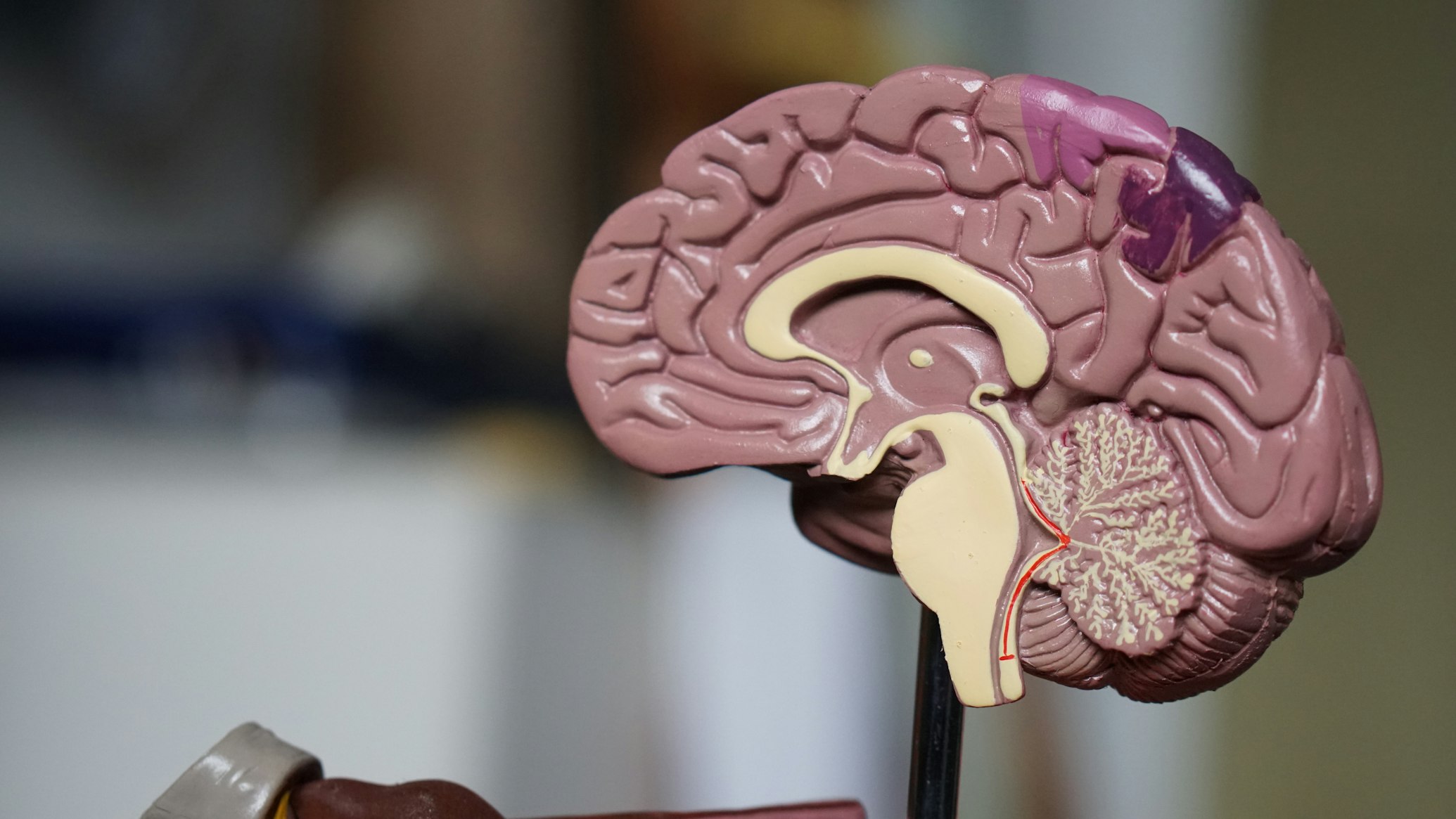
Organs-on-a-Chip
These are microdevices that aim to mimic the structure and function of human organs. A lung-on-a-chip, for instance, might use stretchable PDMS membranes lined with lung cells to simulate the mechanical act of breathing, all made possible by surface treatments that allow those cells to grow and function normally 5 .

Advanced Biomodels
PDMS is used to create precise models of blood vessels, including those with aneurysms or stenosis. Studying blood flow in these models requires a surface that interacts with blood components in a controlled way, necessitating the kinds of blood-compatible coatings developed in the featured experiment 5 .
A Flexible Future for Biological Discovery
The journey of PDMS from a simple elastomer to a highly engineered substrate for cell stretching is a powerful example of how solving a fundamental materials problem can unlock entire fields of scientific inquiry. By mastering the art of surface treatment, researchers have transformed a biologically inert rubber into a dynamic stage.
On this stage, they can now direct the intricate dance of cells under mechanical force, leading to deeper insights into human health and disease. The continued refinement of these surface treatments promises to yield even more sophisticated biological models, accelerating the development of new drugs and therapeutic strategies for a healthier future.