Research Articles

AFM vs Nanoindentation: Choosing the Right Tool for Measuring Mechanical Properties in Biomedical Research
This article provides a comprehensive guide for researchers, scientists, and drug development professionals on selecting and applying Atomic Force Microscopy (AFM) and nanoindentation for mechanical characterization.
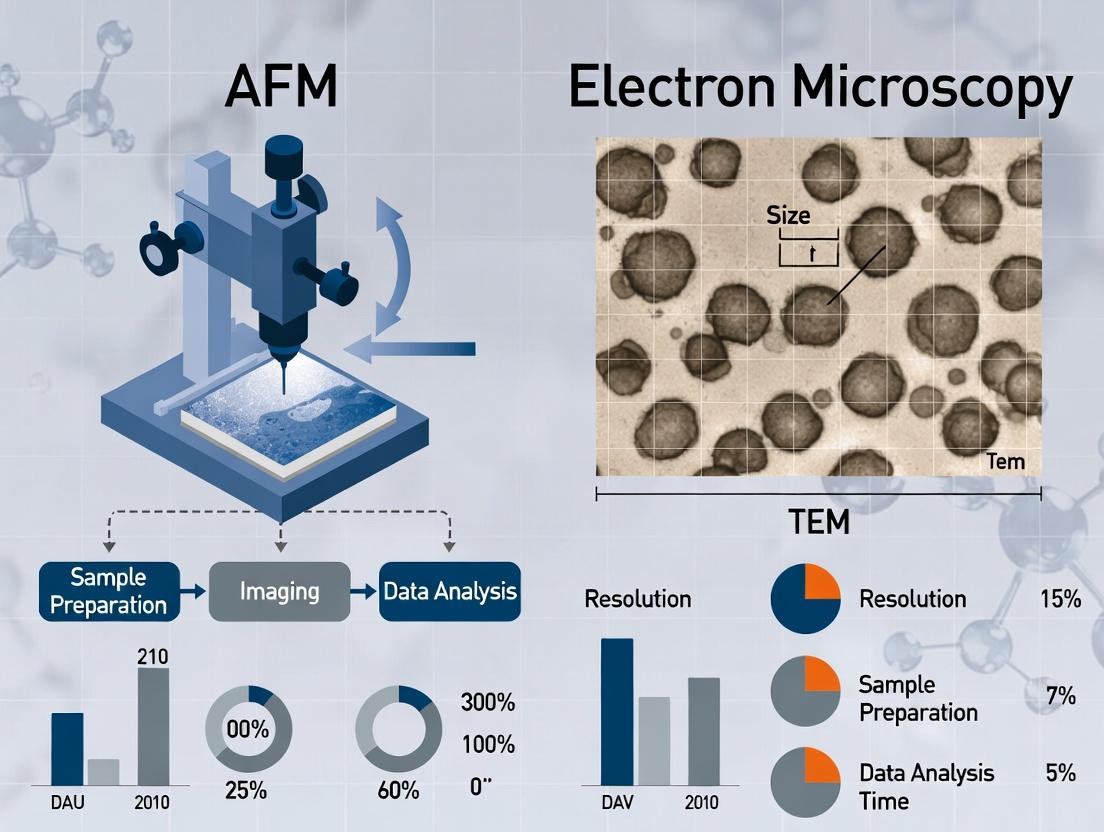
AFM vs Electron Microscopy for EVs: A Comprehensive Guide for Biomarker and Therapeutic Research
This article provides researchers and drug development professionals with a detailed comparison of Atomic Force Microscopy (AFM) and Electron Microscopy (EM) for extracellular vesicle (EV) characterization.
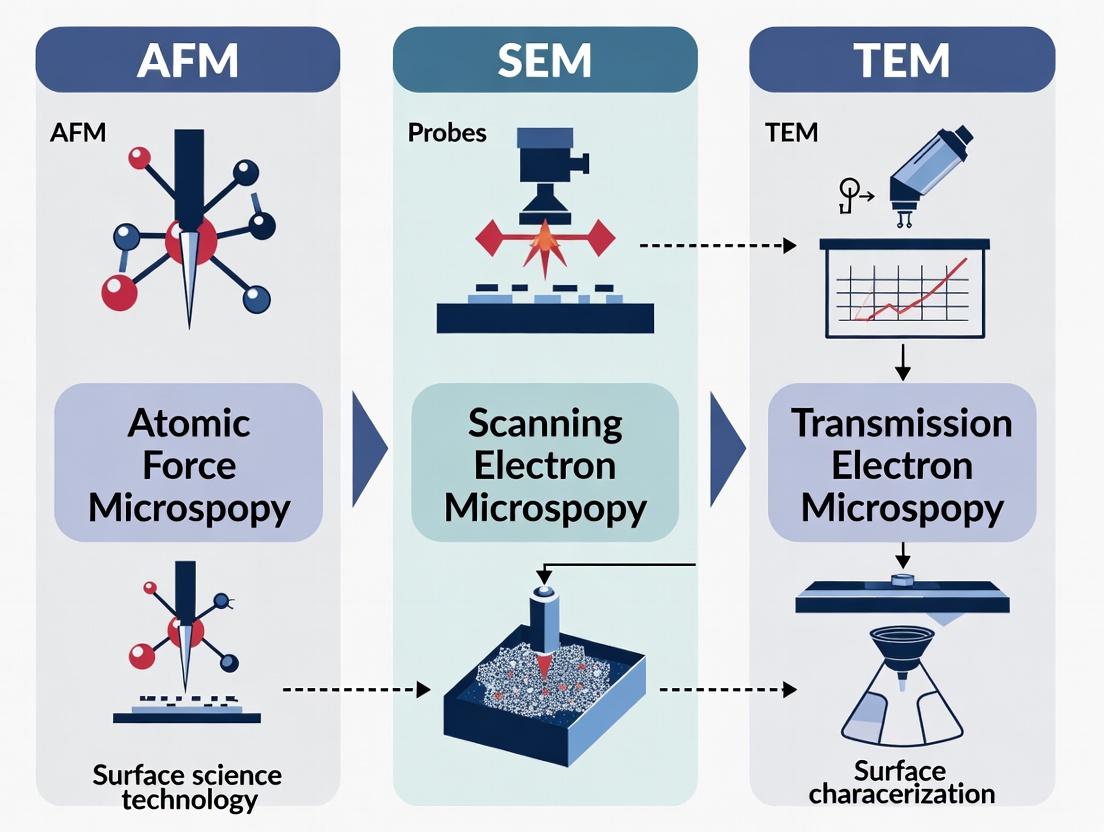
AFM vs SEM vs TEM: A Comprehensive Guide to Surface Characterization Techniques for Drug Development
This article provides a detailed comparison of Atomic Force Microscopy (AFM), Scanning Electron Microscopy (SEM), and Transmission Electron Microscopy (TEM) for surface characterization in biomedical research and drug development.
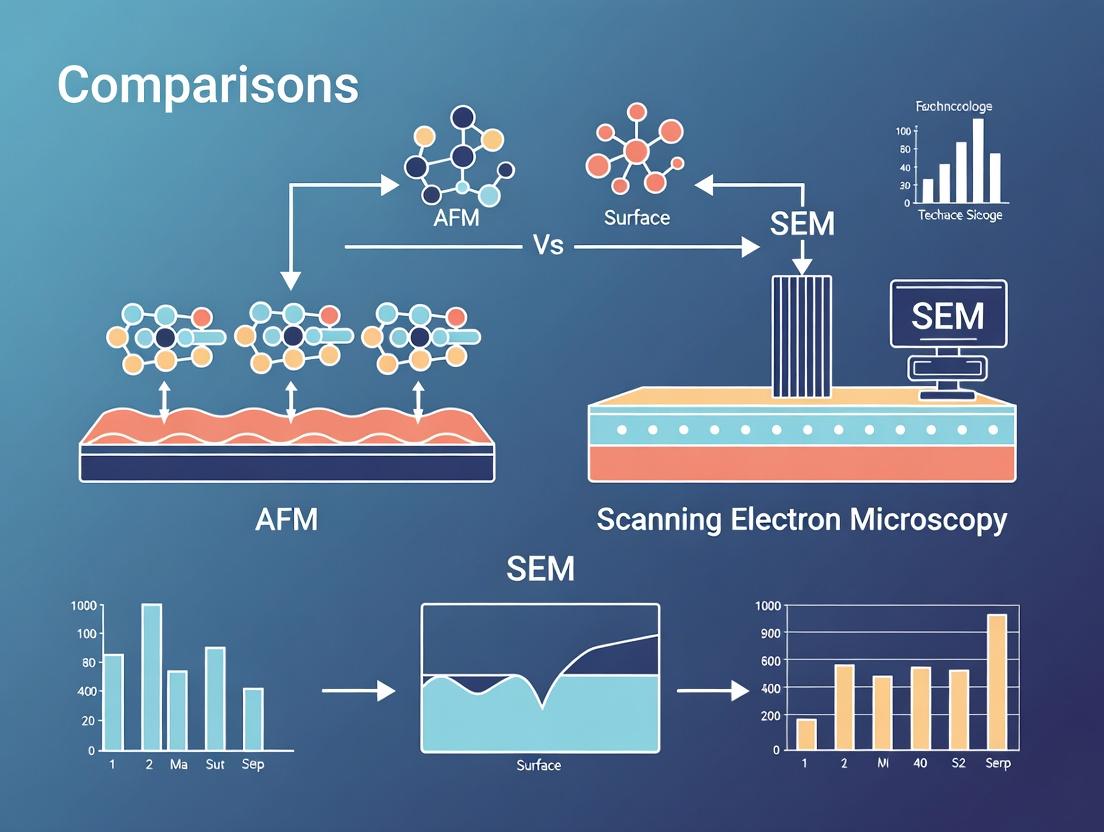
AFM vs SEM: A Comprehensive Guide to Choosing the Right Surface Characterization Tool for Biomedical Research
This article provides a detailed comparison of Atomic Force Microscopy (AFM) and Scanning Electron Microscopy (SEM) for surface characterization in biomedical and pharmaceutical research.
Nanoparticle Characterization: AFM vs DLS - A Comprehensive Guide for Researchers
This article provides a detailed comparison of Atomic Force Microscopy (AFM) and Dynamic Light Scattering (DLS) for nanoparticle characterization, addressing the needs of researchers and drug development professionals.
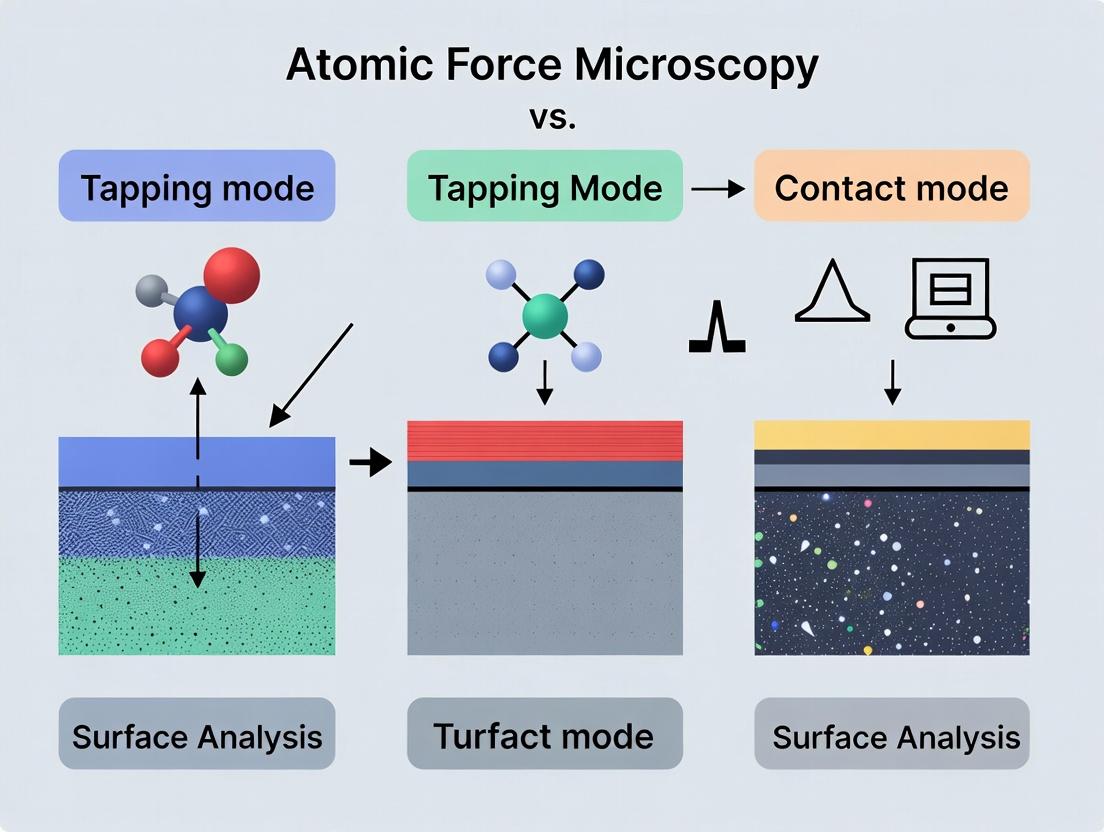
AFM Tapping Mode vs Contact Mode for High-Resolution Imaging: A Comparative Guide for Biomedical Researchers
This article provides a comprehensive comparison of Atomic Force Microscopy (AFM) Tapping (Intermittent Contact) and Contact modes for achieving high-resolution imaging in biomedical and materials science.
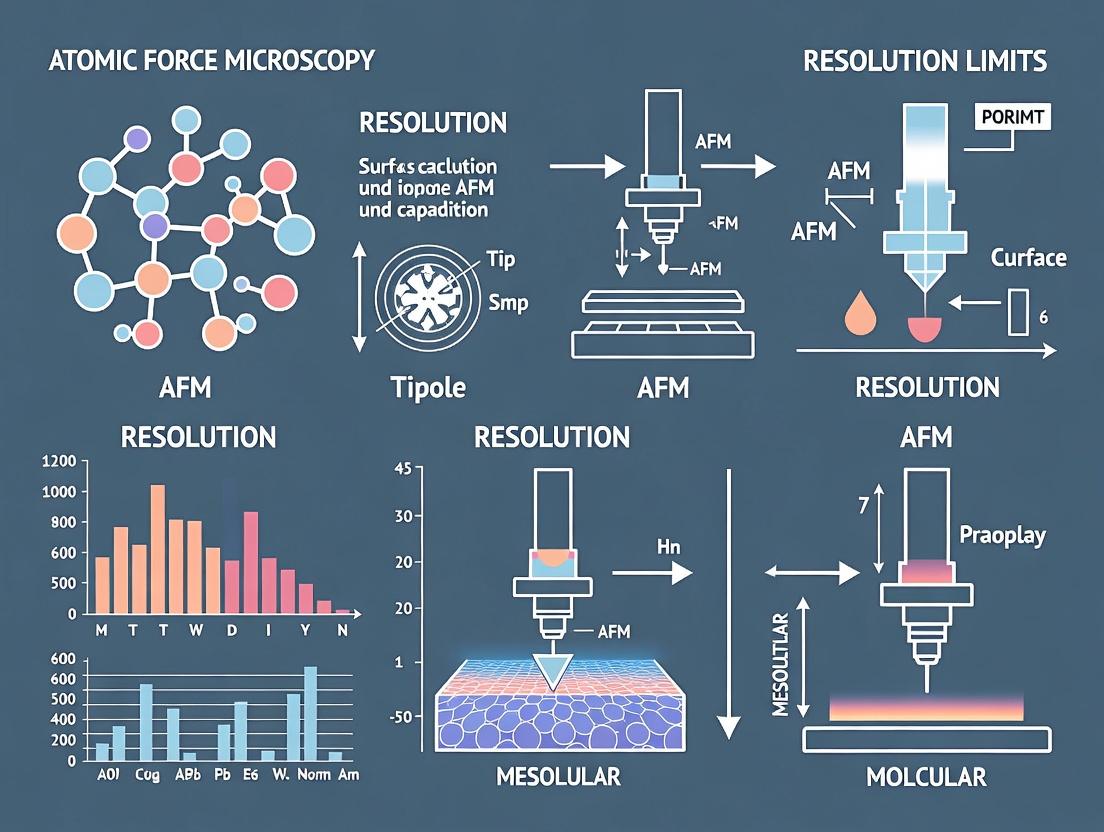
AFM Resolution Limits Decoded: From Nanoscale Imaging to Drug Discovery Applications
This comprehensive guide explains the fundamental resolution limits of Atomic Force Microscopy (AFM), distinguishing between lateral and vertical capabilities.
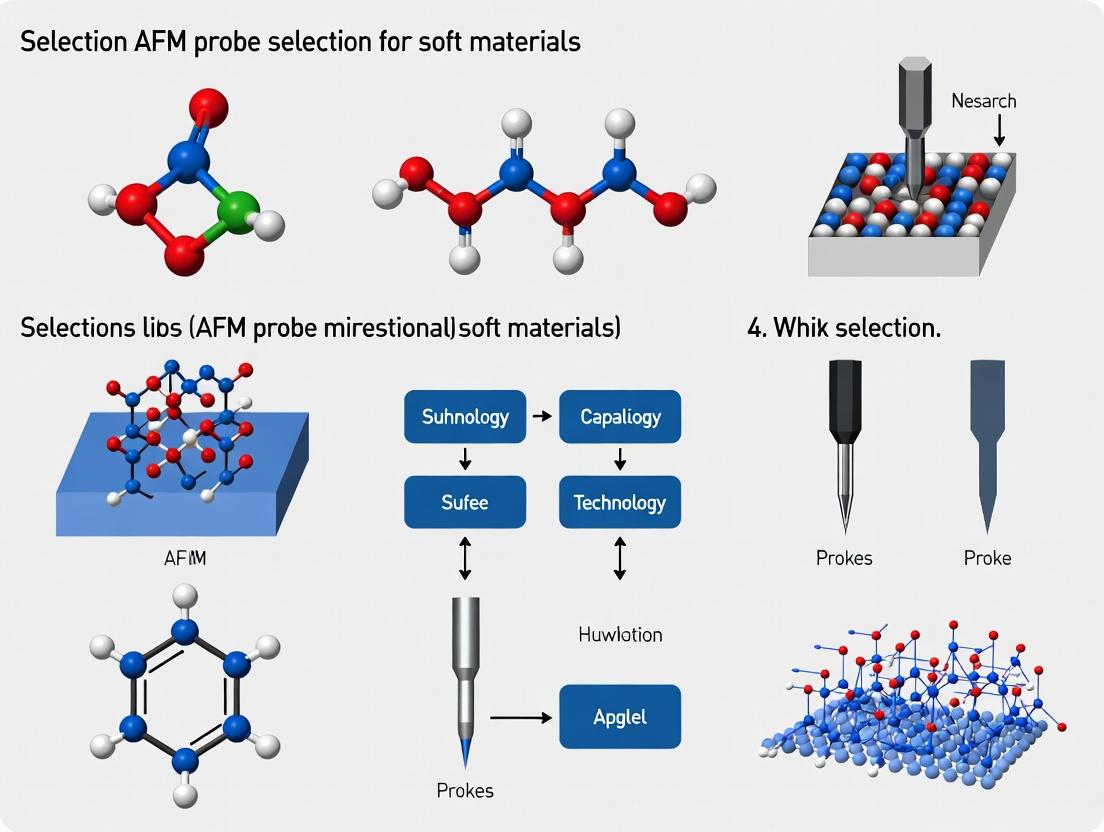
Choosing the Right AFM Probe: The Ultimate Guide for Soft Materials in Biomedical Research
This comprehensive guide addresses the critical challenge of Atomic Force Microscopy (AFM) probe selection for characterizing soft biological materials.
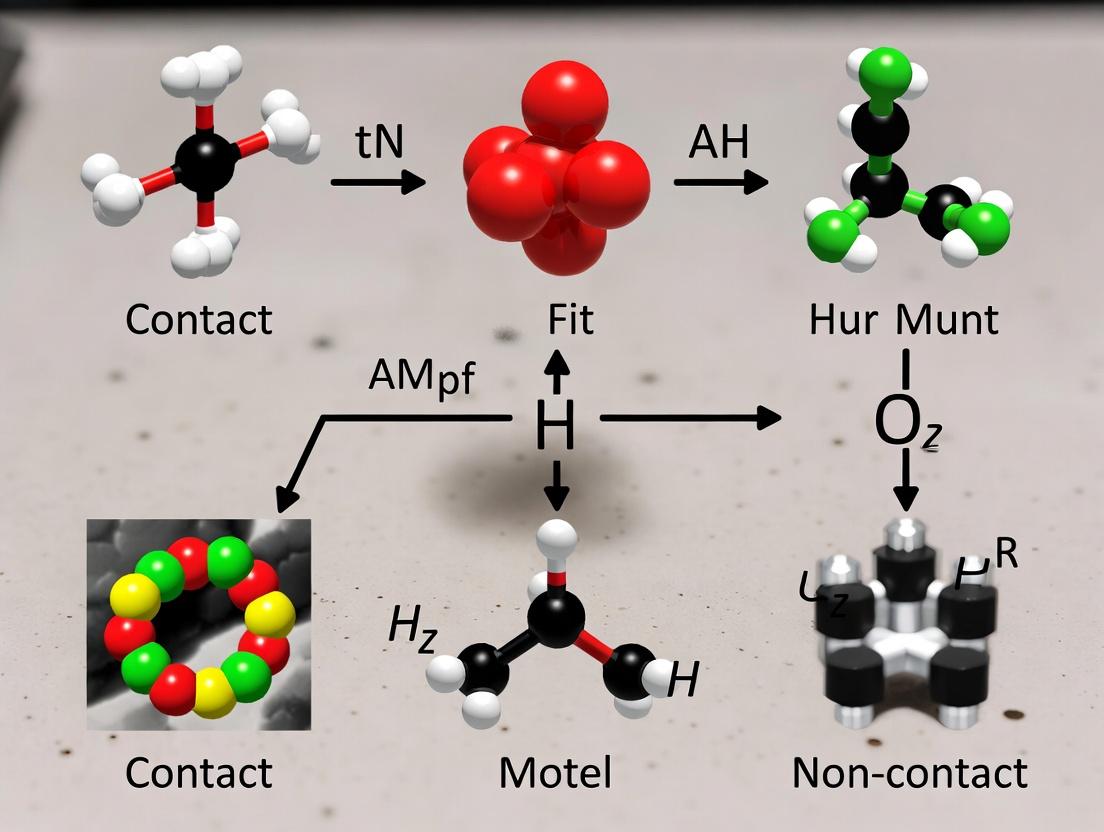
AFM Modes in Biomedical Research: A Guide to Contact, Tapping, and Non-Contact for Drug Development
This article provides a comprehensive guide to Atomic Force Microscopy (AFM) operational modes—Contact, Tapping, and Non-Contact—tailored for researchers and drug development professionals.
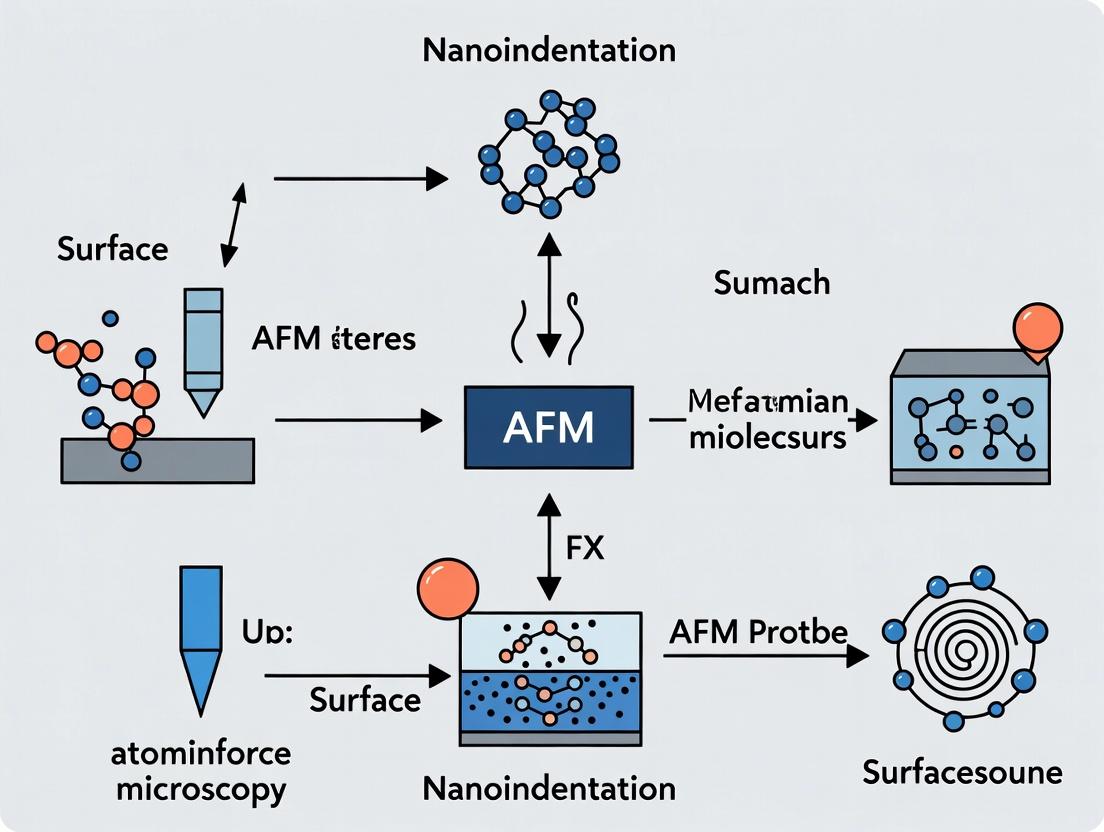
AFM Nanoindentation: A Comprehensive Guide to Measuring Mechanical Properties in Biomedical Research
This article provides a detailed exploration of Atomic Force Microscopy (AFM) nanoindentation for measuring mechanical properties, tailored for researchers, scientists, and drug development professionals.